


7 Best 304 Steel Tube Suppliers for Global Buyers
Choosing a reliable 304 Steel Tube supplier takes more than comparing prices. Buyers must check dimensions, wall thickness, surface finish, and documentation. A polished tube may look convincing under warehouse lights, yet still miss a tolerance that matters during fabrication. Small details matter.
Materials engineer Dr. Michael F. McGuire, author of Stainless Steels for Design Engineers, offers a useful principle. Paraphrased from his engineering approach: “Select a stainless steel for its service conditions, not its name alone.” That distinction matters when tubes will face moisture, cleaning chemicals, temperature changes, or repeated handling. Grade 304 is widely used for its balance of corrosion resistance, formability, and availability. It is not ideal for every environment. Buyers should confirm the application before treating a familiar grade as a safe default.
This guide compares seven 304 Steel Tube suppliers serving global buyers. It examines product range, quality controls, certifications, export experience, and communication. Ask suppliers for recent test reports and clear packing details. Check whether they can maintain consistent specifications across repeat orders. A prompt reply helps, but it does not prove dependable production. Sometimes the missing detail is the one that causes a delay. Supplier claims deserve verification, and this overview is a starting point—not a substitute for technical review.
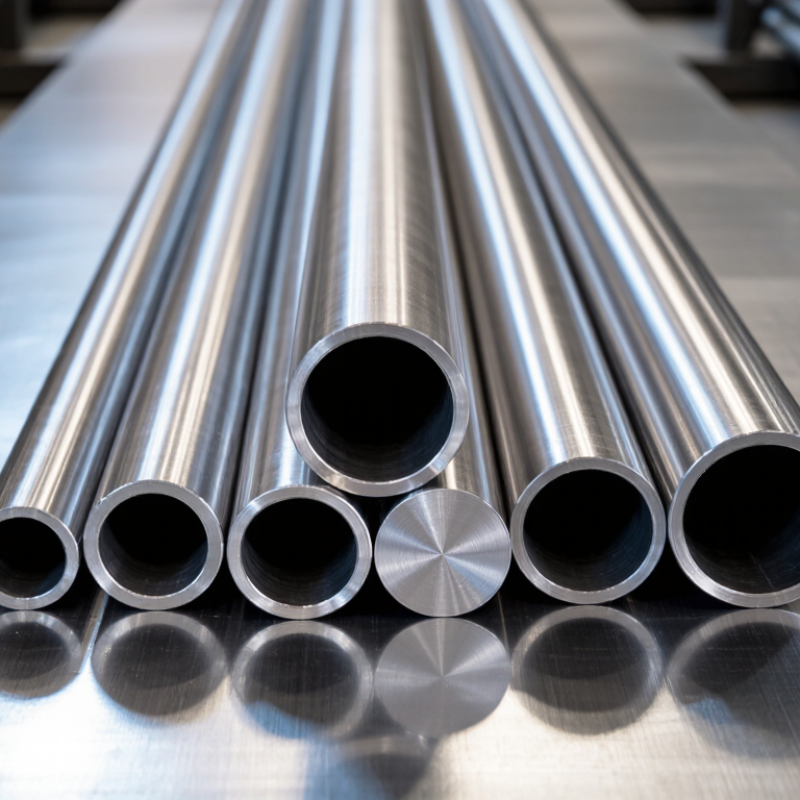
What Defines 304 Stainless Steel Tubes and Their Common Uses
304 stainless steel tube is an austenitic alloy valued for its balance of corrosion resistance, formability, and weldability. It commonly contains chromium and nickel, which help it resist oxidation in many indoor and outdoor environments. The exact composition and performance depend on the product specification, so buyers should check the applicable standard and material certificate. In practical terms, 304 is often easy to fabricate into straight runs, bends, and welded assemblies. That matters.
A common mistake is treating “stainless” as rust-proof. It is not. Salt spray, persistent moisture, and chloride-bearing cleaners can cause staining or pitting, especially on rough or poorly cleaned surfaces. For marine exposure or frequent contact with chlorides, another grade may be more suitable; confirm this with a qualified materials specialist.
Typical uses include food-processing lines, kitchen equipment, architectural railings, water piping, and selected heat-exchanger components. A smooth tube interior can support cleaning, while a brushed exterior may suit visible installations. Welded tube is often chosen for general fabrication, whereas seamless tube may be specified for certain pressure or process conditions. The right choice depends on pressure, temperature, fluid chemistry, tube dimensions, and surface finish—not simply the grade name. A small detail, such as a weld seam or cleaning method, can change service life.
| No. | Supplier Profile | Typical 304 Tube Offering | Relevant Material Facts | Common Applications | What Global Buyers Should Verify |
|---|---|---|---|---|---|
| 1 | Integrated stainless steel tube mill | Welded or seamless tubes in a range of sizes, wall thicknesses, and finishes. | Type 304 is an austenitic stainless steel; its corrosion resistance is associated with chromium and nickel in the alloy. | Food-processing equipment, architectural components, and general industrial piping. | Confirm the applicable product standard, material test documentation, dimensions, and whether the product is welded or seamless. |
| 2 | Precision tubing manufacturer | Small-diameter or close-tolerance tubing, often supplied to specified dimensions. | Dimensional tolerances and surface condition depend on the product specification and manufacturing process. | Instrumentation, equipment assemblies, and precision mechanical components. | Check the tolerance schedule, measurement method, surface requirements, and inspection records. |
| 3 | Sanitary tubing producer | Tube intended for hygienic equipment, with specified internal and external finishes available by order. | Alloy grade alone does not establish hygienic suitability; finish, fabrication, cleaning, and design also matter. | Food, beverage, and selected pharmaceutical process equipment. | Specify the required finish and dimensional standard, and verify weld quality, cleanability, and project-specific hygienic requirements. |
| 4 | Custom tube fabricator | Cut lengths, formed sections, bent tubes, or assemblies made to drawing. | Forming and welding can affect the finished component; fabrication procedures should suit the intended service. | Machinery, frames, furniture, and made-to-order equipment. | Review drawings, fabrication tolerances, weld requirements, finishing, and packaging before production. |
| 5 | Stockholding service-center supplier | Standard tube sizes held in inventory, with cutting or distribution services sometimes available. | Available sizes, finishes, and documentation vary by inventory and source; confirm the specific lot being supplied. | Maintenance, repair, and projects requiring shorter delivery lead times. | Confirm stock status, country of origin if relevant, traceability, minimum order quantity, and delivery schedule. |
| 6 | Export-focused tube supplier | Products prepared for international orders, commonly with export packing and shipment coordination. | Trade terms and import requirements do not replace technical verification of grade, dimensions, or product standard. | Cross-border industrial projects and overseas distribution. | Agree on Incoterms, export documents, packing, inspection arrangements, and responsibility for import compliance. |
| 7 | Project-qualified tube supplier | Tube supplied against project specifications, inspection plans, or approved submittals. | Type 304 is not suitable for every environment; chloride exposure and other service conditions can affect material selection. | Building services, industrial installations, and engineered equipment projects. | Have the project engineer confirm material suitability, governing codes, required certificates, testing, and acceptance criteria. |
Related Posts
-
How to Choose 304 Steel Tubes in 2026?
-
China Top 10 304 Steel Tube Suppliers for Global Buyers
-
How to Choose Stainless Steel 304 Piping for Your Project?
-
2026 How to Choose Astm A269 304 Capillary Pipe for Your Needs?
-
What Is 304 Seamless Steel Tube Used For?
-
Why Choose 304 Steel Tube for Your Next Project?
-

Phone
-

E-mail
-

Whatsapp
-

WeChat
WeChat
13295445693
-

Top