Why Choose Stainless Steel 304 Piping for Your Next Project?
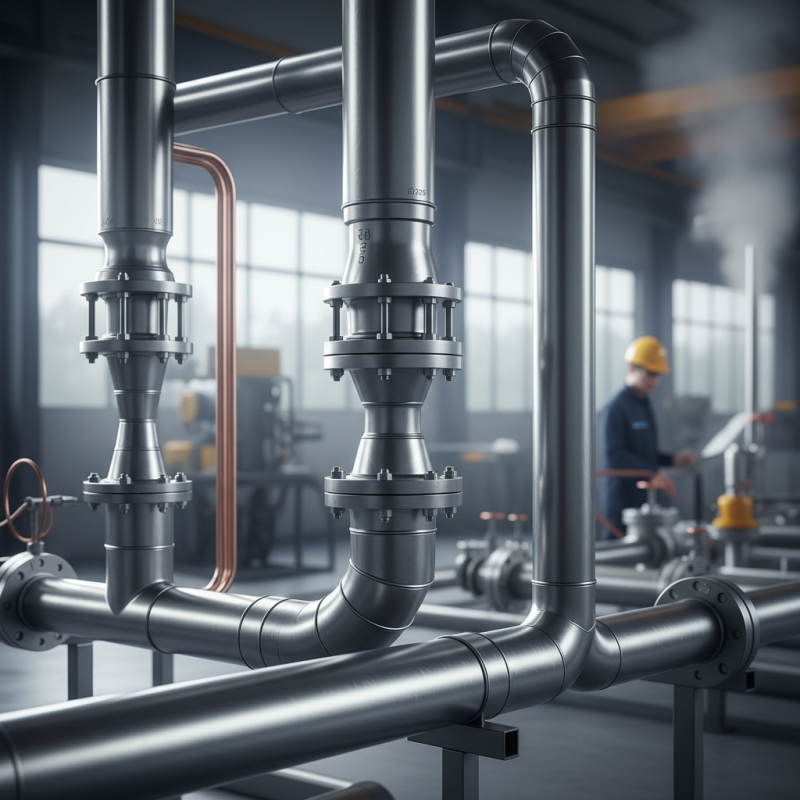
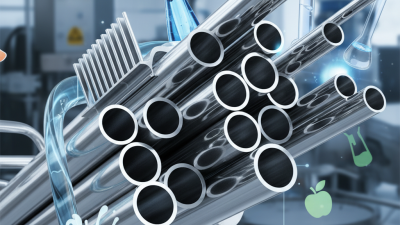
In the world of construction and manufacturing, choosing the right materials is crucial. One option that stands out is Stainless Steel 304 Piping. This material is renowned for its durability and resistance to corrosion. Industries widely use it for various applications, including plumbing and food processing.
Stainless Steel 304 Piping offers a blend of strength and flexibility. Its ability to withstand extreme temperatures makes it suitable for diverse environments. While it may come at a higher initial cost, the longevity of this piping can lead to significant savings over time.
Many professionals have experienced issues with other materials, leading to costly repairs. While Stainless Steel 304 has its advantages, it's essential to consider specific project requirements. This material may not be suitable for all applications. Careful evaluation of each project is necessary to ensure optimal outcomes.
Advantages of Stainless Steel 304 in Piping Applications
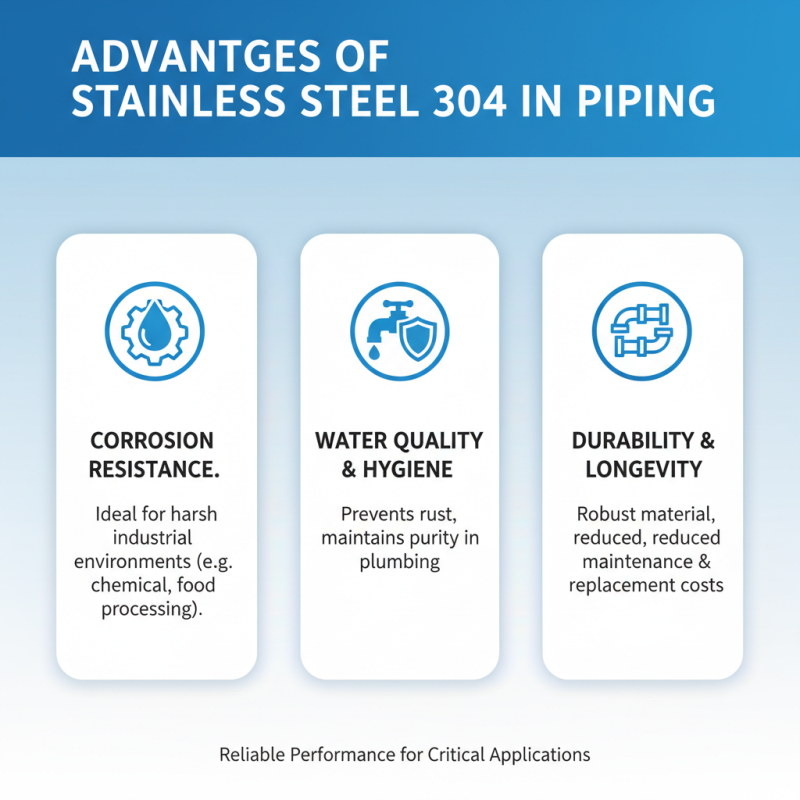
Stainless Steel 304 piping stands out for various applications in industries like food processing and petrochemicals. This material offers excellent corrosion resistance, which is vital for systems exposed to harsh environments. In plumbing applications, it prevents rust and maintains water quality, a critical aspect for public health.
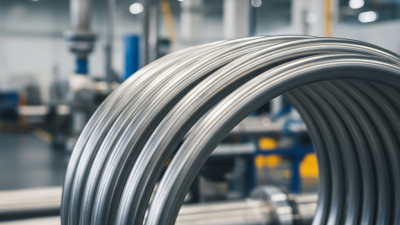
Another advantage is its strength. Stainless Steel 304 can withstand high pressure and temperature fluctuations. This durability reduces the frequency of replacements and repairs, ultimately saving costs and time. However, while 304 is versatile, it's worth noting it may not be suitable for all environments, especially those involving high chloride levels.
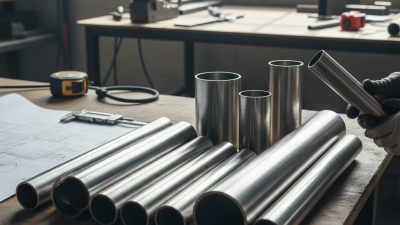
Ease of fabrication is another benefit. Stainless Steel 304 can be easily welded and formed into various shapes. This flexibility allows for innovative piping solutions. Yet, inexperienced handling may lead to imperfections in the final product. Investing in skilled labor is crucial for maximizing the benefits of Stainless Steel 304.
Common Applications of Stainless Steel 304 Piping
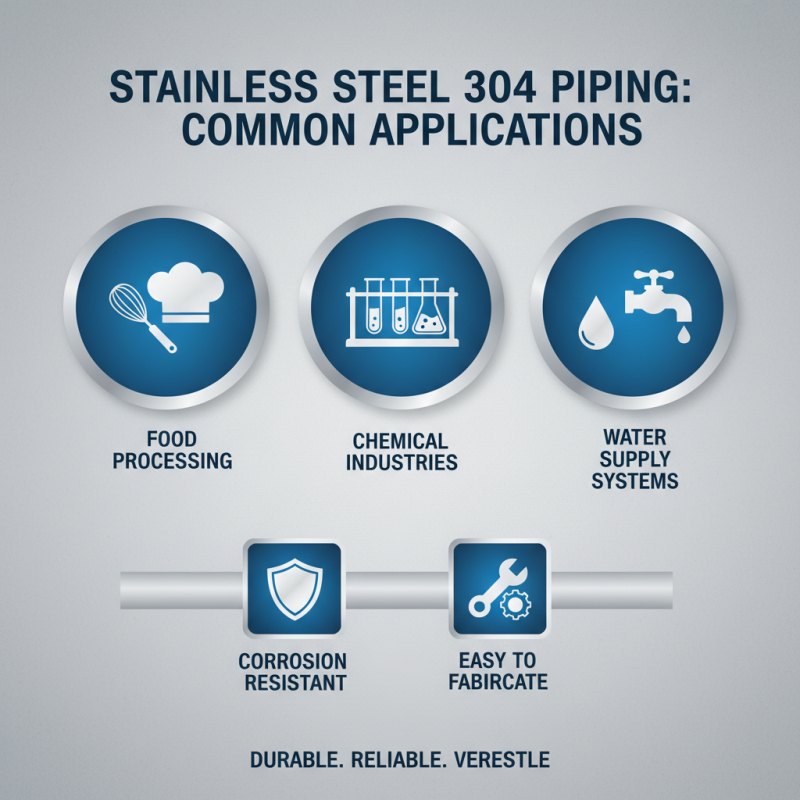
When considering materials for piping, stainless steel 304 stands out as a versatile choice. Its durability makes it ideal for various applications. Common uses include food processing, chemical industries, and water supply systems. Stainless steel 304 is resistant to corrosion and easy to fabricate, which enhances its reliability.
In the food and beverage industry, stainless steel 304 ensures hygiene and safety. Its smooth surface prevents bacteria growth, making it a preferred choice for pipelines and storage tanks. Many facilities appreciate this material for its ability to maintain high temperatures while withstanding frequent cleaning.
**Tip:** Always assess your project’s specific needs. Consider the environment in which the piping will be used. This analysis can prevent costly mistakes later.
In chemical processing, stainless steel 304 resists many corrosive substances. However, it may not withstand all chemicals, so research is essential. A thorough understanding of the chemicals involved can save time and resources.
**Tip:** Consult with professionals when selecting piping materials. Their expertise can guide you in making informed decisions, ensuring lasting outcomes.
Corrosion Resistance and Durability of Stainless Steel 304
Stainless Steel 304 piping stands out for its remarkable corrosion resistance and durability. This material excels in environments exposed to moisture and chemicals. Its chromium-nickel composition gives it a unique resistance to rust and oxidation. Projects in food processing, pharmaceuticals, and marine applications benefit greatly from these properties.
When choosing Stainless Steel 304, consider the project’s specific conditions. For example, environments with high chlorides may challenge durability. Regular maintenance can prolong the life of your piping. Inspect your systems periodically to catch potential issues early.
Remember, the installation process also requires attention. Improper fittings can lead to leaks, compromising integrity. Always ensure that joints are correctly aligned and secured. Selecting the right material is crucial, but so is how it's installed. Investing time in both areas yields better long-term results.
Corrosion Resistance and Durability of Stainless Steel 304
Comparison with Other Materials Used in Piping
When it comes to choosing piping materials, Stainless Steel 304 stands out for many reasons. It provides excellent corrosion resistance, making it ideal for various environments. Unlike carbon steel, which can rust easily, 304 offers a more durable option for long-term projects. This alloy is particularly suitable for industries facing moisture and chemicals.
However, it's essential to weigh the pros and cons of Stainless Steel 304 against alternatives like PVC and copper. PVC is lightweight and corrosion-resistant, but it cannot handle high temperatures well. Copper is more robust but prone to corrosion over time, especially in certain water conditions.
This comparison reveals that while 304’s initial cost may be higher, it often provides better longevity and fewer maintenance issues.
Not every project requires the durability of Stainless Steel 304. Some applications might benefit from lower-cost materials. Assessing specific project conditions is crucial for making the best choice. This requires a careful analysis of your needs. Flexibility and awareness of your requirements are key. Balancing budget, application, and material capabilities is no simple task.
Maintenance and Care for Stainless Steel 304 Pipes
Stainless steel 304 pipes are known for their durability and corrosion resistance. However, ensuring their longevity requires proper maintenance and care. Regular inspections are crucial. Look for any signs of wear or damage. Small issues can escalate if not addressed timely.
Cleaning is essential for stainless steel pipes. You can use warm, soapy water and a soft cloth to remove dirt and grime. Avoid abrasive cleaners or scrubbers. They can scratch the surface, compromising its protective layer. If staining occurs, a mixture of vinegar and water can be effective. Always rinse with clean water afterward.
Sometimes, even with care, pits or discoloration might appear. This can be frustrating. Identifying the source of these problems helps in prevention. Regularly check for leaks in joints. Keeping an eye on the installation area is also wise. If you find persistent issues, it might be necessary to consult a professional for deeper analysis.