2026 How to Choose Astm A269 304 Capillary Pipe for Your Needs?
When selecting the right tubing for your applications, the choice of materials is crucial. The Astm A269 304 Capillary Pipe stands out due to its versatility and durability. This type of stainless steel tubing is known for its excellent corrosion resistance and high strength. Understanding its specifications will help you make more informed decisions.
Choosing the Astm A269 304 Capillary Pipe is not just about technical details. You must consider the specific needs of your project. Will the pipe endure high temperatures or exposure to harsh chemicals? Addressing these concerns ensures the longevity of your installation.
However, not all applications require the same type of pipe. Sometimes, users overlook the environmental factors that could affect performance. Reflection on these factors is key. By carefully assessing your requirements, you can take full advantage of the qualities offered by the Astm A269 304 Capillary Pipe. Making an educated choice will enhance your project’s reliability and efficiency.
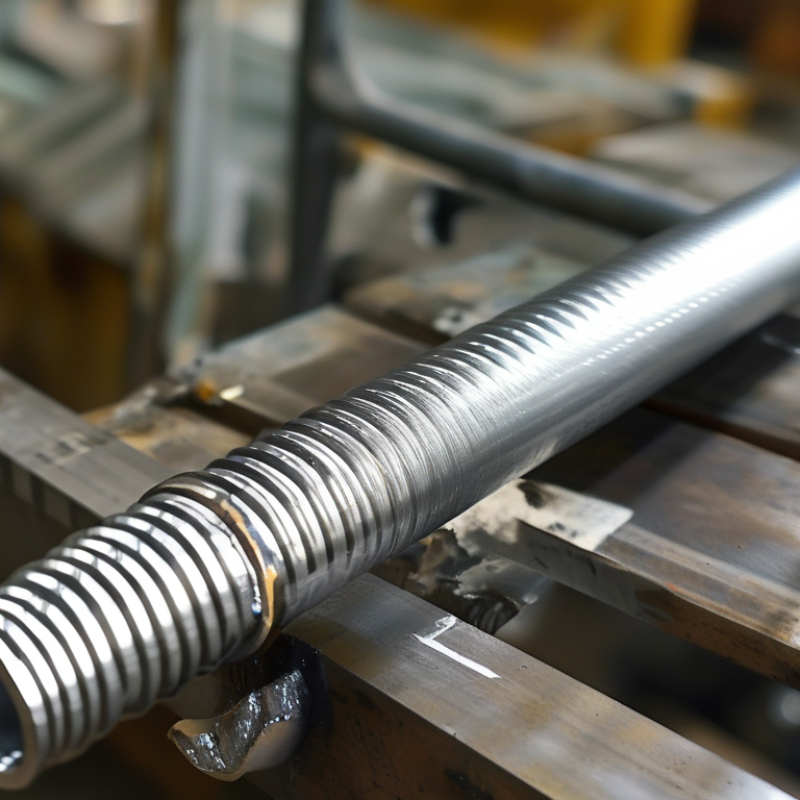
Understanding ASTM A269 304 Capillary Pipes and Their Applications
ASTM A269 304 capillary pipes are widely used in various industries. They are known for their excellent corrosion resistance and formability. These pipes are typically made from stainless steel. This material is ideal for environments exposed to moisture and various chemicals.
In applications like medical devices, food processing, and chemical delivery, these pipes play a crucial role. Their small diameter allows for precision in fluid transport. Choosing the right pipe size is vital. A pipe that is too small may restrict flow, while one that is too large could lead to inefficiencies.
Consider the environment where the pipes will be used. High temperatures or corrosive substances can impact pipe performance. Regular inspections are recommended. Look for any signs of wear or damage, as this can affect reliability. Understanding these factors will aid in making the best choice for your application.
Key Factors to Consider When Choosing Capillary Pipe Specifications
When choosing ASTM A269 304 capillary pipe, understanding specifications is critical. These pipes are widely used in various industrial applications, especially in fluid control systems. Manufacturers emphasize that pipe dimensions, wall thickness, and finish play important roles in overall performance.
The diameter of the capillary pipe greatly affects its flow capacity. A pipe with a smaller diameter may reduce flow but is suitable for precise applications. On the other hand, larger diameters can handle greater volumes. The wall thickness impacts the pipe's strength and durability; thinner pipes may fail under high pressure. According to industry studies, the right specifications can enhance efficiency by up to 20%.
Surface finish is another vital consideration. A smoother interior surface provides better flow characteristics and reduces the risk of corrosion. Reports show that capillary pipes with a polished finish can improve resistance to build-up of deposits, which is essential in sensitive systems, such as those used in pharmaceuticals. Reflecting on these choices ensures the right fit for your specific needs.
Comparing ASTM A269 304 with Other Materials for Optimization
When considering ASTM A269 304 capillary pipes, it's crucial to understand its advantages over other materials. Known for its corrosion resistance, this stainless steel alloy excels in harsh environments. Compared to carbon steel, it maintains integrity under high temperatures and corrosive agents. However, cost can be a factor. It's typically more expensive than carbon options.
Another notable material is PVC. While PVC is lightweight and inexpensive, it lacks the durability of ASTM A269 304. Over time, PVC may degrade in UV light, and cannot withstand high temperatures. Steel's longevity often outweighs its initial price tag, making it a sensible choice for long-term projects.
Tips: Always assess the environmental conditions. If the application involves acids or chlorides, ASTM A269 304 is advisable. However, in low-stress settings, PVC might suffice. Be sure to evaluate your specific needs without bias toward cost alone. Consider potential maintenance too. A cheaper material may lead to higher long-term expenses due to replacements or repairs.
2026 How to Choose ASTM A269 304 Capillary Pipe for Your Needs?
| Material |
Tensile Strength (MPa) |
Corrosion Resistance |
Applications |
Cost (per meter) |
| ASTM A269 304 |
520 |
Excellent |
Medical, Food Processing |
$15 |
| ASTM A213 316 |
580 |
Superior |
Marine, Chemical Processing |
$20 |
| Carbon Steel |
450 |
Moderate |
Construction, Oil & Gas |
$10 |
| Copper |
210 |
Good |
Electrical, Plumbing |
$25 |
Evaluating Size, Length, and Thickness of Capillary Pipes for Your Needs
When selecting ASTM A269 304 capillary pipes, evaluating size, length, and thickness is critical. The inner diameter often impacts fluid flow. For example, a smaller diameter may create higher pressure drops, affecting system efficiency. Industry standards suggest that an inner diameter ranging from 1/8 inch to 1 inch is typically sufficient for various applications.
The length of the capillary pipe also matters. Longer pipes can introduce resistance, which is measured in terms of pressure loss. According to a 2022 report by the American Society for Testing and Materials, exceeding certain lengths can lead to significant losses in fluid dynamics. A length over 10 feet could translate to a pressure drop of 20% or more in some scenarios. This is a critical factor to evaluate based on the specific needs of your system.
Thickness plays a vital role in durability and strength. Typical wall thicknesses range from 0.015 inches to 0.035 inches for capillary pipes. However, thinner walls may be more susceptible to corrosion and wear over time. It is essential to balance weight, strength, and corrosion resistance based on the environment where the pipes will operate. Reflecting on these aspects helps ensure that the capillary pipes chosen will meet performance requirements reliably.
Capillary Pipe Size, Length, and Thickness Evaluation
Best Practices for Sourcing and Purchasing ASTM A269 304 Capillary Pipes
When sourcing ASTM A269 304 capillary pipes, attention to detail is crucial. Start by understanding the specifications. ASTM A269 304 pipes are known for their excellent corrosion resistance and versatility. They are often used in critical applications like instrumentation and heat exchangers.
Engage with reliable suppliers. Verify their credentials and industry experience. Look for certifications that attest to the quality of their products. Quality assurance practices can reveal much about a supplier. Request samples to assess both the material properties and manufacturing processes. This step can prevent future issues in your projects.
Budget considerations matter too. Compare prices across different suppliers. However, be wary of unusually low prices. They may indicate subpar quality. Establish a checklist of required standards and conduct thorough evaluations. This can help you avoid sourcing mistakes that could lead to costly delays or project failures.