China Top 10 304 Steel Tube Suppliers for Global Buyers

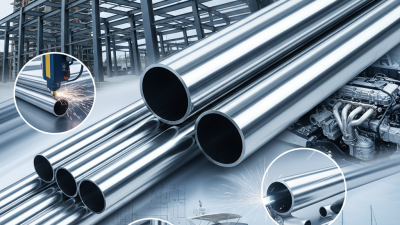
Choosing a reliable 304 Steel Tube supplier in China requires more than comparing prices. Global buyers need consistent chemistry, accurate dimensions, stable production, and clear export documentation. This guide introduces ten suppliers that may serve different purchasing needs, from standard sanitary tubing to welded industrial pipe and custom-cut lengths.

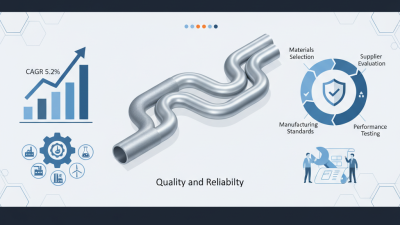
The selection focuses on practical evidence. We consider manufacturing capacity, quality control, export experience, and product range. Mill test certificates, PMI testing, surface finish, and dimensional inspection deserve close attention. A polished tube may look excellent, yet its wall thickness can still vary. Details matter.

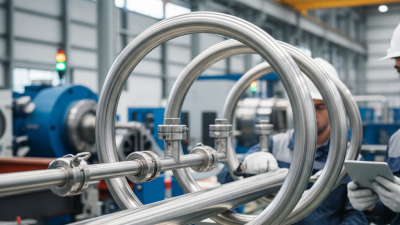
Applications include food processing lines, architectural structures, heat exchangers, and chemical equipment. Buyers should confirm whether the supplier supports ASTM, ASME, EN, or other required standards. Packaging also deserves inspection. Protective caps, moisture-resistant wrapping, and strong wooden cases can prevent damage during ocean transport.

Communication is another useful test. Can the supplier explain tolerances clearly? Can it provide recent inspection records? Can it respond when specifications change? These answers often reveal more than a catalog.

No list is permanent.

Supplier rankings can shift with capacity, certifications, lead times, and customer feedback. Therefore, this article should support—not replace—your own due diligence. Request samples, verify certificates, and clarify payment and warranty terms before placing a large order. The strongest supplier is not always the cheapest. It is the one that delivers consistent 304 Steel Tube quality, honest communication, and dependable after-sales support. Mistakes can still happen, so careful verification remains essential.
China Top 10 304 Steel Tube Suppliers for Global Buyers

What Is 304 Stainless Steel Tube?

China Top 10 304 Steel Tube Suppliers for Global Buyers

What Is 304 Stainless Steel Tube?

304 stainless steel tube is an austenitic tube made mainly from iron, chromium, and nickel. It usually contains about 18% chromium and 8% nickel. This structure gives it strong corrosion resistance and good formability. It also performs well in food equipment, water systems, heat exchangers, and architectural applications. It is not completely rust-proof. Salt, chemicals, poor cleaning, and trapped moisture can still cause surface staining.

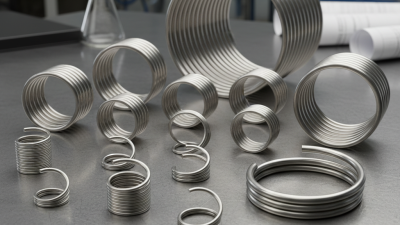
The tube may be seamless or welded. Seamless tubes suit demanding pressure applications, while welded tubes often offer better cost control. Buyers should check outer diameter, wall thickness, length, surface finish, and dimensional tolerance. Common finishes include polished, brushed, and mill finish. During supplier evaluation, request material certificates, chemical analysis, inspection records, and sample measurements. A low price can hide inconsistent thickness or weak surface treatment. That risk deserves attention.

Tips: Match the tube grade to the working environment, not only the project name. For coastal or chloride-rich conditions, 304 may need extra evaluation. Confirm the applicable standard before ordering. Inspect weld lines, packaging, and end protection when samples arrive. Small details matter. A careful supplier should explain testing methods clearly and admit product limitations. That honesty is often more valuable than impressive claims.

How to Evaluate China’s 304 Steel Tube Suppliers

How to Evaluate China’s 304 Steel Tube Suppliers

China’s scale makes supplier selection demanding. The World Stainless Association reported about 58.4 million tonnes of global stainless steel production in 2023. China contributed approximately 36.7 million tonnes. Large output does not guarantee consistent 304 tube quality. Buyers should examine melting records, production capacity, export experience, and product traceability.

Request chemical analysis for chromium, nickel, carbon, and molybdenum. Standard 304 steel should not be confused with 316. Check dimensions, surface finish, ovality, wall thickness, and weld integrity. For industrial tubing, compare compliance with ASTM A269, ASTM A312, EN 10217, or the required project standard. Independent PMI testing can verify alloy composition before shipment. It is a small cost.

Ask for EN 10204 3.1 inspection certificates, heat numbers, hydrostatic results, and mechanical test data. Audit the factory, if possible. Walk through the warehouse and inspect protective packaging. Tubes stacked on wet floors may develop hidden surface damage. ISO 9001 certification helps assess process control, but ISO’s 2023 Survey shows certification remains only a management-system indicator, not a product guarantee.

A practical evaluation should score sample quality, response time, corrective actions, and delivery history. Request samples from different heats. One perfect sample proves little. I would also compare rejected-batch procedures and third-party inspection access. This step can expose weaknesses that sales documents carefully avoid.

China’s Top 10 304 Steel Tube Suppliers

China’s Top 10 304 Steel Tube Suppliers

China remains a major source of 304 stainless steel tubes for global buyers. According to the International Stainless Steel Forum’s 2023 statistics, global stainless steel crude production reached about 58.4 million tonnes. China produced roughly three-fifths of that volume. This scale supports competitive pricing, broad capacity, and flexible export services.

However, capacity alone does not prove supplier reliability. Experienced buyers should examine mill certificates, heat numbers, PMI records, and dimensional inspection reports. ASTM A312 compliance matters for many process applications. EN 10217 or EN 10312 may suit other projects. Confirm the correct standard before comparing quotations. A strong supplier should also explain 304 and 304L differences clearly, especially around welding and corrosion exposure. Even careful buyers sometimes compare prices before confirming wall tolerance. That approach can create expensive problems.

Tips: Request a sample inspection before large orders. Check surface finish under direct light. Verify outer diameter, wall thickness, length, and packaging details. Ask for recent third-party test evidence, not only a sales brochure. The World Steel Association and ISSF publish useful production and market references, but supplier-level checks remain essential. A top-ten list can narrow the search, yet it cannot replace factory audits. Some rankings also favor visibility over technical consistency. That weakness deserves attention.

Supplier Comparison: Products, Standards, Capacity, and Markets

China’s 304 steel tube suppliers differ in product range, production control, and export experience. Buyers should compare welded and seamless tubes separately, because their applications and price structures are not identical. Common products include sanitary tubes, heat exchanger tubes, boiler tubes, and precision tubes. Surface options may include polished, pickled, annealed, or mechanically finished surfaces.

Standards reveal more than a certificate logo. Check whether the supplier can consistently meet ASTM A312, ASTM A213, EN 10217, or relevant GB/T requirements. Review chemical composition, tensile strength, hardness, dimensional tolerance, and hydrostatic testing records. Ask for recent mill certificates and independent inspection reports. Small details matter. A polished tube may look excellent but still fail tolerance checks. Welding quality also deserves attention, especially around the seam and end preparation.

Capacity comparisons require caution. Some factories publish large annual figures, yet available capacity may depend on tube size, wall thickness, and production schedules. Ask for monthly output by product category, not only total tonnage. Export markets also show useful experience. A supplier serving food equipment buyers may understand hygiene requirements, while an industrial exporter may handle pressure-service documentation better. Packaging should match the route, with capped ends, moisture protection, and clear bundle labels. I would not rely on a single quotation. Pricing can change with nickel costs, inspection scope, and delivery terms, while published information may become outdated.

How Global Buyers Can Choose and Purchase the Right Supplier

Choosing among China’s top 10 304 steel tube suppliers requires more than comparing quotations. The International Stainless Steel Forum reported global stainless steel production at roughly 58 million tonnes in 2023, with China contributing about 36.7 million tonnes. This scale creates choice, but also uneven quality. Buyers should verify the mill’s production route, tube-forming equipment, heat-treatment records, and export experience before requesting samples.

Ask each supplier for recent material certificates, chemical analysis, mechanical results, and surface inspection records. For pressure or process applications, specify the required standard, such as ASTM A312 or ASTM A269, and request EN 10204 3.1 documentation where applicable.

A certificate alone is not enough. Independent testing can confirm chromium, nickel, tensile strength, wall thickness, and corrosion resistance. Small differences matter.

Purchase terms deserve equal attention. Confirm tolerances, tube length, packaging, marking, inspection points, delivery schedule, and responsibility for rejected goods. The World Steel Association recorded China’s crude steel output at approximately 1.02 billion tonnes in 2023, showing the depth of its supply base, not guaranteed consistency. I have seen buyers focus too heavily on price and overlook weld quality or internal cleanliness.

That mistake is expensive. Start with a trial order, use third-party inspection, and compare actual results against the approved sample. Perfect documentation is rare. A careful buyer still checks.