Why Choose 304 Steel Tube for Your Next Project?
When selecting materials for construction, the choice of steel is critical. The 304 Steel Tube stands out due to its impressive properties. This stainless steel is highly resistant to corrosion, making it ideal for various applications. According to a report by the International Stainless Steel Forum, about 70% of stainless steel production is 304 grade, showcasing its prevalence and reliability.
One notable feature of the 304 Steel Tube is its durability. It can withstand extreme temperatures and physical stress. In a recent market analysis, demand for 304 stainless steel tubes is projected to grow by 5% annually over the next five years. This trend indicates a strong preference in industries such as automotive and aerospace.
Despite its advantages, some may overlook factors like cost and welding challenges. Understanding these limitations is essential. Choosing 304 Steel Tube requires careful consideration of the project requirements. Balancing pros and cons leads to informed decision-making in material selection.
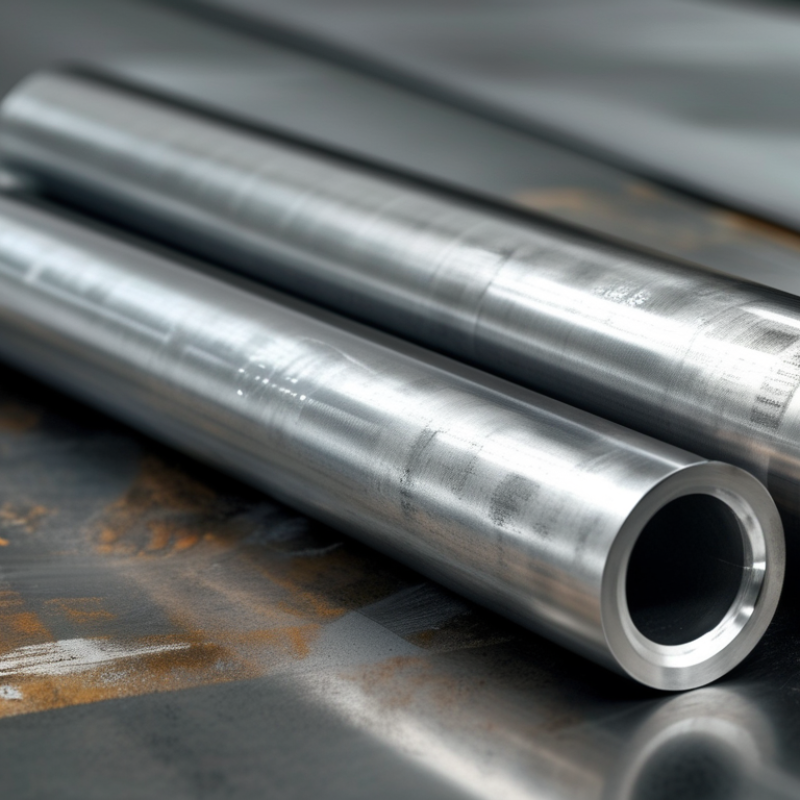
Benefits of 304 Steel Tube in Construction and Manufacturing
304 stainless steel tubes are widely recognized for their versatility and durability in construction and manufacturing. These tubes contain approximately 18% chromium and 8% nickel, which provides excellent corrosion resistance. According to a recent study, 304 steel accounts for about 60% of the stainless steel market due to its favorable properties. This high demand indicates its reliability across various industries.
In construction, 304 tubes are often used for structural applications. Their resistance to oxidation allows them to withstand outdoor conditions without significant degradation. A report from the American Institute of Steel Construction highlights that steel structures using 304 tubes can last up to 50 years with minimal maintenance. Additionally, these tubes offer good weldability, making them easier to work with during fabrication.
Manufacturers also benefit from 304 steel tubes. They are used in food processing and chemical industries for their sanitary properties. The smooth surface finish minimizes bacterial growth, which is crucial for food safety. However, one must consider that while 304 steel resists oxidation, it is not entirely immune to extreme environments. In highly saline conditions, its performance may degrade. This complexity necessitates careful selection and planning when considering materials for specific applications.
Key Properties of 304 Stainless Steel Tube Explained
304 stainless steel tubes are a popular choice in various industries due to their impressive properties. They are resistant to corrosion, making them suitable for environments with moisture or chemicals. According to a report by the American Society for Testing and Materials (ASTM), 304 steel exhibits a corrosion resistance rating of up to 85% in harsh settings. This makes it an ideal option for applications in food processing, pharmaceuticals, and architecture.
Another significant property of 304 stainless steel tube is its ability to withstand high temperatures. Research indicates that 304 can endure temperatures up to 870°C. This temperature tolerance is crucial for industries that require materials to maintain structural integrity under heat. However, the performance of 304 stainless steel can vary depending on specific conditions, such as alloy content and exposure to various chemicals. There could be instances where pitting corrosion occurs if not properly maintained.
In terms of mechanical properties, 304 stainless steel tubing offers excellent tensile strength, around 520 MPa. This strength is vital for structural applications. However, it’s important to remember that, while it performs well under many circumstances, 304 stainless steel's effectiveness can be diminished in extreme corrosive environments. Regular assessments and preventive measures can help mitigate potential weaknesses associated with this material over time.
Applications of 304 Steel Tube Across Various Industries
304 steel tube is widely used across various industries due to its excellent corrosion resistance and durability. It finds applications in the food and beverage sector, where hygiene is crucial. For instance, food processing plants rely on 304 steel tubes for piping systems. This ensures the safe transport of liquids without contamination.
In construction, 304 steel tubes are favored for structural purposes. They are strong yet lightweight, making them suitable for frameworks. However, the cost can be a concern for budget-conscious projects. Some may overlook cheaper materials, but this could lead to frequent replacements. Transportation industries also utilize 304 steel tubes for exhaust systems. These tubes withstand high temperatures and corrosion from exhaust gases.
Healthcare facilities use 304 steel tubes for medical equipment. They can easily be sterilized, maintaining a safe environment for patients. Yet, the reliance on this material must be carefully considered. While 304 is versatile, it may not always be the best choice for every application. Each project should evaluate specific needs to determine if 304 steel is the right fit.
Applications of 304 Steel Tube Across Various Industries
Cost-Effectiveness and Longevity of 304 Steel Tube
When considering materials for your project, 304 steel tubes stand out in terms of cost-effectiveness and longevity. This stainless steel type is widely known for its excellent resistance to corrosion. Projects exposed to harsh environments benefit immensely from this feature, ensuring they last longer and require less maintenance.
The initial investment in 304 steel tubes may be higher than other materials. However, their durability saves money over time. Projects often face wear and tear, leading to costly repairs. With 304 steel, this risk is significantly reduced. For instance, in construction, these tubes can withstand elements without rusting, contributing to safety and longevity.
It’s essential to evaluate your project needs before choosing materials. While 304 steel offers many advantages, assessing alternative options can reveal potential cost savings. Some applications may not require the high standards of 304 steel. In these cases, less expensive materials might be more appropriate. Balancing cost with performance is a critical reflection point for any project.
Comparison of 304 Steel Tube with Other Stainless Steel Grades
When considering materials for projects, the choice of stainless steel grades can greatly impact results. 304 steel tube is a popular option, known for its durability and corrosion resistance. However, it’s essential to compare it with other stainless steel grades to understand its strengths.
For instance, 316 stainless steel offers enhanced corrosion resistance, especially in marine environments. Its molybdenum content provides an edge that 304 lacks. Yet, 316 is often more expensive. If your project involves high exposure to chloride, 316 might be the better choice. But in many applications, 304 performs adequately without the added cost.
Another alternative is 430 stainless steel. While it's less expensive, it isn’t as corrosion-resistant. This grade is magnetic, unlike 304, which can be a drawback in certain applications. Choosing the right grade means balancing cost, strength, and application needs. So, it's crucial to reflect on project requirements and environmental conditions.