2026 Best 304 Seamless Steel Tube Buying Guide for Global Importers?
The demand for 304 Seamless Steel Tubes continues to rise globally. According to a recent market report by Smithers Pira, the stainless steel tube market is projected to grow at a CAGR of 6% through 2026. This growth is driven by industries such as construction, automotive, and oil & gas. Importers must stay informed about quality standards and supplier reliability in this competitive landscape.
Quality is paramount when selecting 304 Seamless Steel Tubes. These tubes are known for their corrosion resistance and durability, making them essential for high-performance applications. However, not all suppliers maintain consistent quality. Assessing certifications and previous customer feedback is vital. A recent survey indicated that 30% of importers faced quality control issues with their suppliers.
It's also essential to understand the material specifications and industry standards that govern 304 Seamless Steel Tubes. Importers should take time to familiarize themselves with ASTM A312 and other relevant guidelines. As the market evolves, being proactive about sourcing from reputable suppliers will ensure successful procurement and reduce potential risks in the supply chain.
Understanding 304 Seamless Steel Tube Specifications and Standards
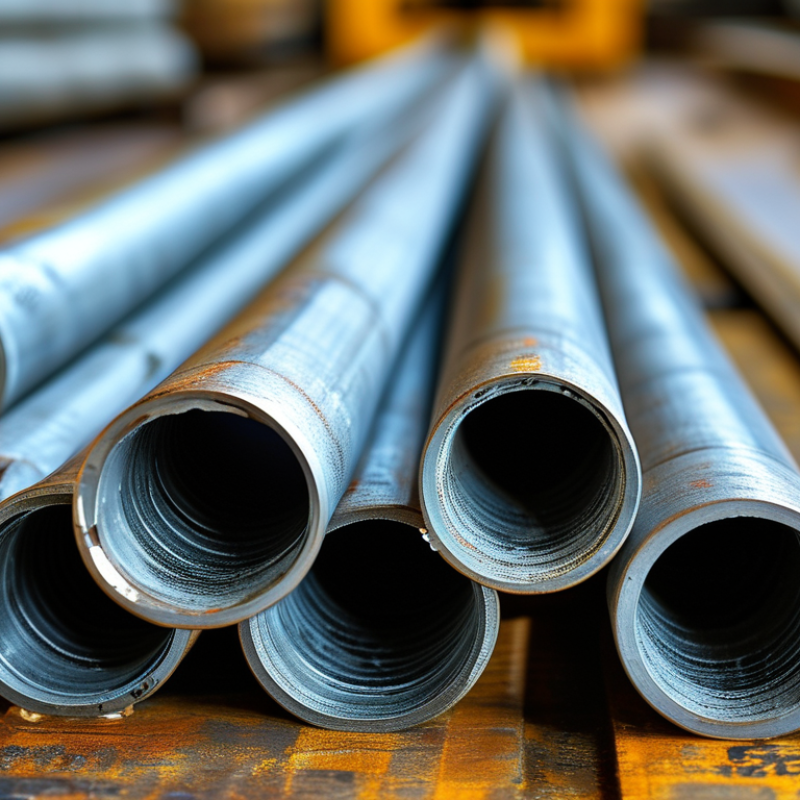
When considering 304 seamless steel tubes, understanding their specifications is essential. These tubes are often made from austenitic stainless steel, known for its corrosion resistance. The 304 grade contains 18% chromium and 8% nickel, which enhances its durability and structural integrity. It's common to find these tubes in various sectors, such as construction and automotive industries. The dimensions and thickness of these tubes are crucial for ensuring compatibility with different applications.
Standards for 304 seamless steel tubes vary globally. Different countries may have specific requirements for manufacturing and testing. For instance, some regions may emphasize pressure ratings or tensile strength. Buyers should be vigilant in confirming that the products meet applicable industry standards. This attention to detail can prevent costly issues down the line.
Importers must evaluate their suppliers thoroughly. Not all manufacturers follow the same production norms. Researching certifications and past performance is vital. Lack of diligence can lead to purchasing substandard products. Ultimately, a well-informed decision will foster successful import experiences in the future.
Key Markets for 304 Seamless Steel Tube in Global Trade Growth
The global trade landscape for 304 seamless steel tubes is evolving. Key markets show a substantial demand, driven by various sectors such as construction and automotive. According to industry forecasts, the global demand is projected to grow by 6% annually, with Asia Pacific leading the charge. Countries like China and India are expected to be significant contributors, fueled by rapid industrialization and urbanization.
However, supply chain challenges persist. The ongoing fluctuations in raw material prices affect profitability. Importers should remain vigilant. A recent report highlighted that overall competition in the seamless steel tube market is intensifying. This necessitates strategic sourcing and adaptability to changing market dynamics.
Consider focusing on quality certifications. Ensuring compliance with international standards can enhance credibility. Collaborating with local distributors may streamline logistics and reduce delays. Staying informed about trade policies and tariffs will also provide a competitive edge. Engage with industry experts to navigate complexities efficiently.
Critical Factors Influencing 304 Seamless Steel Tube Prices
When it comes to purchasing 304 seamless steel tubes, several critical factors influence pricing. The raw material costs play a significant role.
Stainless steel prices fluctuate due to market demand, production rates, and global supply chains. Importers must stay informed about these trends to make smart buying decisions. Seasonal changes can also affect availability, impacting prices in the short term.
Another important factor is the manufacturing process. The quality of the steel and the techniques used to create the seamless tubes affect their durability and strength. Higher quality processes generally yield better products but come at a higher cost. Buyers should consider the long-term benefits of investing in quality over lower prices.
Logistics and shipping also contribute to pricing. Transportation costs can rise due to fuel prices or regulatory changes affecting international shipping. Importers should account for potential delays or additional fees in their budgets. Understanding these elements can help navigate this complex market.
Evaluating Quality and Performance of 304 Seamless Steel Tubes
When evaluating the quality and performance of 304 seamless steel tubes, several factors come into play. The composition of 304 stainless steel includes 18% chromium and 8% nickel. This combination provides excellent corrosion resistance and good mechanical properties. Studies indicate that these tubes perform well under temperatures up to 870°C, making them suitable for various applications in industries like food processing, chemical, and oil & gas.
One important aspect of assessment is wall thickness. Tubes with consistent wall thickness perform better under pressure. A report by the American Society for Testing and Materials highlighted that variations in wall thickness can lead to premature failure. Moreover, surface finish plays a critical role in preventing corrosion. Rough surfaces tend to accumulate contaminants, while smoother finishes enhance durability. In some cases, companies overlook the importance of proper surface treatment, leading to subpar performance in harsh environments.
Testing methods also matter. Hydraulic tests and non-destructive testing ensure that the tubes meet industry standards. However, some importers may underestimate the relevance of these tests. A report by the International Organization for Standardization outlines that non-compliant products can lead to significant safety hazards. Proper evaluation of seamless tubes is not merely a formality; it's essential for ensuring their reliability in high-stress applications. Understanding these factors will help importers make informed decisions in their purchases.
Sourcing Strategies for Importers: Reliable Suppliers and Certification
When sourcing 304 seamless steel tubes, strategic partnerships become essential. Identifying reliable suppliers can significantly impact the quality of your imports. According to a report from the International Steel Association, over 50% of quality issues arise from poor supplier selection. It's vital to check certifications like ISO 9001, ensuring that the supplier meets international quality standards.
Global importers should focus on suppliers with a proven track record. A recent study indicated that 70% of successful importers utilize third-party audits to verify supplier reliability. Engaging in proactive communication is essential. Many importers report challenges in managing time zones and language barriers, which can impede effective sourcing.
Certification isn't just a formality; it assures product safety and compliance. Some suppliers may lack necessary certifications, posing risk to your operations. Conducting a thorough evaluation can help mitigate these risks. Remember, the perfect supplier may not exist, but refining the selection process can yield better results over time.
2026 Best 304 Seamless Steel Tube Buying Guide for Global Importers
| Dimension (mm) |
Wall Thickness (mm) |
Weight (kg/m) |
Length (m) |
Certification Standards |
Supplier Reliability Score (1-10) |
| 20 x 3 |
3 |
1.24 |
6 |
ASTM A312, ISO 9001 |
9 |
| 25 x 3 |
3 |
1.62 |
6 |
ASTM A312, EN 10204 |
8 |
| 30 x 4 |
4 |
2.14 |
6 |
ASTM A312, JIS G3461 |
7 |
| 40 x 5 |
5 |
2.85 |
6 |
ASTM A312, CE Marking |
9 |
| 50 x 5 |
5 |
3.39 |
6 |
ASTM A312, ASME SA-312 |
10 |