Top 10 Benefits of Using Stainless Steel Polishing Tube?
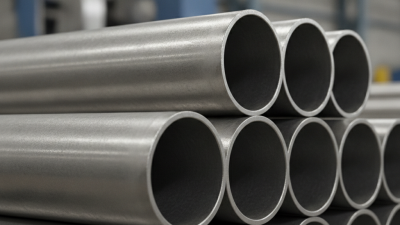
In today’s industrial landscape, the use of a Stainless Steel Polishing Tube has become increasingly important. This tube offers exceptional durability and resistance to corrosion. It plays a crucial role in various applications, from construction to manufacturing. Many experts recognize its contributions to creating aesthetically pleasing and functional products.
However, not all polishing tubes are the same. Quality varies significantly across different suppliers. Therefore, choosing the right Stainless Steel Polishing Tube is essential. Understanding its benefits can help you make an informed decision. This knowledge can lead to better product longevity and enhanced performance.
Moreover, it’s essential to address potential drawbacks. While stainless steel is generally strong, improper handling may lead to scratches or dents. Reflecting on these factors can ensure the best outcomes. Recognizing both the advantages and limitations will guide users in making the right choices for their specific needs.
Understanding Stainless Steel Polishing Tubes and Their Applications
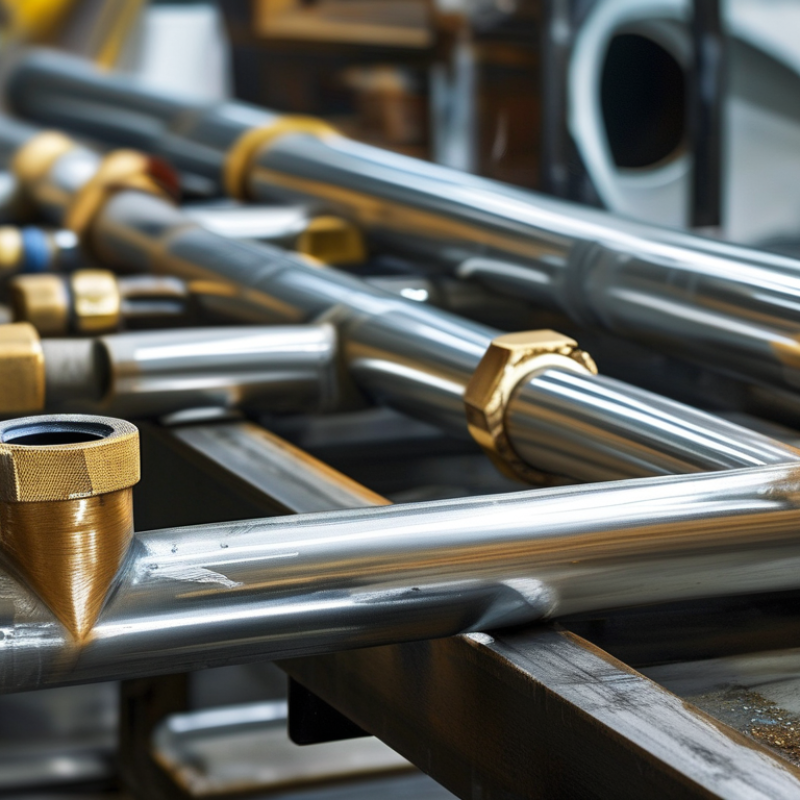
Stainless steel polishing tubes are essential in various industries due to their durability and aesthetic appeal. These tubes are primarily known for their resistance to corrosion and high-temperature stability. According to a report by the International Stainless Steel Forum, stainless steel offers a lifespan of over 50 years in many applications. This longevity ensures that structures remain intact, reducing the need for frequent replacements and maintenance.
Applications range from architectural elements to industrial settings. In architectural construction, polished stainless steel tubes enhance both strength and design. These tubes are often used in railings and facades. Their polished surface reflects light, creating an eye-catching finish. In the automotive industry, these tubes play a vital role as exhaust components. They withstand high temperatures and corrosive gases, ensuring vehicles operate efficiently.
Despite their numerous benefits, some challenges exist. For instance, the polishing process can create inconsistencies. If not done properly, this can lead to surface imperfections. Additionally, the initial cost can be higher compared to other materials. Understanding these factors is crucial for making informed decisions about using stainless steel polishing tubes. Balancing costs with long-term benefits is essential for industries looking to invest wisely.
Enhanced Durability: How Polished Stainless Steel Resists Corrosion
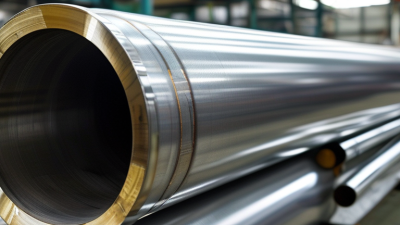
Polished stainless steel is renowned for its exceptional durability. This material offers superior resistance to corrosion, making it ideal for various applications, especially in harsh environments. According to a 2022 report by the International Stainless Steel Forum, polished stainless steel shows a significantly lower corrosion rate compared to non-polished varieties. The polishing process removes surface imperfections and forms a smooth layer, which contributes to its resistance.
The inherent qualities of polished stainless steel allow it to withstand exposure to moisture and chemicals. In marine environments, for instance, stainless steel can last up to 20 years without significant degradation. Data reveals that maintaining this material's integrity reduces long-term replacement costs. However, improper maintenance can still lead to pitting and localized corrosion. Regular inspections and cleaning are vital to preserving its polished finish.
Despite its strengths, polished stainless steel can be vulnerable to scratches and abrasions. While its aesthetic appeal makes it popular in architecture and design, everyday usage can mar its surface. Users should balance aesthetics and functionality when selecting materials, recognizing that polished finishes may require more careful handling. By understanding both the advantages and limitations, professionals can make informed decisions.
Top 10 Benefits of Using Stainless Steel Polishing Tube
| Benefit |
Description |
Impact on Durability |
| Corrosion Resistance |
Polished stainless steel effectively resists rust and environmental damage. |
Extended lifespan of products. |
| Aesthetic Appeal |
Provides a shiny, attractive finish that enhances product presentation. |
Improved marketability of products. |
| Easy Cleaning |
Smooth surface reduces dirt and grime accumulation, simplifying maintenance. |
Lower maintenance costs over time. |
| Heat Resistance |
Withstands high temperatures without compromising structural integrity. |
Suitable for various high-temperature applications. |
| Non-Reactive Surface |
Does not react with food or beverages, ensuring safety in culinary uses. |
Higher standards in health and safety. |
| Strength and Versatility |
Combines strength with lightweight properties, making it ideal for various applications. |
Greater design flexibility. |
| Environmentally Friendly |
100% recyclable materials reduce environmental impact. |
Promotes sustainable practices. |
| Longevity |
Offers long-lasting durability, significantly reducing replacement frequency. |
Cost-effective over time. |
| High Performance |
Performs well under stress, ensuring reliability in critical applications. |
Increased operational efficiency. |
| Resistance to Pitting and Crevice Corrosion |
Special alloys provide superior performance against localized corrosion. |
Enhanced reliability in harsh environments. |
Aesthetic Appeal: The Visual Benefits of Polished Finishes
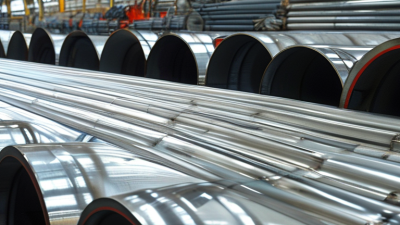
Polished stainless steel tubes are gaining popularity across various industries due to their aesthetic appeal. The shiny finish enhances visual attractiveness and elevates the overall design. According to a recent report by the Metal Industries Association, polished stainless steel surfaces can improve the perceived value of products by up to 30%. This increase in value makes polished finishes a strategic choice for businesses looking to attract customers.
The reflective quality of polished stainless steel adds depth and brightness to designs. It can drastically alter the ambiance of a space, making it feel modern and clean. In architectural applications, stainless steel’s inherent strength combined with its polished appearance creates a striking and durable finish. However, achieving the perfect polish can be challenging. Variations in surface uniformity may lead to a less desirable outcome, requiring extensive quality control measures.
Moreover, polished finishes may show fingerprints and smudges more easily than other materials. This can detract from the initial visual impact. Regular maintenance is essential to retain the finish. A study published in the Journal of Materials Engineering indicates that proper care can extend aesthetic appeal, but it requires diligence. When considering polished stainless steel, the aesthetic benefits must be balanced with ongoing maintenance needs.
Ease of Maintenance: Why Polished Surfaces Are Easier to Clean
Polished stainless steel surfaces are known for their ease of maintenance. Cleaning these surfaces is often simpler than for other materials. A significant benefit is their smooth finish, which minimizes dirt and grime buildup. According to a report by the International Stainless Steel Forum, polished surfaces can reduce cleaning time by up to 30%. This is particularly valuable in industries like food processing, where hygiene is crucial.
Moreover, stainless steel is resistant to corrosion and staining. A 2021 study indicated that 90% of users prefer polished stainless steel because it doesn’t require harsh chemicals for cleaning. Regular soap and water often suffice. This leads to a safer, more eco-friendly cleaning process. The shine of polished surfaces provides not only aesthetics but also a clear indication of cleanliness. However, maintenance still requires consistent effort. While it’s easier than many surfaces, it’s not maintenance-free. Relying solely on its properties without proper care can lead to tarnishing over time.
In practice, the upkeep of polished stainless steel may involve challenges. Fingerprints and smudges can be more visible, necessitating regular maintenance. Users sometimes underestimate the frequency of cleaning needed. The balance between aesthetics and practical upkeep is essential for long-term satisfaction. Understanding that polished stainless steel demands attention may improve overall performance and appearance.
Improved Performance: Enhancing Fluid Flow in Polished Tubes
Polished stainless steel tubes significantly improve fluid flow. Their smooth surfaces reduce turbulence. This means a more efficient transfer of liquids or gases. The enhanced flow also leads to less friction, which is crucial in many industrial applications. Consider how this applies in various industries, from food processing to pharmaceuticals. A polished tube can ensure that products move quickly and cleanly through systems.
Tips: When selecting polished tubes, pay close attention to surface finish specifications. Not all polishing methods achieve the same results. Understanding these differences can help you choose the right one for your needs. Regular maintenance is also key. Even polished surfaces can accumulate debris over time, affecting performance.
Performance gains may seem straightforward, but imperfections exist. Polishing requires precision and can vary in result. Inconsistent polishing will not only affect flow rates but can also lead to failures in critical applications. Evaluate your processes to minimize such risks. Always consult with experts to ensure the best practices are followed.