Why Choose Stainless Steel Coil Tube for Your Projects?
When considering materials for plumbing and HVAC projects, the choice of tubing is crucial. Stainless Steel Coil Tube stands out as a preferred option. Its durability and resistance to corrosion make it an ideal candidate for various applications. In environments where moisture and chemicals are present, stainless steel proves its reliability.
The flexibility of Stainless Steel Coil Tube allows for easy installation. It can be bent and shaped to fit numerous setups without compromising structural integrity. This adaptability often saves time and labor costs. Moreover, stainless steel's long lifespan reduces the need for replacements, which is a valuable aspect of any project.
However, the initial investment in stainless steel can be daunting for some. It is essential to consider the long-term benefits of durability and low maintenance costs. Sometimes, prioritizing upfront savings can lead to future drawbacks. Reflecting on choices and weighing immediate needs against future requirements is vital for successful project outcomes.
Benefits of Stainless Steel Coil Tubes in Industrial Applications
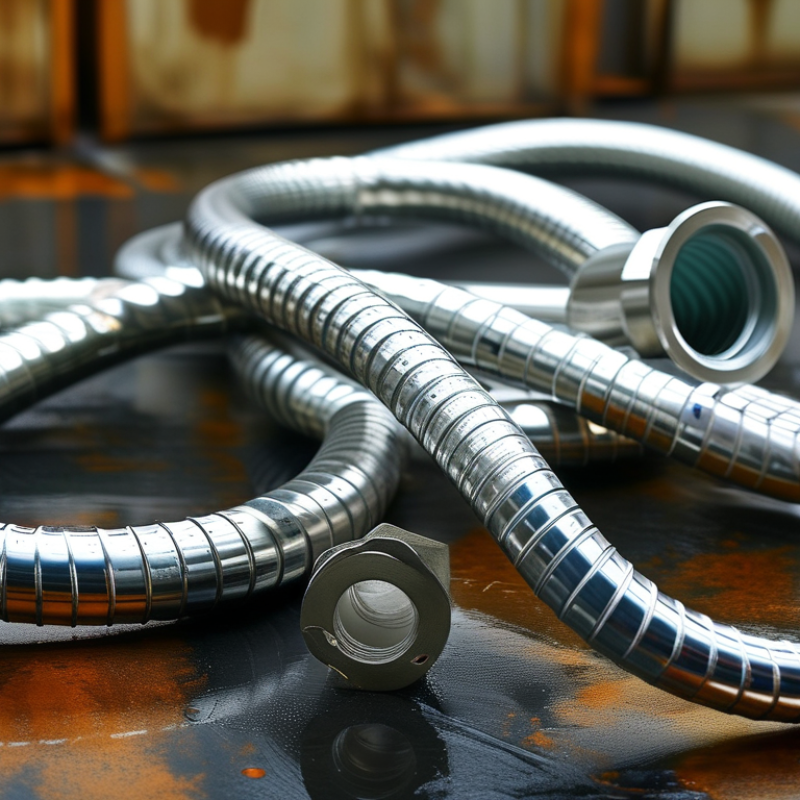
Stainless steel coil tubes have gained popularity in various industrial applications due to their unique benefits. These tubes are resistant to corrosion, which enhances their lifespan significantly. This is especially valuable in environments where exposure to moisture and chemicals is common. Their ability to withstand high temperatures makes them ideal for heat exchangers and other thermal applications.
The flexibility of stainless steel coil tubes allows for easy installation in tight spaces. They can be bent and shaped according to specific requirements without compromising structural integrity. This adaptability can reduce installation time and costs. Many industries have realized that using coil tubes can streamline processes and improve efficiency.
When selecting materials, consider the specific requirements of your project. Environmental conditions play a crucial role in material choice. It's essential to match the tube's specifications with the intended use. Evaluate factors such as pressure, temperature, and potential chemical exposure. Analyzing these elements ensures better performance and longevity of the installed systems.
Corrosion Resistance: A Key Factor for Longevity and Durability
Corrosion resistance is crucial when selecting materials for projects.
Stainless steel coil tubes excel in this area. They withstand various environmental challenges. Most metals deteriorate when exposed to moisture and chemicals. Stainless steel, however, forms a protective layer that inhibits corrosion. This is especially vital in industries like oil and gas, where safety is paramount.
Another factor to consider is durability. Stainless steel’s ability to endure extreme temperatures and pressures enhances its reliability. A quick analysis shows that projects involving heat exchangers or plumbing systems greatly benefit from using stainless steel coil tubes.
Their lifespan can surpass other materials, making them a cost-effective solution. Nonetheless, it’s important to assess specific project requirements. Not every application demands corrosion resistance. In some cases, the cost can outweigh the benefits. Evaluating the environment and the material’s life cycle is essential.
These reflections ensure that choosing stainless steel contributes positively to project outcomes. Balancing safety, efficiency, and budget is key for any successful endeavor.
Thermal Conductivity and Efficiency in Heat Exchanger Designs
Stainless steel coil tubes are increasingly favored in heat exchanger designs. Their thermal conductivity plays a crucial role in enhancing efficiency. Research shows that stainless steel offers a conductivity rating of 16 W/m·K, which is significant when compared to materials like copper, which rates around 400 W/m·K. However, stainless steel’s corrosion resistance makes it more suitable for various environments, especially in chemical processing.
In systems where heat transfer is essential, the design must prioritize not only material efficiency but also long-term durability. Stainless steel’s resistance to oxidation can improve the lifespan of heat exchangers significantly. A study indicates that heat exchangers made of stainless steel can reduce maintenance costs by up to 20%. While the initial investment may be higher than other materials, long-term benefits can outweigh these costs.
Environmental factors should also be considered. Stainless steel is recyclable, contributing to sustainability in industrial projects. However, developers must remain aware of their specific project needs and climate conditions. The adaptability of stainless steel to different working environments is both a strength and a limitation that needs thorough evaluation.
Thermal Conductivity Comparison of Different Coil Materials
In this chart, we compare the thermal conductivity of various materials typically used in heat exchanger designs. Copper and aluminum lead with high thermal conductivity, making them ideal for efficient heat transfer. Stainless steel, while lower in conductivity, offers durability and corrosion resistance, making it a popular choice for many projects.
Cost-Effectiveness: Comparing Stainless Steel to Alternative Materials
When considering materials for your projects, cost-effectiveness is key. Stainless steel coil tubes are often a superior choice compared to alternatives. They offer durability and resistance to corrosion, which can reduce long-term maintenance costs. In contrast, materials like plastic or copper may need replacement or repairs more frequently.
A closer look reveals that stainless steel may have a higher upfront cost. But don't overlook its longevity. This material can last decades, making it a wise investment. When you calculate life-cycle costs, stainless steel often comes out ahead.
Consider this: stainless steel is recyclable. This adds to its value. In a world increasingly focused on sustainability, using stainless steel can enhance your project's appeal.
Evaluate your needs carefully. Sometimes, the lower initial cost of cheaper materials can lead to higher expenses down the road. Investing in quality upfront can pay off in fewer repairs and replacements. Aim for a thoughtful selection of materials for optimal performance and cost savings.
Sustainability and Recyclability of Stainless Steel in Modern Projects
Stainless steel coil tubes are a smart choice for modern projects, mainly due to their sustainability and recyclability. Stainless steel is primarily made from abundant natural resources, which helps reduce environmental impact. Unlike plastic, stainless steel can be recycled multiple times without losing its properties. This cycle promotes a more sustainable approach to manufacturing, aligning with global eco-friendly initiatives.
When working with stainless steel, consider its longevity. These materials resist corrosion, which means they last longer. Durability cuts down on the frequency of replacements, leading to less waste. Moreover, as more industries shift towards greener practices, using stainless steel can enhance the overall appeal of your projects.
Tips: Look for local recycling options when disposing of stainless steel. This practice reduces transport emissions and supports community efforts. Always research the recycling processes in your region to make informed decisions. Be mindful of your project's specific needs, as not all stainless steel grades are equally recyclable.