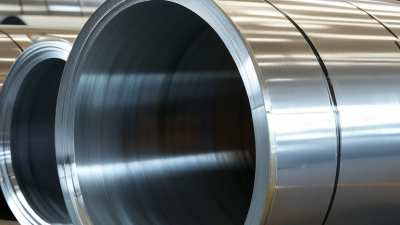
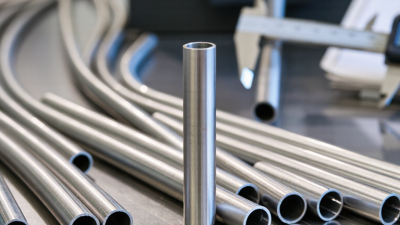
Global sourcing demands more than a competitive quotation. It requires verified material quality, stable capacity, and dependable documentation. Stainless Steel 316 Companies attract international buyers because 316 stainless steel offers strong resistance to chlorides, acids, and marine exposure. Its molybdenum content matters near seawater, chemical plants, and humid warehouses. Not every application needs it.
Industry data supports careful material selection. The World Steel Association reported approximately 1.89 billion tonnes of crude steel production in 2023, showing the scale and complexity of international steel supply. However, volume does not guarantee consistency. The International Energy Agency also identifies steelmaking as responsible for roughly 7% to 9% of global energy-related emissions. Responsible buyers should therefore assess production efficiency, traceability, and environmental reporting alongside price.
Qualified Stainless Steel 316 Companies should provide mill test certificates, heat numbers, and third-party inspection options. Buyers can compare chemical composition against ASTM A240 or EN 10088 requirements. They should also inspect weld quality, surface finish, packaging, and corrosion-test records. A polished sheet may look excellent under warehouse lighting, yet its documentation can remain incomplete. That is where sourcing experience becomes valuable.
Real projects reveal the difference. A coastal food-processing line may need 316L fittings with low carbon content after welding. A distributor may instead prioritize predictable container loading and replacement support. No supplier is perfect. Lead times change, test reports may need clarification, and a low quotation can conceal higher inspection costs. Careful audits, sample approval, and transparent communication help global buyers choose partners with practical reliability, not merely attractive claims.
Why Choose Stainless Steel 316 Companies for Global Sourcing?
Stainless steel 316 is valued for its balanced chemistry and dependable corrosion resistance. Under ASTM A240, 316 typically contains 16–18% chromium and 10–14% nickel. It also includes molybdenum, commonly between 2–3%. These numbers matter.
Chromium supports a protective oxide layer on the surface. Nickel helps maintain the stable austenitic structure. Molybdenum improves resistance against chlorides, coastal air, and many industrial chemicals. In practical sourcing, these elements influence service life, forming performance, and maintenance costs. The material is not simply “stainless.” Its chemistry needs verification.
A reliable global supplier should provide a mill test certificate for each production heat. The document should show chemical results, mechanical properties, product thickness, and applicable ASTM A240 requirements. Buyers should compare the certificate with independent testing when the application is critical. It is a small cost.
Surface finish, flatness, weld quality, and packaging also deserve inspection. A bright surface may look impressive but cannot prove the correct alloy. I have seen purchasing decisions rely too heavily on appearance. That approach needs reconsideration. Grade 316 and 316L are related, yet their carbon limits differ, affecting welding and corrosion performance. Clear inspection records, traceable labeling, and realistic delivery terms make cross-border procurement more dependable. Mistakes still happen. Good documentation makes them easier to detect.
Type 316 stainless steel is defined by its chromium, nickel, and molybdenum content. The ranges below reflect ASTM A240 chemical composition limits for key alloying elements, expressed as weight percentages.
ASTM A240 specifies approximately 16–18% chromium, 10–14% nickel, and 2–3% molybdenum for Type 316 stainless steel. The molybdenum addition improves resistance to chloride-related corrosion, making 316 suitable for demanding industrial, marine, chemical-processing, and food-processing applications. Iron makes up the balance of the composition.
When global buyers evaluate stainless steel 316 companies, chemistry deserves close attention. The grade typically contains about 2–3% molybdenum. That small addition improves performance in chloride-rich environments. Molybdenum strengthens the passive film and reduces pitting and crevice corrosion.
Picture a coastal handrail, process tank, or fastener exposed to saltwater. These surfaces may last longer than similar 304 components. However, corrosion resistant never means corrosion proof.
A reliable supplier should provide heat numbers, chemical test results, and mechanical data. Molybdenum raises the pitting resistance equivalent number, often called PREN. This supports useful grade comparisons, not guaranteed service life.
Surface finish, welding quality, contamination, temperature, and chloride concentration still matter. Poorly cleaned welds can create weak points, even with correct molybdenum content. Small details matter.
One common sourcing mistake is trusting a certificate without checking production controls. Ask how material is stored, tested, and traced through processing. Review samples when the application involves seawater, chemicals, or narrow crevices.
A specification may look perfect on paper and still fail in service. That uncomfortable gap deserves attention.
In some projects, 316 is selected automatically, although a different alloy or better design may be more suitable.
Choosing stainless steel 316 companies for global sourcing requires more than comparing prices.
Supplier quality should be checked against recognized standards and traceable evidence. ISO 3506-1 covers mechanical properties for stainless steel bolts, screws, and studs. For 316 fasteners, the usual designation is A4, with property classes such as A4-70 or A4-80. ISO 3506-2 applies to nuts, while ISO 3506-3 covers set screws and similar parts. Always confirm the product type and property class.
ASTM standards add useful verification points. ASTM F593 covers stainless steel bolts, screws, studs, and similar fasteners, including corrosion-resistant alloy groups. ASTM F594 covers compatible nuts. For raw bar or plate, ASTM A276 or ASTM A479 may apply, depending on the application. ASTM A967 can help verify chemical passivation treatment. Ask for a mill test certificate, heat number, chemical composition, tensile results, dimensional records, and positive material identification. A certificate alone is not enough. It can be accurate, incomplete, or poorly matched to the shipment.
Tips: Request samples from the same production route. Check markings on the parts and packaging. Compare the heat number with test documents. Consider independent laboratory testing for nickel, chromium, molybdenum, and tensile performance. Supplier audits also matter, especially when documentation looks perfect. This step is often overlooked. Even experienced buyers can miss mixed batches or unclear ASTM editions. Clear purchase specifications reduce that risk.
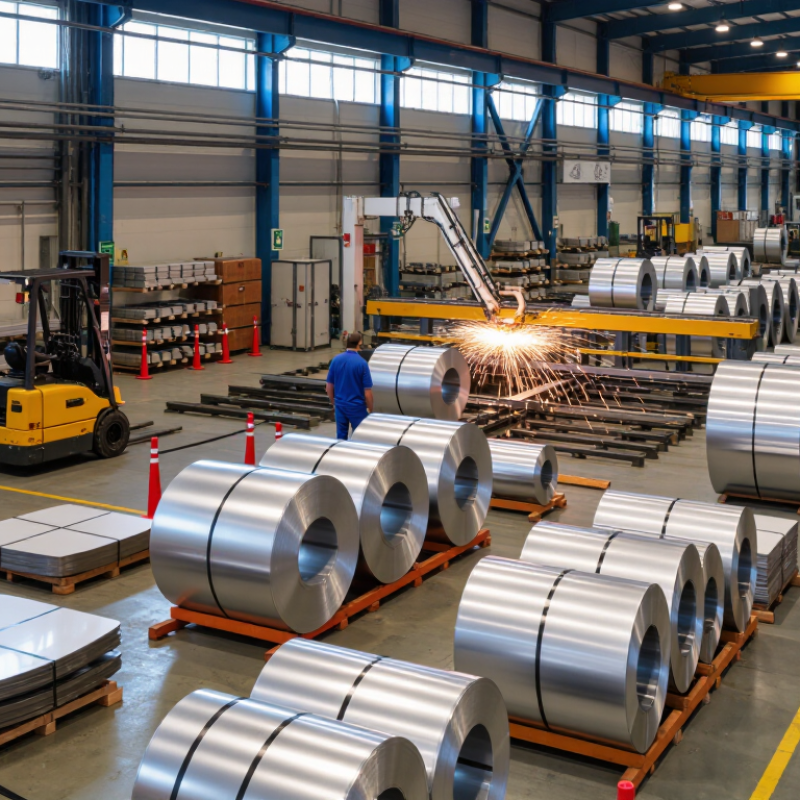
Global sourcing needs more than a competitive quotation. Experienced stainless steel 316 companies coordinate mills, processors, freight teams, and inspection partners across regions. They confirm chemical composition, mechanical properties, surface finish, and required dimensions before production begins. Clear planning reduces surprises at the receiving dock. Still, no system is perfect.
Traceability connects each coil, sheet, or bar to its heat number and inspection records. Reliable suppliers keep mill certificates, test results, packing details, and shipment documents aligned. Some also use batch labels and digital records, allowing buyers to check material history quickly. Lead-time control depends on realistic capacity planning, not optimistic promises. Suppliers should share production milestones, port schedules, and possible delays early. A missed update can disrupt fabrication schedules, even when the steel itself meets every specification.
Tips: Ask for a traceability sample before placing a large order. Confirm certificate formats, inspection points, packaging standards, and delivery terms in writing. Request weekly updates for time-sensitive projects. Leave a small schedule buffer. It may feel unnecessary, but weather, port congestion, and rework can change a careful plan.
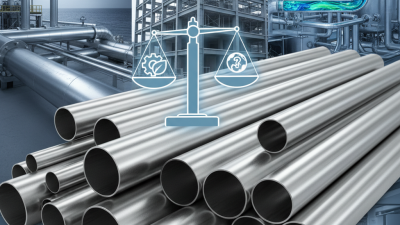
When global sourcing teams compare stainless grades, purchase price often dominates the first review. Yet 316 lifecycle costs can outperform lower-grade alternatives in demanding environments. Its molybdenum content improves resistance to chloride corrosion, especially near saltwater, chemical washdown areas, and humid processing facilities. Fewer corrosion failures can mean fewer shutdowns, replacements, and emergency shipments.
The savings become clearer when suppliers provide strong technical control. Reliable 316 companies should offer material certificates, heat-number traceability, positive material identification, and consistent dimensional tolerances. Welding procedures also matter. Poor fabrication can damage corrosion performance, even when the base metal is correct. Proper cleaning, passivation, and protective packaging help components arrive ready for service. These details may look small. They are not.
Still, 316 is not automatically the best financial choice. A dry indoor application may not justify its higher purchase price, while an aggressive chloride environment may make cheaper steel expensive over time. Buyers should compare expected service life, maintenance labor, downtime exposure, inspection needs, and disposal costs. A spreadsheet can miss the cost of one failed weekend repair. Engineers and procurement teams should review actual operating conditions together, because grade selection based only on habit can create unnecessary spending.
13295445693