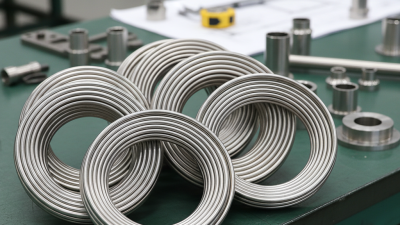
2026 Top Guide to 310 Steel Coil Tube for Global Buyers?
In the evolving landscape of construction and manufacturing, the demand for quality materials remains critical. The 310 Steel Coil Tube has emerged as a versatile choice for global buyers. Renowned for its durability and heat resistance, this tube is vital in industries like aerospace, chemical processing, and oil and gas. Its unique properties derive from the high nickel and chromium content, offering superior performance in extreme conditions.
However, navigating the international market can be challenging. Buyers must understand specifications and suppliers’ reliability. Ensuring quality and compliance with international standards is crucial. It’s essential to connect with trusted manufacturers who prioritize transparency and ethical practices.
While the benefits of 310 Steel Coil Tube are apparent, making informed decisions is vital. Buyers need to reflect on their suppliers’ histories, production methods, and certifications. This diligence can prevent costly mistakes and ensure that the value of 310 Steel Coil Tube translates into successful projects worldwide.
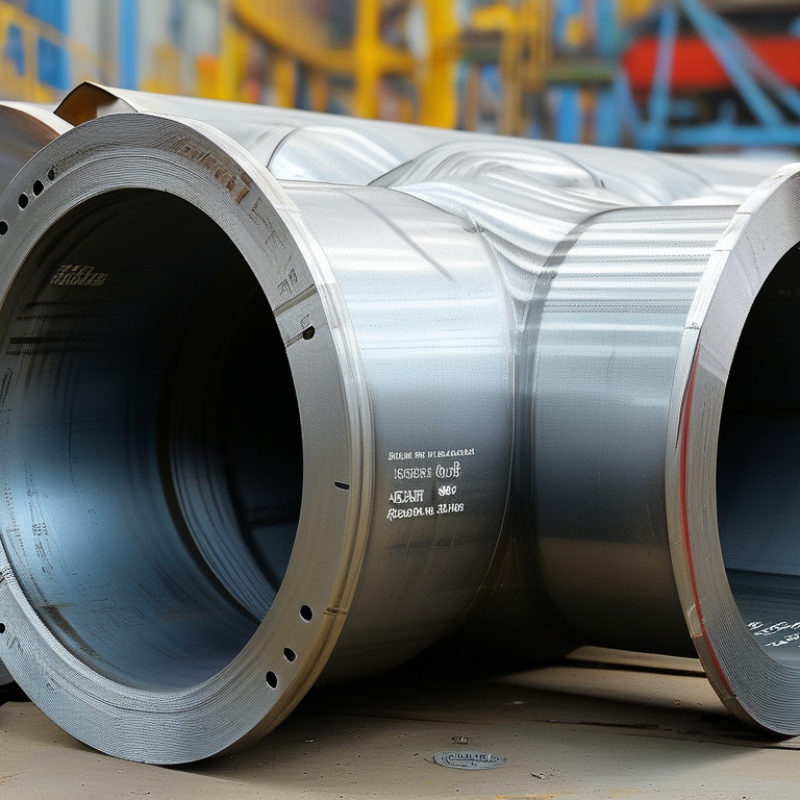
Overview of 310 Steel Coil Tube and Its Properties
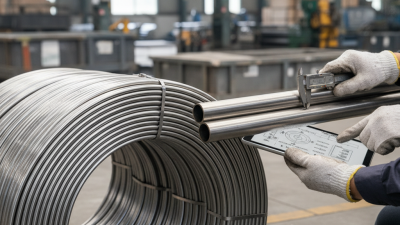
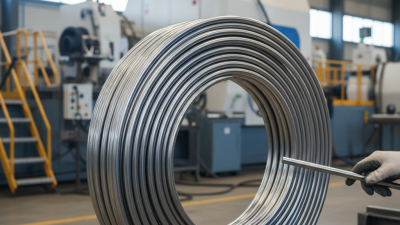
The 310 steel coil tube is a versatile alloy known for its high-temperature resistance and excellent corrosion resistance. It is primarily composed of nickel and chromium, which enhances its durability. This makes it suitable for various applications, including chemical processing and oil refineries. The tube can withstand extreme conditions, maintaining strength while enduring oxidation.
When considering 310 steel coil tubes, focus on specific properties. The thermal expansion rate is one significant feature. It allows for flexibility in high-heat environments. However, its cost can be higher compared to other materials. Buyers must weigh the benefits against their budget constraints.
Tips: Always request multiple quotations from suppliers. This practice can reveal price variations. Additionally, check the certifications of the steel. Reliable certifications assure quality standards. Don’t hesitate to seek expert advice on applications. Understanding usage requirements is crucial for making informed decisions.
Applications of 310 Steel Coil Tube in Various Industries
The 310 steel coil tube is gaining traction across diverse industries due to its exceptional properties. This alloy exhibits outstanding resistance to oxidation and corrosion, making it suitable for high-temperature environments. The chemical processing sector particularly benefits from its durability, as it can withstand harsh conditions. According to a recent market analysis, the global demand for stainless steel tubes is projected to grow at a CAGR of 6.5% from 2023 to 2030.
In the aerospace industry, 310 steel coil tubes are integral to components that require high heat resistance. These tubes help improve engine efficiency and longevity. Additionally, the oil and gas industry utilizes them for pipelines and valves where high durability is essential. Industry reports highlight that the need for durable materials in energy applications drives innovation and investment in this area.
Tip: When selecting a 310 steel coil tube, consider the specific requirements of your application, such as temperature and pressure. Ensure you consult with experts to validate your choices. Remember, using inappropriate materials can lead to failures and increased costs. Balancing performance and cost-effectiveness is crucial.
2026 Top Guide to 310 Steel Coil Tube for Global Buyers
| Application Industry |
Key Features |
Temperature Resistance (°C) |
Corrosion Resistance |
Common Applications |
| Aerospace |
High strength, lightweight |
870 |
Excellent |
Exhaust systems, turbine components |
| Chemical Processing |
Resistance to harsh chemicals |
850 |
Good |
Heat exchangers, piping systems |
| Oil & Gas |
Durability under extreme conditions |
900 |
Excellent |
Drilling equipment, pipelines |
| Food Processing |
Sanitary and cleanable |
800 |
Good |
Processing equipment, storage tanks |
| Power Generation |
Thermal stability |
850 |
Good |
Boilers, heat recovery units |
Key Factors to Consider When Purchasing 310 Steel Coil Tube
When selecting a 310 steel coil tube, several key factors demand attention. The chemical composition is crucial. Typically, 310 stainless steel contains high levels of nickel and chromium. This offers enhanced resistance to oxidation and corrosion at elevated temperatures. Notably, the International Stainless Steel Forum reports that the 310 alloy can withstand temperatures up to 2100°F (1150°C). Such properties make it ideal for high-temperature applications.
Another essential aspect is the tube's mechanical properties. Tensile strength, yield strength, and elongation are vital indicators. According to recent industry data, a 310 steel coil tube can have a yield strength of around 30 ksi (207 MPa) and a tensile strength near 75 ksi (517 MPa). Buyers should verify that these properties meet their specific application requirements.
Quality assurance processes also play an important role. Ensure that suppliers conduct rigorous testing, such as non-destructive testing (NDT) and material certification. An absence of these checks could lead to failures in critical applications. Leveraging trusted data can help buyers avoid pitfalls and ensure that their chosen material performs reliably in demanding environments.
2026 Steel Coil Tube Market Analysis
Global Suppliers and Manufacturers of 310 Steel Coil Tube
When seeking 310 steel coil tubes, it's crucial to understand the landscape of global suppliers and manufacturers. The demand for these tubes spans various industries, including automotive and construction. Conducting thorough research will equip buyers with the knowledge needed to make informed decisions.
Tips: Prioritize suppliers with a proven track record in the industry. Look for certifications and testimonials that demonstrate reliability. Engaging with manufacturers directly can provide insights into their production processes. Variations in specifications can occur, so clarify your needs and expectations.
While many suppliers offer competitive prices, their quality may differ significantly. Some may cut corners in production, potentially leading to product failures. It’s important to inspect samples before making bulk purchases. Consider the supplier's responsiveness, too. Good communication often indicates a commitment to quality customer service.
Future Trends and Innovations in 310 Steel Coil Tube Production
The production of 310 steel coil tubes is evolving rapidly, driven by advancements in technology and the demand for high-performance materials. According to a recent industry report, the global market for stainless steel products is projected to reach USD 200 billion by 2026, with 310 series tubes playing a crucial role due to their excellent oxidation resistance. This alloy combines nickel and chromium, allowing it to withstand high temperatures, making it essential in industries like aerospace and chemical processing.
Innovations in manufacturing processes, such as precision machining and automated welding, are enhancing the efficiency of production. Additionally, the adoption of eco-friendly practices is becoming more prevalent. Surveys indicate that over 30% of manufacturers are investing in greener technologies to reduce carbon footprints. However, there are challenges. The volatility of raw material prices can disrupt production schedules.
Furthermore, quality control remains a critical concern. Ensuring consistent performance across batches requires rigorous testing. Data shows that nearly 15% of products fail to meet stringent standards. This highlights the ongoing need for improvements in manufacturing practices to guarantee reliability. As the market evolves, staying updated with these trends is vital for buyers seeking sustainable and high-quality solutions in steel coil tubing.