


How to Find Reliable Stainless Steel 316 Companies
Stainless Steel 316 Companies can vary widely in product quality, documentation, and technical support. The right supplier should do more than offer a competitive price. It should help you confirm that the material matches your application and stated specifications. Grade 316 contains molybdenum, which improves corrosion resistance in many chloride-containing environments. However, no grade is suitable for every condition. Temperature, exposure, fabrication, and maintenance all matter.
A careful review starts with traceability. Ask for mill test reports linked to the supplied batch, and check that product markings match the paperwork. Details matter. Confirm dimensions, tolerances, finish, available forms, and delivery expectations before comparing quotations. A sample or clear inspection process may help when surface quality or fit is critical. Strong suppliers answer technical questions plainly and explain what their documents do—and do not—confirm. A certificate alone is not a guarantee of performance.
This guide outlines practical ways to assess Stainless Steel 316 Companies, from checking experience with similar projects to reviewing quality controls and communication. Look for consistent records, realistic lead times, and transparent responses when requirements are unclear. Not every supplier will fit every job, and a polished website proves little by itself. Compare evidence, ask focused questions, and record any assumptions before placing an order. A little uncertainty can remain, especially when service conditions are complex, so independent technical advice may be appropriate for demanding applications.
Define Your Stainless Steel 316 Requirements
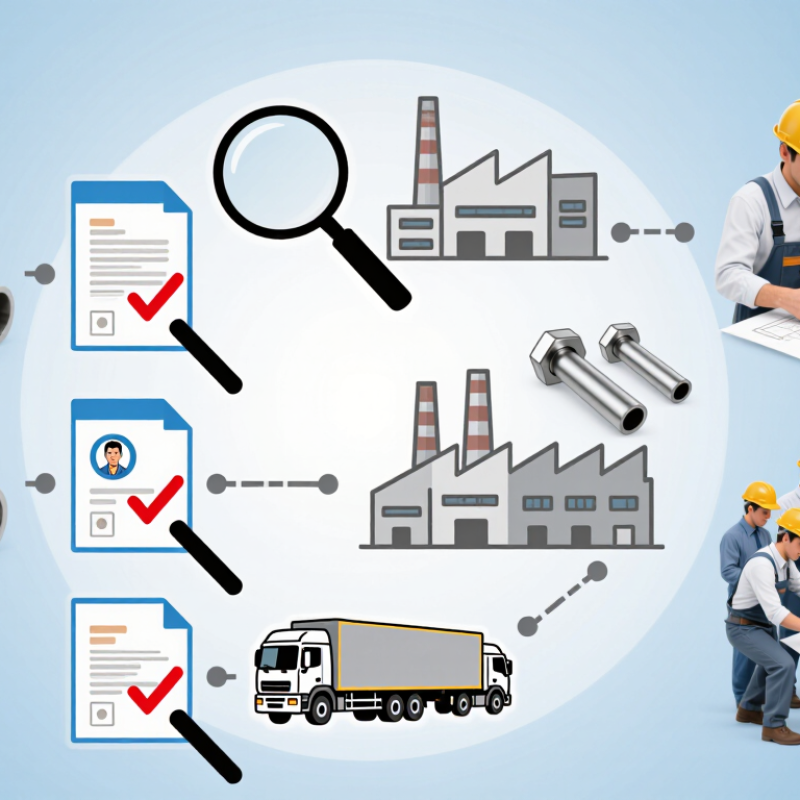
Before evaluating stainless steel 316 companies, define the material and service you actually need. Specify whether you need sheet, plate, bar, pipe, or another product form. Include dimensions, tolerances, surface finish, quantity, and delivery location. State whether standard 316 or lower-carbon 316L is required; welding needs may affect that choice. Describe the working environment, too. Chloride exposure, temperature, and cleaning chemicals can influence performance. Vague requirements invite vague quotations.
Tips: Prepare a one-page specification. Include drawings or a sample size where possible. Ask suppliers to identify the applicable material standard and provide traceable test documentation with the shipment.
You may not know every value yet, and that is normal. Mark uncertain details clearly instead of guessing. For example, note that a tube will carry warm, salt-bearing water, but confirm the operating temperature with your engineer. Mention welding or machining needs, since these can affect sourcing and inspection. A supplier’s response to precise questions can reveal whether they understand your application. Still, a neat quotation is not proof of suitability; compare the offered grade and documents against your written requirements.
How to Find Reliable Stainless Steel 316 Companies - Define Your Stainless Steel 316 Requirements
| Requirement dimension | What to define | Useful specification or reference | What to verify with a supplier |
|---|---|---|---|
| Material grade | Specify 316 or 316L, and state whether substitutions require approval. | UNS S31600 is commonly associated with 316; UNS S31603 with 316L. 316L has a lower maximum carbon limit than 316 in common product specifications. | Request a material test certificate showing the grade, heat number, chemical analysis, and applicable product specification. |
| Product form | Identify whether you need sheet, plate, strip, bar, pipe, or tube. | Common ASTM references include A240 for plate, sheet, and strip; A276 for bars and shapes; A312 for pipe; and A213 for boiler, superheater, and heat-exchanger tubes. | Check that the offered specification matches the product form, manufacturing route, and intended application. |
| Dimensions and tolerances | List thickness or diameter, width, length, wall thickness, quantity, and permitted tolerances. | Use the dimensional tolerances in the governing product standard or drawing; do not rely on nominal dimensions alone. | Ask for a written dimensional inspection report and confirm how out-of-tolerance material is handled. |
| Surface finish and condition | State the required finish, edge condition, heat-treatment condition, and any limits on scratches or surface defects. | For sheet and plate, identify the required finish by the relevant specification or a clear sample or drawing description. | Request finish details and inspection criteria in the quotation or purchase order. |
| Operating environment | Describe the media, temperature, concentration, cleaning chemicals, and exposure conditions. | 316 stainless steel contains molybdenum and is often selected for improved resistance to certain chloride environments compared with 304; suitability still depends on actual service conditions. | Confirm that the grade is appropriate for the service conditions with a qualified materials or corrosion specialist where needed. |
| Welding and fabrication | Note whether the material will be welded, formed, machined, or exposed to elevated temperatures. | 316L's lower carbon content is commonly specified to reduce sensitization risk during welding; the correct choice depends on the design and applicable code. | Ask for confirmation of supplied condition and any documentation required by your fabrication procedure or project code. |
| Traceability and certification | Define certificate type, marking, lot segregation, and document retention requirements. | EN 10204 Type 3.1 is a common inspection-document option for metallic products when specified by the buyer and available under the order terms. | Check that certificate details match the delivered product and that heat or batch numbers remain traceable to the material. |
| Testing and inspection | Specify required tests, inspection scope, acceptance criteria, and whether third-party inspection is needed. | Test requirements vary by product standard, order, and application; list each required test explicitly rather than assuming it is included. | Request applicable reports and agree on inspection timing, sampling, and nonconformance procedures before production or shipment. |
| Packaging and delivery | State packaging, surface protection, delivery location, schedule, and shipment documentation needs. | Packaging should protect the material from handling damage and contamination during storage and transport. | Confirm packaging method, delivery commitments, and how shortages or transit damage are documented and resolved. |
| Supplier qualification | Set minimum expectations for quality controls, technical support, and order communication. | Evaluate documented quality processes, material traceability, inspection capability, and relevant experience with the required product form. | Review sample documentation, clarify the supplier's role in the supply chain, and agree on written terms for deviations and corrective actions. |
Note: Final grade, product standard, testing, and acceptance requirements should be confirmed against the applicable design code, purchase specification, and service conditions.
Related Posts
-
Why Choose Stainless Steel 316 Companies for Global Sourcing?
-

2026 Top Trends in Stainless Steel Seamless Steel Coiled Pipe Industry?
-
2026 How to Choose Astm A269 304 Capillary Pipe for Your Needs?
-
Top Quality 304 Seamless Steel Tube Supplier for Global Buyers?
-
Top Stainless Steel Coil Tube Companies to Consider for Procurement?
-
Top 10 Uses for ASTM A269 304 Capillary Pipe in Various Industries?
-

Phone
-

E-mail
-

Whatsapp
-

WeChat
WeChat
13295445693
-

Top