Choosing the right 304 Seamless Steel Tube supplier requires more than comparing prices. The decision affects pressure safety, corrosion resistance, installation time, and long-term maintenance. A polished website is not proof of a reliable mill. Real evidence matters more.
J.R. Davis, a recognized stainless-steel materials author, offers a useful reminder: “Stainless steels are selected for their corrosion resistance.” That principle should guide every supplier review. Ask for the material test certificate, heat number, chemical composition, and mechanical results. Confirm whether the certificate follows EN 10204 3.1, ASTM, or your required specification. Check the actual outside diameter, wall thickness, length tolerance, surface finish, and delivery condition. A tube can look bright and still fail a critical inspection.
Look closely at production control. Can the supplier provide PMI testing, hydrostatic testing, ultrasonic examination, and heat-treatment records? Are these services performed in-house or outsourced? Traceability should follow each bundle, not disappear after shipment. Request recent project references, factory photographs, sample documents, and a small trial order when practical. Ask difficult questions early.
Price is only one signal.
A low quotation may exclude testing, packaging, or certification. An expensive offer may still lack technical depth. I have seen buyers focus on unit cost and overlook inconsistent wall thickness. That mistake becomes visible during welding or pressure testing. No supplier is perfect, and certificates deserve verification. Compare responses, inspect details, and record every promise in the purchase agreement. This guide explains how to assess suppliers with practical evidence, technical judgment, and a healthy willingness to reconsider first impressions.
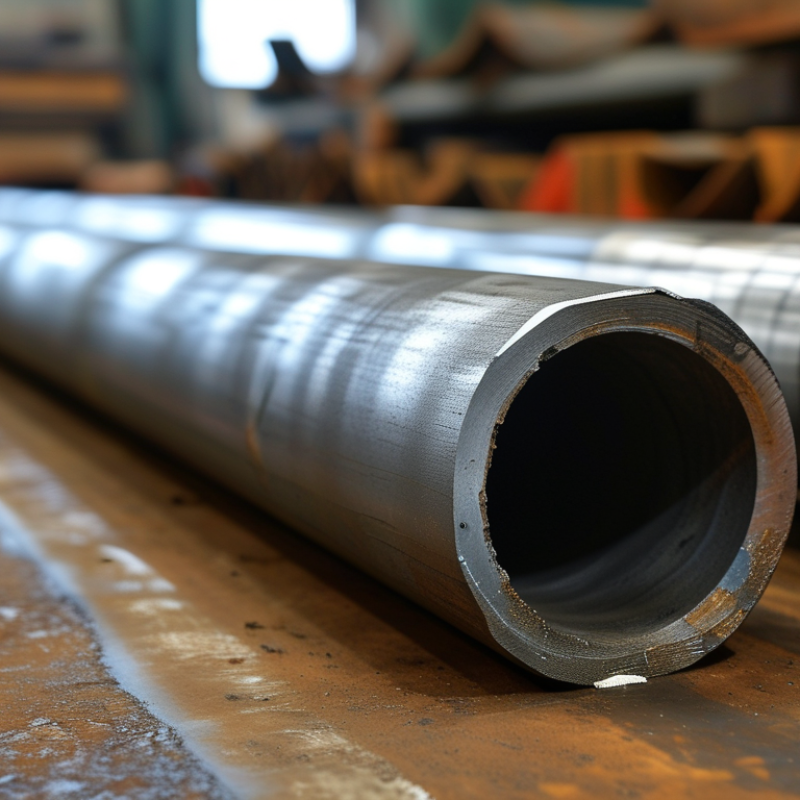
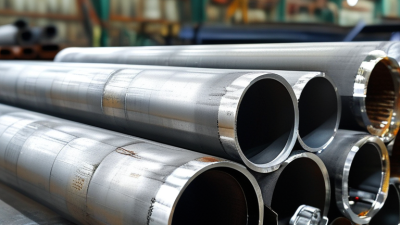
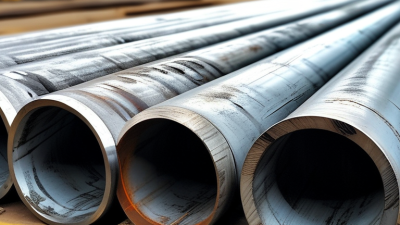
304 seamless steel tube is a corrosion-resistant stainless tube made without a welded seam. Its chromium and nickel content support durability in water, food-processing, chemical, and general industrial systems. The smooth internal surface can also reduce flow resistance. However, material quality varies. A tube may look polished while showing poor dimensional control or hidden surface defects.
Supplier selection matters because production consistency affects safety, service life, and installation cost. Reliable suppliers should provide clear material certificates, heat numbers, inspection records, and test results. Ask about tensile strength, hardness, wall thickness tolerance, and surface finish. Experienced suppliers can explain whether cold-drawn or hot-finished tubing suits your pressure, temperature, and forming needs. Be cautious with vague answers. Low prices sometimes hide incomplete testing, unstable lead times, or unsuitable grades. I have seen specifications treated as paperwork only, which is a mistake worth reconsidering.
Tips: Confirm the required grade and dimensions before requesting a quote. Check whether each bundle has traceable identification. Request sample inspection when tolerances are critical. Review packaging, because damaged ends can create problems during welding or assembly. A dependable supplier should communicate limits honestly, not promise perfect results for every application. Small details matter.
When evaluating 304 seamless steel tube suppliers, technical standards should guide the decision. A qualified supplier should identify the exact standard for production, inspection, and delivery. For process piping, ASTM A312 or ASME SA312 may apply. European projects may require EN 10216-5. The supplier must explain why a standard fits your service conditions. Do not accept vague claims. A certificate alone is not proof.
Ask for an EN 10204 3.1 material certificate with every shipment. It should list the heat number, chemical composition, tensile strength, yield strength, and elongation. Traceability must continue from raw billet to finished tube. I have seen documents with correct data but missing heat numbers. That small gap can weaken quality control. It deserves a clear explanation before purchase.
Testing should match the tube’s size, application, and risk level. Relevant checks may include hydrostatic testing, eddy current testing, ultrasonic inspection, and positive material identification. Request the inspection procedure and acceptance criteria, not only the final report. Confirm that testing equipment is calibrated and records are available. Dimensional inspection should cover outside diameter, wall thickness, length, and surface condition. Suppliers sometimes promise “zero defects,” which is not a useful technical statement. Ask what they actually inspect, how often, and against which requirement.
How to Choose 304 Seamless Steel Tube Suppliers?
When evaluating 304 seamless steel tube suppliers, start with evidence, not attractive brochures. Ask for recent inspection reports, heat numbers, chemical analysis, and mechanical test results. A dependable supplier should trace each tube back to its melt, heat treatment, and inspection records. Request an ISO 9001 certificate, but verify its validity and certification scope. For export projects, EN 10204 3.1 inspection documents may also be important. The required standard should match your application, such as ASTM A269 or another agreed specification.
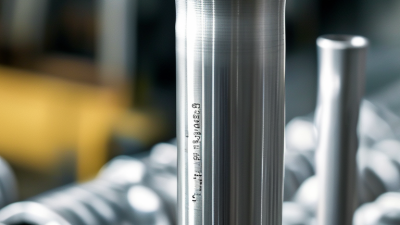
Production capability needs practical checking. Review the supplier’s piercing, cold-drawing, annealing, sizing, and finishing equipment. Ask how they control wall thickness, ovality, surface defects, and cleanliness. Testing may include PMI, hydrostatic testing, eddy-current inspection, and tensile testing. A qualified technical team should explain acceptance limits clearly. Sample reports can reveal more than sales claims.
Visit the factory if possible. Watch material labeling and storage conditions. Small details matter. Check whether production schedules include realistic capacity, maintenance time, and quality holds. One weakness is often overlooked: suppliers may show excellent samples but struggle with repeat orders. I would compare several batches, not one polished tube. No assessment is perfect. Record unanswered questions and treat vague responses as risks requiring further verification.
This assessment model shows a practical weighting for comparing suppliers of 304 seamless stainless steel tubes. The highest priorities are material compliance, quality control, and production capability.
Key checks: Confirm 304 chemical composition and mechanical properties against the required specification, such as ASTM A312 or EN 10216-5. Verify relevant quality certifications, review seamless manufacturing capacity and equipment, request inspection and test reports, and assess delivery performance using documented records.
Choosing a 304 seamless steel tube supplier requires more than comparing the lowest quotation. Ask for a detailed price breakdown covering tube dimensions, wall thickness, surface finish, cutting, packaging, freight, and inspection documents. A credible supplier should provide material certificates, dimensional tolerances, and a clear explanation of testing procedures. In practice, a low unit price can become expensive after special packing or urgent transport charges. I have seen buyers overlook these small costs.
Tips: Compare at least three written quotations. Check whether prices are based on kilograms, metres, or complete bundles. Confirm taxes, shipping terms, payment stages, and possible surcharges. Also ask whether the quotation remains valid for seven, fifteen, or thirty days. Small details matter.
Lead time should be divided into production time and delivery time. A supplier holding standard sizes may ship within days, while custom wall thicknesses can require several weeks. Request a realistic schedule with inspection, packing, loading, and transit dates. Do not accept “fast delivery” without a confirmed shipment window. For order fulfillment, clarify minimum quantities, partial shipments, replacement terms, and procedures for damaged tubes. A reliable supplier records batch numbers and sends packing photos before dispatch. The process may still have delays; weather, testing, or raw material changes can interfere. Therefore, build a modest time buffer instead of planning around perfect conditions.
| Supplier Profile | Typical Product Scope | Indicative Price USD/kg |
Minimum Order Quantity |
Standard Lead Time | Expedited Lead Time | Order Fulfillment Terms | Quality Documents | Commercial Assessment |
|---|---|---|---|---|---|---|---|---|
| Profile A Large-volume mill |
Common outside diameters and wall thicknesses; ASTM A312/A269-type applications; bright annealed or pickled finish | $3.20–$4.20 | 1–5 metric tons | 25–45 days | 15–25 days, subject to capacity | Usually 30% deposit and balance before shipment or against shipping documents; full-container orders preferred | Mill test certificate, heat number, dimensional report, packing list, certificate of origin | Best unit cost for planned volume |
| Profile B Stock-supported distributor |
Frequently used sizes held in regional stock; cut-to-length service; standard industrial tolerances | $4.40–$6.20 | 100–500 kg | 3–10 business days from stock | 1–3 business days for available sizes | Payment before dispatch or approved credit account; partial shipments commonly available | Material certificate, dimensional inspection report, traceability records when requested | Best for urgent and mixed-size orders |
| Profile C Custom-processing supplier |
Nonstandard dimensions, precision tolerances, special surface finish, custom cutting, deburring, and protective packaging | $5.00–$7.50 | 500 kg–2 metric tons | 35–60 days | 20–30 days when raw material is available | Milestone payment may apply; production begins after drawing and specification approval; change orders may affect delivery | Mill certificate, inspection plan, dimensional report, surface-finish report, packing specifications | Higher cost but strong specification control |
| Profile D Export-oriented manufacturer |
Container-volume orders; standard and metric sizes; export packing; third-party inspection available | $3.60–$4.80 | 2–10 metric tons | 30–50 days, excluding transit | Usually unavailable or subject to a premium | Commonly 20%–30% deposit; balance before shipment, against documents, or by agreed trade-finance terms | EN 10204 3.1 certificate, inspection report, heat traceability, export packing list, origin documents | Competitive for international bulk purchasing |
| Profile E Small-batch specialist |
Small quantities, prototype requirements, difficult-to-source sizes, and engineering support | $6.00–$9.00 | 25–100 kg | 15–30 business days | 7–15 business days where stock or semi-finished material exists | Payment in full or deposit before processing; flexible delivery quantities; higher cutting and handling charges | Certificate of conformity, material certificate when available, dimensional and visual inspection report | Best flexibility for low-volume purchases |
When choosing a 304 seamless steel tube supplier, ask questions that reveal how quality is controlled. Can the supplier provide a current material test certificate for each heat? Does it state chemical composition, tensile strength, yield strength, and elongation? Ask which standard covers production, dimensions, and tolerances. A vague answer deserves caution.
Request details about ultrasonic testing, eddy-current testing, hydrostatic testing, and surface inspection. Who performs these checks, and are the results traceable to the tube bundle? Ask for sample reports, not only general promises.
Confirm the outside diameter, wall thickness, straightness, and length tolerances before placing an order. Small differences can cause serious fitting problems during installation.
Ask how tubes are marked, packed, and protected from moisture. Are end caps used? Can the supplier provide photos of loading procedures? Discuss minimum order quantities, production capacity, realistic lead time, and replacement handling for nonconforming material. A reliable supplier should explain corrective action clearly.
Check whether the quality system is independently audited, and ask who approves final release. Do not rely on a certificate with no issuing body or date. I have seen attractive documents hide weak traceability. That mistake is easy to make. If possible, order a small trial batch and inspect it with an independent laboratory. Price still matters, but an unusually low quote may exclude testing, proper packaging, or dimensional control. Ask what is included.
13295445693