How to Choose the Best Stainless Steel Coiled Tube for Your Needs?
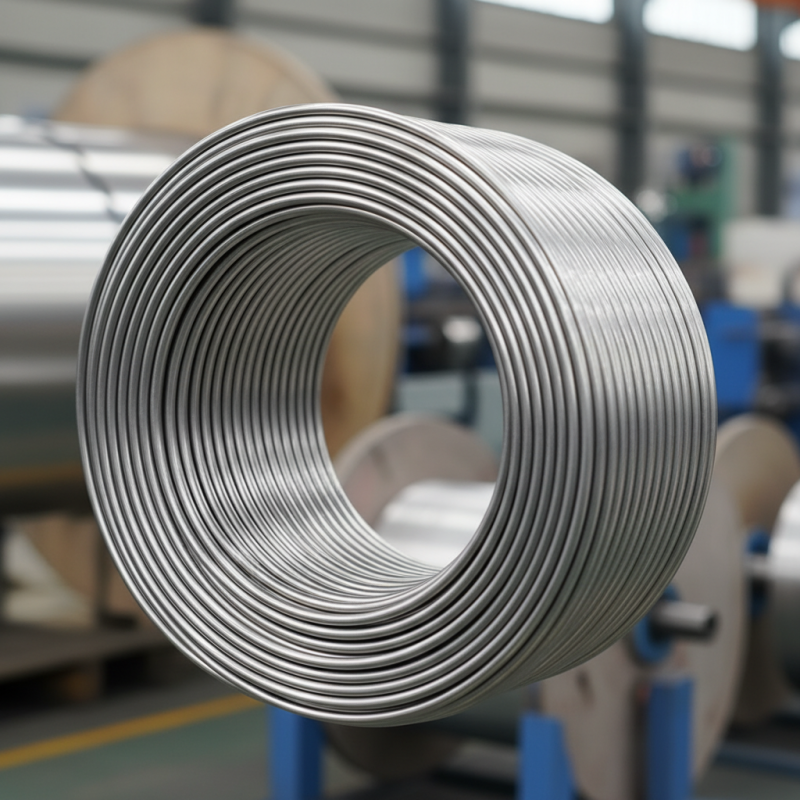
When selecting the best Stainless Steel Coiled Tube, you must consider various factors. The right choice can impact your project significantly. Understanding your specific needs is crucial. Different applications may require distinct attributes in stainless steel tubing.
Stainless Steel Coiled Tube offers durability and resistance to corrosion. However, not all tubes are created equal. Thickness, diameter, and coil length can vary widely. These variations affect performance and suitability for various environments.
Quality matters. Ensure the material meets industry standards. There is a tendency to overlook this aspect. Research reliable suppliers to obtain high-quality products. Evaluating options requires both expertise and caution. The best choices come from informed decisions that align with your project's demands.
Factors to Consider in Selecting Stainless Steel Coiled Tubes
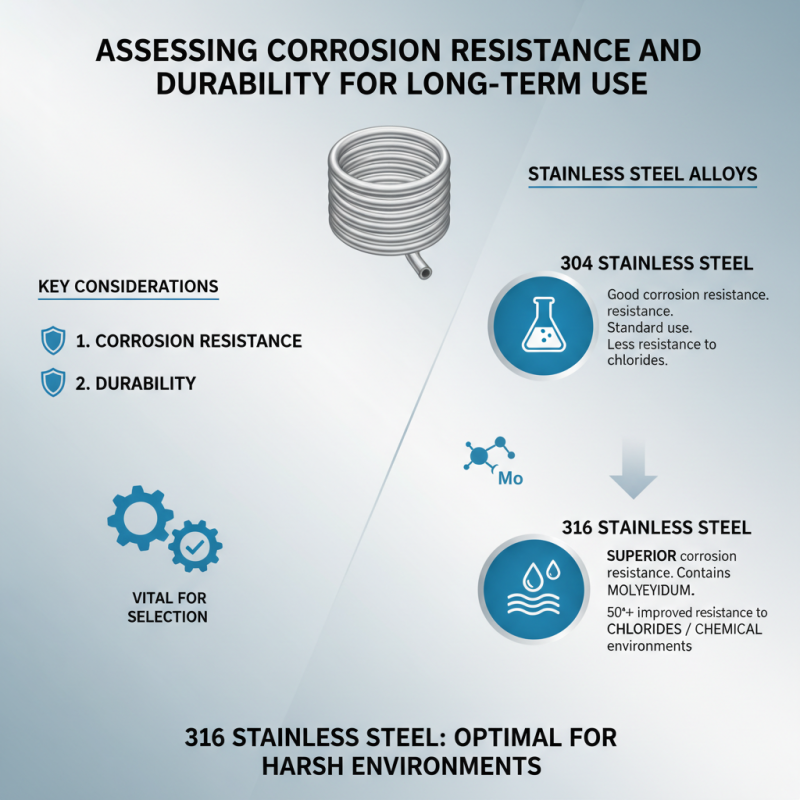
Selecting the right stainless steel coiled tube involves various factors. Understanding these factors is critical for making an informed choice. Material properties are paramount. Stainless steel offers corrosion resistance and durability. Grade selection, such as 304 or 316, is essential for specific applications. According to industry reports, 304 is widely used due to its balance of quality and cost. However, 316 provides superior corrosion resistance in harsher environments.
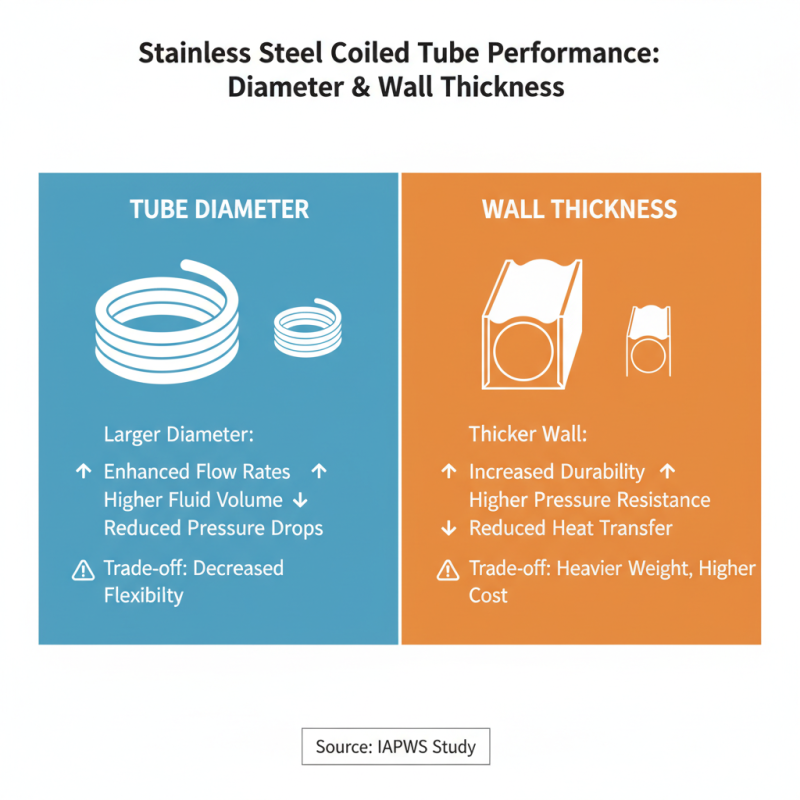
Another critical factor is the tube’s diameter and wall thickness. Smaller diameters are effective for tighter bends. On the other hand, thicker walls enhance pressure and thermal performance. Reports indicate that a proper wall thickness can enhance the lifespan by over 30%. Moreover, check the bend radius specifications. A tighter radius can sometimes lead to stress concentrations that may reduce overall integrity.
Lastly, consider the manufacturing process. Techniques like welding and seamless formation impact quality. A seamless tube typically offers better strength and reliability. Yet, welded options can be cost-effective for less demanding situations. Engaging with suppliers who provide detailed specifications and testing data can ensure you make a well-rounded decision. In this evolving industry, continually reassessing these factors is crucial for optimizing your material choices.
Factors to Consider in Selecting Stainless Steel Coiled Tubes
This bar chart illustrates the importance of various factors when choosing stainless steel coiled tubes. Corrosion resistance is paramount, followed by pressure rating, flexibility, cost-effectiveness, and weight. These factors play a crucial role in ensuring the right selection for specific applications.
Understanding Different Grades of Stainless Steel and Their Applications
When selecting the best stainless steel coiled tube, understanding the various grades of stainless steel is crucial. Stainless steel is categorized into several grades, mainly austenitic, ferritic, and martensitic types. The American Society for Testing and Materials (ASTM) outlines these classifications. For instance, the 304 grade, containing 18% chromium and 8% nickel, is widely used due to its excellent corrosion resistance and formability. Conversely, 316 stainless steel offers superior resistance to salt water, making it ideal for marine applications.
Different projects may demand specific stainless steel grades. For HVAC systems, 304 or 316 grades are frequently employed due to their durability and resistance to heat. A report from the International Stainless Steel Forum noted that these grades demonstrate a high strength-to-weight ratio and can withstand harsh conditions. However, projects may require careful consideration of cost versus performance. Higher-grade materials may be overkill for less demanding applications.
**Tip:** Always consult industry standards when choosing materials. Engaging with experienced professionals can help navigate the complexities of stainless steel grades.
Another aspect to think about is the manufacturing process. The production method can impact the final quality of the coiled tube. For example, coiled tubes made through seamless methods generally offer better structural integrity. Yet, welded tubes might be more affordable for certain applications. It’s essential to balance your project needs with budget constraints.
**Tip:** Consider the long-term application of the tube. This can influence your choice significantly, ensuring longevity and satisfaction.
Evaluating the Impact of Tube Diameter and Wall Thickness on Performance
When selecting a stainless steel coiled tube, the tube diameter and wall thickness are crucial factors. A study by the International Association for the Properties of Water and Steam indicates that a larger diameter can enhance flow rates. It allows for higher fluid volumes, reducing pressure drops. However, it is important to note that increased diameters may affect flexibility.
Wall thickness also plays a significant role in performance. Thicker walls improve pressure resistance but can add unnecessary weight. A report from the American Society for Testing and Materials highlights that optimal wall thickness can balance strength and ease of installation. For example, in high-pressure applications, a thinner wall might fail, while too thick can complicate maintenance.
It’s essential to assess these elements based on the specific application. Different industries may require varying specifications. For instance, medical tubing often prioritizes flexibility and minimal inner diameter. Energy sectors might focus on durability and flow efficiency. Thus, finding the right balance often requires trial and error. Custom solutions may be needed to achieve the best performance.
Comparing Coiling Processes: Welded vs. Seamless Stainless Steel Tubes
When selecting the right stainless steel coiled tube, understanding the coiling processes is crucial. There are two main types: welded and seamless tubes. Welded tubes are formed by welding flat metal strips into a tube shape. This method is generally more cost-effective and suitable for large production runs. However, welded seams can be a weak point, especially under high pressure.
Seamless tubes, on the other hand, are made from solid billets. This manufacturing process results in a tube without any seams. As a result, seamless tubes provide better mechanical properties and strength. According to industry reports, seamless stainless steel tubes currently achieve approximately 30-50% better pressure resistance compared to welded variants.
Tips: Consider the application area when choosing. If the tube will be used in high-pressure systems, seamless options might be preferable. Regularly evaluate your supplier's quality controls to ensure they meet industry standards.
While welded tubes are cost-effective, they may not always be sufficient for demanding environments. Always assess the specific requirements of your project before making a decision. Seamless tubes are often preferred in aerospace and oil industries due to their high performance. Be mindful, though, that seamless tubes can lead to higher costs, which may not fit every budget. Exploring multiple suppliers and options can offer better insights into pricing.
How to Choose the Best Stainless Steel Coiled Tube for Your Needs?
| Coiling Process |
Material Type |
Applications |
Advantages |
Disadvantages |
| Welded |
304 Stainless Steel |
Heat Exchangers, HVAC Systems |
Cost-effective, Easy to produce |
Weld seam may weaken structure |
| Seamless |
316 Stainless Steel |
Oil & Gas, Chemical Processing |
Higher strength, No weld seams |
More expensive, Complex production |
| Welded |
201 Stainless Steel |
Kitchen Equipment, Furniture |
Resource efficient, Good for aesthetic products |
Corrosive resistance lower than 304 |
| Seamless |
Duplex Stainless Steel |
Marine Applications, Pressure Vessels |
Excellent corrosion resistance, High durability |
High production costs, Limited availability |
Assessing Corrosion Resistance and Durability for Long-term Use
When selecting a stainless steel coiled tube, corrosion resistance and durability are vital. Stainless steel comprises alloys that enhance strength and resistance. Studies show that austenitic stainless steels, like 304 and 316, provide superior performance in corrosive environments. For example, 316 has molybdenum, which increases resistance to chloride corrosion by over 50% compared to 304. This makes it ideal for coastal or chemical environments.
Durability extends beyond corrosion resistance. The manufacturing process impacts the tube's lifespan. High-quality welding techniques create a strong bond without compromising structural integrity. A 2021 report noted that poorly welded tubes could lead to early failures, sometimes within five years. The right thickness also matters; thicker tubes withstand pressure better, reducing the risk of leaks.
However, choosing the right grade may not be straightforward. Factors such as the application environment and temperature play significant roles. Not all projects require the most expensive materials. Understanding your specific needs will lead to sound decisions. Balancing cost and performance is essential but often overlooked. Assess your requirements, which might change over time. Investing in the right material can enhance system longevity.