Why Choose 316L Coiled Tubing for Your Next Project?
When it comes to selecting the right materials for demanding projects, 316L coiled tubing stands out as a top choice. According to John Smith, a leading expert in the coiled tubing industry, “316L coiled tubing offers unmatched corrosion resistance and longevity in harsh environments.” This statement underscores the material's significant advantages.
316L coiled tubing excels in corrosive conditions, making it ideal for various applications. Engineers appreciate its durability. Yet, some may overlook the importance of material selection in their projects. The cost may tempt them to opt for alternatives. However, the long-term benefits of using 316L coiled tubing often outweigh initial savings.
Quality matters in this field. Decision-makers must consider performance, longevity, and overall project success. By prioritizing 316L coiled tubing, projects can achieve better outcomes in challenging settings. With this in mind, the choice becomes clearer for those who value reliability and expertise in their materials.
Advantages of 316L Coiled Tubing in Industrial Applications
316L coiled tubing is a popular choice in various industrial applications. This stainless steel alloy offers exceptional resistance to corrosion, making it ideal for harsh environments. Its low carbon content minimizes the risk of carbide precipitation, ensuring longevity in service. The durability of 316L tubing enhances operational efficiency and reduces maintenance costs.
One notable advantage is its excellent weldability and formability. 316L coils can be easily shaped and connected, streamlining project execution. However, fabricating 316L tubing can be intricate. Proper technique is crucial to avoid potential issues. Additionally, while 316L is robust against many chemicals, it is not invincible. Users should assess specific conditions to avoid overestimation of its capabilities.
In high-temperature environments, 316L coiled tubing maintains structural integrity. The alloy withstands temperature fluctuations and pressures. Yet, it is essential to regularly monitor for fatigue and stress. This ensures optimal performance and safety over time. So, while 316L is reliable, a proactive approach is necessary for long-term success.
Key Properties of 316L Stainless Steel for Coiled Tubing
When considering materials for your project, 316L stainless steel stands out. This alloy is known for its excellent corrosion resistance and durability. These properties make 316L ideal for coiled tubing applications, especially in harsh environments. The low carbon content in 316L helps prevent carbide precipitation. This feature is crucial for maintaining the integrity of welded joints.
The mechanical strength of 316L also plays a significant role. Its tensile strength provides reliable performance under pressure. This assures greater safety and longevity in various applications. Moreover, 316L stainless steel can withstand extreme temperatures. This versatility means it can be used in various industries, from oil and gas to chemical processing.
However, no material is perfect. The cost of 316L can be higher compared to other alloys. Some projects might not justify this investment. In those cases, considering alternatives is essential. It's important to weigh the specific needs of your project against the benefits offered by 316L stainless steel.
Comparative Analysis: 316L vs Other Materials for Coiled Tubing
When considering coiled tubing options, materials matter significantly. 316L stainless steel is a strong contender compared to other materials. It has excellent corrosion resistance, especially in harsh environments. This is crucial for projects in oil and gas, and marine applications. Its low carbon content also enhances weldability, making it easier to fabricate.
In contrast, carbon steel may be cheaper, but it lacks the same durability. It is prone to rust and degradation over time. Other alloys, like 304 stainless steel, offer some corrosion resistance. However, they are not as effective in chloride-containing environments. Choosing the right material ensures longevity and reduces maintenance costs in the long run.
Operating under the pressures of industry standards, engineers often face tough material choices. Each option has its pros and cons. The decision is not always clear-cut. Sometimes, unexpected challenges arise, requiring re-evaluation. In such cases, 316L stands out for its dependable performance, even when facing unforeseen complications.
Cost-Effectiveness and Longevity of 316L Coiled Tubing Solutions
When considering materials for your next project, 316L coiled tubing stands out for its cost-effectiveness and longevity. This tubing is made from a high-grade stainless steel alloy, which offers superior resistance to various corrosive environments. Industries ranging from oil and gas to pharmaceuticals frequently utilize it due to its durability and long lifespan. Its ability to withstand harsh conditions means fewer replacements over time, saving clients money in the long run.
Cost-effectiveness is not just about the initial purchase price. It's also about maintenance and lifecycle expenses. The robustness of 316L coiled tubing often reduces downtime, allowing projects to stay on schedule. Users appreciate the reduced maintenance costs, as less frequent replacements and repairs minimize disruptions. However, some might find the upfront investment higher compared to other materials. Yet, the long-term savings often justify the initial cost.
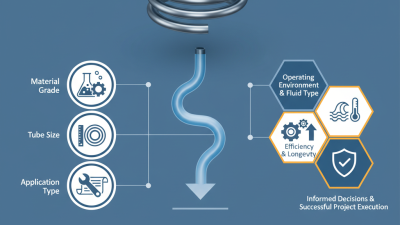
It's essential to consider the specific needs of your project. While 316L coiled tubing offers many benefits, it may not be the best fit for every scenario. Some applications might demand different materials. Analyzing the unique conditions and requirements of your project is crucial to making an informed decision. Ultimately, weighing the pros and cons can lead to a more effective outcome.
Common Uses and Applications of 316L Coiled Tubing in Various Industries
316L coiled tubing is a versatile solution widely used in various industries. It excels in applications that demand resistance to corrosion and high temperatures. The chemical industry often relies on 316L coiled tubing due to its durability and ability to handle aggressive substances. It ensures systems remain efficient and safe, making it a trusted choice.
In the oil and gas sector, 316L coiled tubing is frequently employed for downhole operations. Its strength and flexibility allow for effective deployment in challenging environments. However, considering the cost and availability is crucial. This material can be more expensive than alternatives, leading to budget considerations during project planning.
Tips: When selecting materials for your project, consider environmental factors. Corrosive environments may require further testing of material compatibility. Additionally, consult with industry experts to gain insights into specific applications. Understanding these nuances can lead to better material choices and successful project outcomes.