What Is Stainless Steel Coiled Tube?

What Is Stainless Steel Coiled Tube? It is a continuous-length tube formed from corrosion-resistant stainless steel and wound into a compact coil. Unlike straight tubing, it can travel through narrow spaces with fewer joints. That difference matters in instrumentation, heat transfer, chemical processing, and hydraulic control systems.

Stainless Steel Coiled Tube is commonly manufactured from grades such as 304, 316, and 316L. Each grade responds differently to chloride, temperature, pressure, and welding conditions. The coiling process also demands careful control. Excessive bending may reduce roundness, create residual stress, or damage the surface finish. A clean, smooth bore is essential when fluids must move without contamination or unwanted pressure loss.

Pierre-Jean Cunat, a recognized stainless steel specialist, explains, “The corrosion resistance of stainless steels is due to the formation of a very thin, invisible, adherent, and continuous chromium oxide film.” That passive film helps protect the tube, but it is not magic. Poor cleaning, trapped chlorides, incorrect alloy selection, or rough fabrication can still cause failure. A small caution matters.

In practice, engineers evaluate coil diameter, wall thickness, tensile strength, burst pressure, surface condition, and end connections. They also review manufacturing standards and inspection records before approval. The best tube is not always the thickest one. It is the tube that matches the actual service environment.

This article introduces the structure, manufacturing methods, advantages, limitations, and applications of Stainless Steel Coiled Tube. It also examines details that are sometimes overlooked, including installation stress and long-term maintenance. Some assumptions may need reconsideration. Real performance depends on design, material quality, and disciplined handling.

What Is Stainless Steel Coiled Tube?

Definition and Basic Structure of Stainless Steel Coiled Tubes

What Is Stainless Steel Coiled Tube?

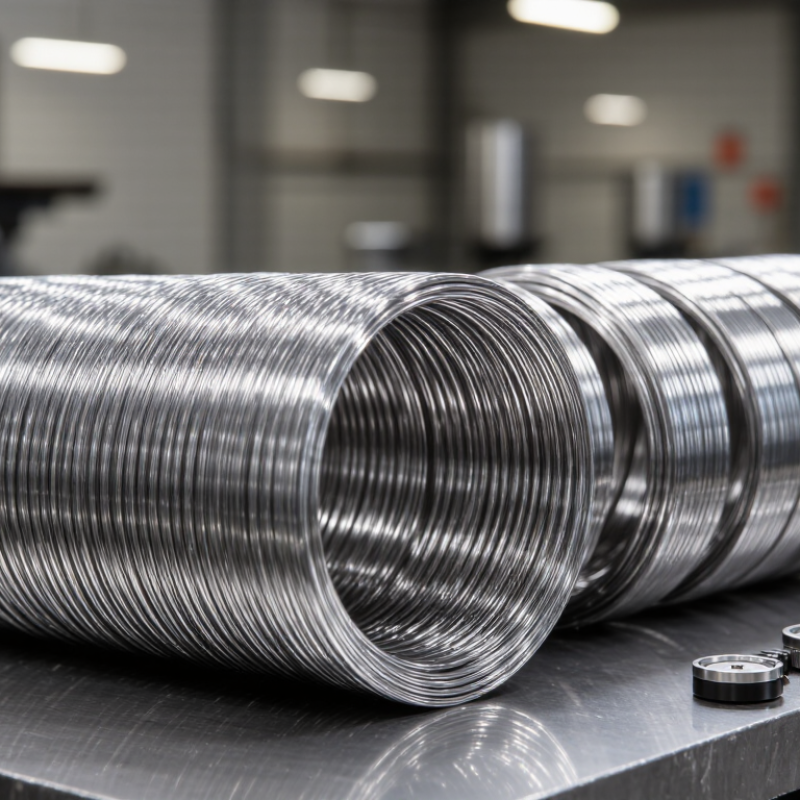
Stainless steel coiled tube is a continuous metal tube wound into a compact spiral. Unlike straight tubing, it can be transported and installed in long lengths. This reduces joints, leakage points, and field welding. The coil may contain hundreds of metres, depending on its outside diameter, wall thickness, and production method.

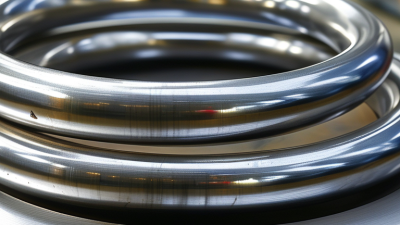
Its basic structure has four key elements: the tube wall, internal bore, outside surface, and helical coil shape. Manufacturers produce the tube as seamless or welded material. Seamless tubing offers a uniform body without a longitudinal weld. Welded tubing uses a formed strip and a controlled seam. Surface finishing also matters. A smooth inner bore supports stable flow and easier cleaning. The coil pitch controls handling, bending, and installation stress.

Material selection usually considers corrosion resistance, temperature, pressure, and fluid compatibility. Common stainless grades include austenitic and high-alloy options, but grade names alone do not prove suitability. ASTM A269 covers general-service stainless tubing, while ASTM A213 addresses seamless tubing for heat exchangers and boilers. Testing should include dimensions, surface condition, and pressure performance. A missed inspection can become an expensive weakness.

World Stainless reported 58.4 million tonnes of global stainless crude steel production in 2023. That figure shows the scale of stainless use, but it does not guarantee quality in coiled tubing. Reliable documentation still requires heat numbers, test certificates, and traceable manufacturing records. The practical detail is easy to overlook. A tube may look flawless outside while its inner surface needs closer examination.

How Stainless Steel Coiled Tubes Are Manufactured

What Is Stainless Steel Coiled Tube?

How Stainless Steel Coiled Tubes Are Manufactured

Stainless steel coiled tube is a long, flexible tube wound into compact loops. It supports continuous fluid transfer in heat exchangers, instrumentation, hydraulic systems, and process equipment. Its corrosion resistance depends on alloy selection, surface condition, and operating temperature. Tube performance begins with accurate material control.

Manufacturing starts with stainless steel strip or a seamless tube shell. Strip edges are cleaned, aligned, and formed around precision rolls. The edges are then joined through a controlled welding process. Weld quality matters greatly. Operators monitor heat input, alignment, and bead shape during production. Some tubes receive annealing to reduce forming stress and improve ductility. Others undergo cold drawing for tighter dimensions and smoother internal surfaces.

Inspection continues after forming. Technicians check wall thickness, outside diameter, ovality, surface marks, and weld integrity. Non-destructive testing can identify small discontinuities without damaging the tube. Pressure testing may follow, depending on the intended service. The finished tube is cleaned, passivated, and wound onto a spool with controlled tension.

Small defects can become serious during coiling. That is why bend radius and winding speed require careful adjustment. No manufacturing line is flawless. Even experienced teams must review inspection records and improve settings when results drift. A practical final check includes measuring the first and last coil turns, not only the middle section.

What Is Stainless Steel Coiled Tube?

Stainless steel coiled tubes are long, continuously formed tubes supplied in a wound coil. They are commonly produced by forming strip or tube stock, welding or drawing it to size, heat treating it, testing it, and coiling it for installation.

Representative Chemistry of Common Stainless Steel Grades

The chart shows representative midpoint values, in weight percent, calculated from published ASTM composition ranges for common stainless steel grades. Chromium supports corrosion resistance, nickel improves ductility and formability, and molybdenum increases resistance to chloride-related corrosion. These properties influence material selection before the tube is formed, heat treated, sized, inspected, and coiled.

Stainless Steel Grades and Their Performance Characteristics

What Is Stainless Steel Coiled Tube?

Stainless steel coiled tube performance depends strongly on grade, temperature, and the surrounding fluid. In practical service, 304 stainless steel provides reliable corrosion resistance for water, air, and many mild chemical environments. It also offers good formability for tight coiling. However, salt exposure can reveal its limits quickly.

316L contains molybdenum, which improves resistance to chloride pitting and crevice corrosion. It is often selected for coastal equipment, process lines, and heat exchanger tubing. The low carbon content supports cleaner welded areas. Still, 316L is not immune to concentrated chlorides or stagnant deposits. That detail is easy to overlook.

For elevated temperatures, 321 uses titanium stabilization to reduce harmful carbide formation after heating. Grade 347 uses niobium for a similar purpose and can perform well during repeated thermal exposure. Duplex grades, such as 2205, provide higher strength and strong chloride resistance, but their forming and welding require tighter control. A grade chart alone is not enough. Tube wall thickness, coiling radius, surface condition, and heat treatment also affect service life. Engineers should verify pressure, temperature, weld quality, and fluid chemistry before specifying a tube. Small errors in selection can become leaks, downtime, or premature replacement.

Common Industrial Applications of Coiled Tubes

Stainless steel coiled tube is a continuous metal tube supplied in long, wound lengths. Unlike straight pipe sections, it reduces connection points and supports compact installation. Its corrosion resistance, clean internal surface, and consistent dimensions suit demanding industrial systems. However, stainless steel is not automatically suitable for every fluid or environment.

In oil and gas operations, coiled tubes carry hydraulic control fluids, chemical injection solutions, and instrument signals. Their long, flexible form can simplify routing around valves and confined equipment. In chemical processing plants, they serve sampling lines, dosing systems, and small heat exchangers. Engineers often choose them where leaks, vibration, or frequent maintenance could create operational problems. Small details matter. Tube wall thickness, alloy selection, and bend radius affect pressure safety and service life.

Coiled tubes also support geothermal equipment, marine systems, and laboratory process skids. In heat transfer service, a continuous coil can provide a practical path through a tank or compact exchanger. I have found that installation quality often matters as much as material choice. Poor handling can cause ovality, scratches, or excessive stress at the supports. A design may look efficient on paper. Field access can prove otherwise. Engineers should verify temperature, pressure, fluid compatibility, fatigue exposure, cleaning requirements, and local standards before approval. The cheapest coil is rarely the lowest-cost option after replacement, downtime, and difficult maintenance are considered.

Selection, Installation, and Maintenance Considerations

What Is Stainless Steel Coiled Tube?

Stainless steel coiled tube is a continuous tube wound into compact loops for transport, storage, and installation. It supports fluid transfer, instrumentation, heat exchange, and hydraulic applications. Its stainless construction offers useful resistance to moisture, heat, and many corrosive environments.

Selection starts with the operating conditions. Match the tube grade to the fluid, temperature, pressure, and surrounding atmosphere. Check outside diameter, wall thickness, length, surface finish, and minimum bend radius. Seamless tubing may suit demanding pressure service, while welded tubing can work well in controlled conditions. Compatibility matters more than appearance. A bright surface does not prove suitability.

Installation requires controlled unwinding and proper support. Pulling the coil across a rough floor can create scratches and hidden dents. Use a reel stand, keep the tube aligned, and never force a sharp bend. Kinks are difficult to repair reliably. Cut ends should remain clean and square. Use compatible fittings, and complete a pressure or leak test before operation. For welded connections, protect the tube from contamination and excessive heat.

Maintenance should include visual inspections, joint checks, and records of pressure changes. Remove chloride deposits, dust, and process residue with approved cleaning methods. Avoid tools that embed carbon steel particles. Small details matter. In practice, operators sometimes inspect only exposed sections, missing corrosion beneath clamps or insulation. That habit deserves review. Replace damaged sections rather than hiding them with temporary repairs. Temperature cycling and vibration can also loosen supports over time.

What Is Stainless Steel Coiled Tube? - Selection, Installation, and Maintenance Considerations

Category Selection or Maintenance Factor Typical Data or Requirement Practical Consideration
Definition Product form Long stainless steel tubing supplied in a continuous spiral or helical coil It can reduce the number of field joints compared with straight tube sections.
Common Material 304 or 304L stainless steel General-purpose corrosion resistance for many indoor, water, and industrial services The lower-carbon “L” grade is preferred when welding may be followed by corrosive service.
Common Material 316 or 316L stainless steel Improved resistance to chlorides and marine environments compared with 304/304L 316L is commonly selected for welded systems, but it is not immune to chloride corrosion.
Tube Standard Material and dimensional specification ASTM A213 is commonly associated with seamless alloy and stainless steel boiler, superheater, and heat-exchanger tubing; ASTM A269 covers general-service austenitic stainless tubing The applicable standard should match the pressure, temperature, fabrication, and regulatory requirements of the project.
Outside Diameter Size selection Common small-bore sizes include approximately 3.2 mm to 25.4 mm outside diameter (1/8 to 1 inch) Select the diameter according to flow rate, allowable pressure loss, connection size, and available bending equipment.
Wall Thickness Pressure and mechanical strength Common light- to medium-wall tubing may range from about 0.25 mm to 1.65 mm, depending on diameter and specification Final wall thickness must be verified by pressure calculations, design code, corrosion allowance, and the tube specification.
Coil Length Continuous-run requirements Commercial coil lengths vary widely; tens to several hundred metres are common for small-diameter tubing Longer coils can reduce joints, but transport, handling, straightening, and installation space must be considered.
Temperature Operating and design temperature Austenitic stainless steels retain useful high-temperature strength, but allowable pressure decreases as temperature increases Use the allowable-stress tables in the governing design code rather than relying on a single maximum temperature value.
Pressure Rating Design verification Depends on outside diameter, wall thickness, material strength, temperature, manufacturing condition, and safety factor Do not estimate working pressure from tube size alone; obtain a documented rating or perform an approved calculation.
Bend Radius Installation geometry The minimum radius depends on tube diameter, wall thickness, temper, seam or seamless construction, and bending method Follow the tubing and tooling supplier’s minimum radius; excessive bending can cause ovality, wrinkling, or wall thinning.
Bending Method Cold forming Rotary-draw, roll, or dedicated tube-bending equipment may be used, depending on geometry Use properly sized dies and guides, and inspect the bend for flattening, cracks, scratches, and kinks.
Uncoiling Material handling Use a controlled payoff stand or spool; avoid pulling the tube from a loose coil on the floor Controlled uncoiling helps prevent twist, cross-over, sudden release, and permanent deformation.
Cutting End preparation Use a clean tube cutter or approved saw; remove burrs from the inside and outside diameter Metal chips and burrs can damage seals, restrict flow, or contaminate instrumentation and process systems.
Joining Mechanical or welded connections Compression, flare, orbital welding, or other qualified joining methods may be used according to the application Match the connection method to pressure, temperature, vibration, cleanliness, and inspection requirements.
Support Spacing Vibration and sag control Spacing is determined by tube diameter, wall thickness, fluid density, temperature, and vibration exposure Provide supports near bends and connections, while allowing thermal movement where required.
Cleanliness Internal and external condition Keep tubing capped or sealed during storage and installation to prevent dust, moisture, and foreign-particle entry Use stainless-compatible tools and avoid carbon-steel contamination on prepared surfaces.
Passivation Post-fabrication treatment May be required after welding, grinding, or iron contamination to restore a clean, corrosion-resistant surface Use an approved chemical or electrochemical procedure and thoroughly rinse and dry afterward.
Pressure Testing Commissioning and inspection Hydrostatic or approved pneumatic testing should follow the project specification and governing code Pneumatic testing stores considerably more energy than hydrostatic testing and requires enhanced safety controls.
Routine Inspection Condition monitoring Inspect for leaks, dents, discoloration, pitting, external corrosion, support damage, and loose connections Inspection frequency should reflect pressure, temperature, vibration, chemical exposure, and safety consequences.
Cleaning External surface care Use clean water and a mild, non-abrasive cleaner; remove salt deposits, process residue, and iron particles Avoid chloride-rich cleaners, steel wool, and cleaners that can leave corrosive residues.
Failure Prevention Corrosion and fatigue control Prevent stagnant chloride-containing deposits, unsupported vibration, sharp bends, and contact with dissimilar metals Correct the source of damage rather than simply replacing a leaking section.