Top Reasons to Choose Stainless Steel Coiled Pipe for Your Business?
In recent years, the demand for Stainless Steel Coiled Pipe has surged across various industries. According to a report by Market Research Future, the global stainless steel market is projected to reach USD 200 billion by 2025. This growth is driven by the material's exceptional corrosion resistance and durability. Stainless steel pipes are essential in sectors like construction, automotive, and energy.
Stainless Steel Coiled Pipe stands out due to its flexibility and ease of installation. They can adapt to different spaces, making them ideal for complex projects. The ability to withstand high pressures adds to their reliability. However, it is important to recognize that not all products meet the same standards. Quality can vary significantly between manufacturers.
Choosing the right supplier is crucial for ensuring the material's integrity. Businesses should conduct thorough research and prioritize established brands. The implications of using substandard products can be significant, leading to increased costs and safety risks. Investing in high-quality Stainless Steel Coiled Pipe can yield long-term benefits and greater efficiency.
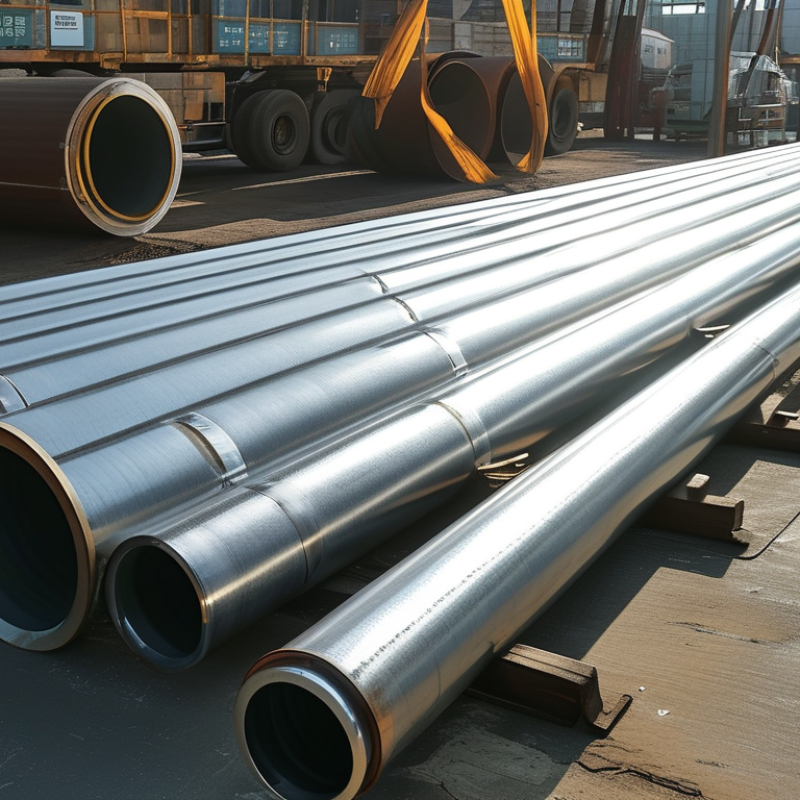
Benefits of Stainless Steel Coiled Pipe in Various Industries
Stainless steel coiled pipe is gaining traction across various industries due to its numerous benefits. The food and beverage sector appreciates its hygienic properties. According to a report by the National Association of Food Manufacturers, stainless steel accounts for about 70% of the materials used in food processing equipment. This high percentage highlights its importance for safety and cleanliness.
The construction industry also favors stainless steel coiled pipes. Their durability and resistance to corrosion make them ideal for structural applications. A study by the American Institute of Steel Construction found that stainless steel elements can last over 100 years with proper care. This longevity often offsets initial costs, making it a smart investment.
**Tip:** When selecting stainless steel products, consider the grade of the material. Higher grades often ensure better resistance against specific environmental factors.
Some challenges exist. Fabrication of stainless steel can be more complex than other metals. This may require specialized skills and equipment. Additionally, while costs can be higher upfront, the long-term benefits often outweigh these initial investments.
**Tip:** Evaluate your long-term needs before making a decision. Analyzing the total cost of ownership can reveal hidden savings.
Durability and Corrosion Resistance of Stainless Steel Coiled Pipe
Stainless steel coiled pipes are favored in many industries due to their exceptional durability and resistance to corrosion. According to a report by the International Stainless Steel Forum, stainless steel can resist corrosion in various environments, which adds to its longevity. This makes it an ideal choice for applications in marine, chemical, and food processing sectors.
Different grades of stainless steel provide varying degrees of corrosion resistance. For instance, Type 304 is widely used but may not withstand harsh chemicals as well as Type 316. Companies must consider their specific needs carefully. Having the right grade for the environment can save costs in replacement and repairs.
Tips: Always assess the environment where the pipe will be used. Testing can provide insights into the most suitable grade. Consider the potential for galvanic corrosion if stainless steel is used with other metals.
Investing in stainless steel coiled pipes is often seen as a reliable choice. The long-term cost savings of reduced maintenance and increased longevity make it a smart decision. However, businesses should not overlook the importance of proper installation. Mishaps can lead to unexpected failures and costs.
Cost-Effectiveness and Long-Term Value of Stainless Steel Coiled Pipe
Stainless steel coiled pipes have gained popularity due to their exceptional cost-effectiveness and long-term value. Their durability results in fewer replacements, which can significantly reduce operational costs. Unlike other materials, stainless steel resists corrosion and extreme temperatures. This feature not only extends the lifespan of the product but also minimizes maintenance costs.
When considering options for your business, think about installation efficiency. Coiled pipes are easier to handle and require less labor for installation. This can translate into lower immediate costs. Additionally, a well-installed system can mean fewer disruptions in operations, allowing for uninterrupted productivity.
Tips to consider include evaluating your specific needs before purchasing. Understand what diameter works best for your application. Another point is to weigh the long-term savings against the initial expenditure. While the upfront cost may be higher than other materials, the longevity of stainless steel often pays off over time. Lastly, ensure you source from reputable suppliers to guarantee material quality and reliability.
Top Reasons to Choose Stainless Steel Coiled Pipe for Your Business: Cost-Effectiveness and Long-Term Value
| Dimension |
Material |
Cost per Meter |
Lifespan (Years) |
Corrosion Resistance |
| 1/2 inch |
Stainless Steel 304 |
$5.00 |
20 |
High |
| 3/4 inch |
Stainless Steel 316 |
$7.00 |
25 |
Very High |
| 1 inch |
Stainless Steel 304 |
$8.00 |
20 |
High |
| 1 1/4 inch |
Stainless Steel 316 |
$12.00 |
25 |
Very High |
| 1 1/2 inch |
Stainless Steel 304 |
$15.00 |
20 |
High |
Versatility and Customization Options for Stainless Steel Coiled Pipe
Stainless steel coiled pipes offer unique versatility and customization options that cater to various industries. These pipes are available in different grades of stainless steel, such as 304 and 316, which provide additional corrosion resistance and durability. According to the global market report by Mordor Intelligence, the stainless steel pipes market is expected to grow at a CAGR of 4.5% from 2023 to 2028. This growth highlights the increasing demand for innovative piping solutions.
Customization is key for many businesses. Coiled pipes can be produced in various diameters and lengths, tailored to meet specific project requirements. This adaptability can significantly reduce installation time and costs. For instance, your system might require specific bends and fittings. With stainless steel coiled pipe, you can achieve complex configurations that standard pipes might not accommodate.
When considering options, think about the environment where the pipes will be installed. Factors like temperature extremes and exposure to chemicals can impact the pipe’s lifespan. Selecting the right grade and finish is crucial.
Here’s a tip: always request samples for testing before making a large purchase. Another tip is to consult with professionals who specialize in materials science. They can provide insights that might help you avoid costly mistakes. Always reflect on what you need versus what is available.
Environmental Impact and Sustainability of Using Stainless Steel Coiled Pipe
The demand for sustainable materials in industrial applications is rising. Stainless steel coiled pipe stands out for its environmental benefits. This material is 100% recyclable, making it a preferred choice. According to industry reports, stainless steel recycling uses about 60% less energy than producing new steel. This energy reduction significantly lowers carbon emissions, aligning with global sustainability goals.
Using stainless steel can also lead to reduced waste in manufacturing. The coiled design minimizes offcuts in production. Reports suggest that this efficiency can cut overall waste by up to 30%. Additionally, stainless steel's durability means a longer lifespan for products, which reduces the need for frequent replacements.
However, the initial costs can be high. Smaller businesses may hesitate due to budget constraints. It's essential to weigh long-term savings against upfront expenses. Overall, the environmental impact remains a critical consideration in choosing materials. The balance between cost and sustainability is complex but worth exploring for lasting benefits.