2026 Top Stainless Steel Coiled Tubing Sourcing Guide?
In the evolving landscape of industrial materials, Stainless Steel Coiled Tubing stands out as a crucial element. This type of tubing offers numerous benefits, such as durability and resistance to corrosion. Industries like oil and gas rely heavily on it. Its strength and flexibility make it a popular choice for various applications.
Selecting the right supplier is essential. Not all manufacturers meet industry standards. Quality control and material integrity are paramount for successful projects. Buyers must be cautious and seek reliable sources that provide transparent information about their products.
As we navigate the sourcing landscape in 2026, understanding the nuances of Stainless Steel Coiled Tubing becomes even more critical. With evolving technology, new suppliers emerge, yet not every option upholds the promised quality. This guide aims to shed light on the key factors that should influence decision-making, ensuring that investments align with long-term operational goals.
Overview of Stainless Steel Coiled Tubing Applications in 2026
Stainless steel coiled tubing is gaining traction across multiple industries, particularly in oil and gas, chemical processing, and pharmaceuticals. The global market for these applications is projected to reach approximately $3.5 billion by 2026, growing significantly due to their resistance to corrosion and high temperatures. This versatility makes them an essential choice for challenging environments, especially in offshore drilling and high-pressure applications.
In oil and gas sectors, stainless steel coiled tubing is crucial for enhanced oil recovery and well completions. A report by Industry Research shows that demand is rising by nearly 6% annually. These tubes offer reliable performance under extreme conditions. Applications in heat exchangers and boilers further highlight their durability. Notably, industries are now considering designs that reduce waste and improve sustainability.
Tip: When selecting coiled tubing for specific applications, evaluate not just the material but also the diameter and wall thickness. These factors influence performance and cost-effectiveness. Another consideration is to assess the tubing’s resistance to different chemicals in the intended environment. Such reflections can lead to better choices in procurement strategies.
Key Specifications and Standards for Stainless Steel Coiled Tubing
Stainless steel coiled tubing plays a critical role in various industries. Understanding its specifications is essential for quality sourcing. Key attributes include size, wall thickness, and material grade. The most common grades are 304L and 316L, known for their corrosion resistance. According to a recent market analysis, the demand for stainless steel tubing is projected to grow by 5% annually through 2026.
Standards such as ASTM A269 and ASTM A312 govern the manufacturing of these tubes. They ensure that coiled tubing meets specific mechanical properties and safety requirements. For instance, A269 covers seamless and welded stainless steel tubing for general service while A312 focuses on specific applications, including pressure systems. Designers should also consider the tubing's finish. A polished surface can enhance corrosion resistance and performance.
Additionally, it’s important to reflect on industry feedback regarding manufacturing consistency. Some users report variability in wall thickness, which affects overall strength. Thus, selecting a reliable supplier is crucial. Prioritizing quality and compliance will lead to better project outcomes. Ensure rigorous testing methods are in place to verify specifications before purchase.
2026 Top Stainless Steel Coiled Tubing Sourcing Guide
| Dimension |
Specification |
Standard |
Common Materials |
Applications |
| OD: 1/2" to 2" |
ASTM A269 |
ASME B31.3 |
304, 316, 316L |
Oil & Gas, Chemical Processing |
| Length: Up to 6000 ft |
ASTM A312 |
API 5CT |
Duplex Steel, Super Duplex |
Water Treatment, Heat Exchangers |
| Wall Thickness: 0.035" to 0.124" |
ASTM A213 |
NACE MR0175 |
Nickel Alloys |
Pharmaceuticals, Food Industry |
| Coil Type: Standard & Custom |
ASTM A240 |
ISO 9001 |
Alloy 20 |
Marine Applications, Aerospace |
Factors to Consider When Sourcing Stainless Steel Coiled Tubing
Sourcing stainless steel coiled tubing involves several critical factors that can significantly impact project outcomes. The material quality is paramount. According to a 2022 market analysis, approximately 30% of issues in tubing performance stem from subpar material quality. Look for certifications that confirm the tubing meets industry standards, such as ASTM or ASME specifications. These certifications assure the integrity of the material used.
Another vital aspect is the tubing's size and dimensions. Specifications must align precisely with project requirements. For instance, variations in wall thickness can alter pressure ratings. A report from the Steel Manufacturers Association notes that attention to dimensional tolerances can improve operational efficiency by up to 20%.
Additionally, consider the supplier’s reputation and reliability. An established supplier can provide valuable insights into material availability and lead times. Research suggests that 40% of sourcing failures are linked to poor supplier choices. Engaging with suppliers who have a proven track record can mitigate risks and enhance the overall sourcing experience. Always demand transparency regarding sourcing processes and material origins.
2026 Stainless Steel Coiled Tubing Characteristics
Top Manufacturers and Suppliers in the Stainless Steel Coiled Tubing Market
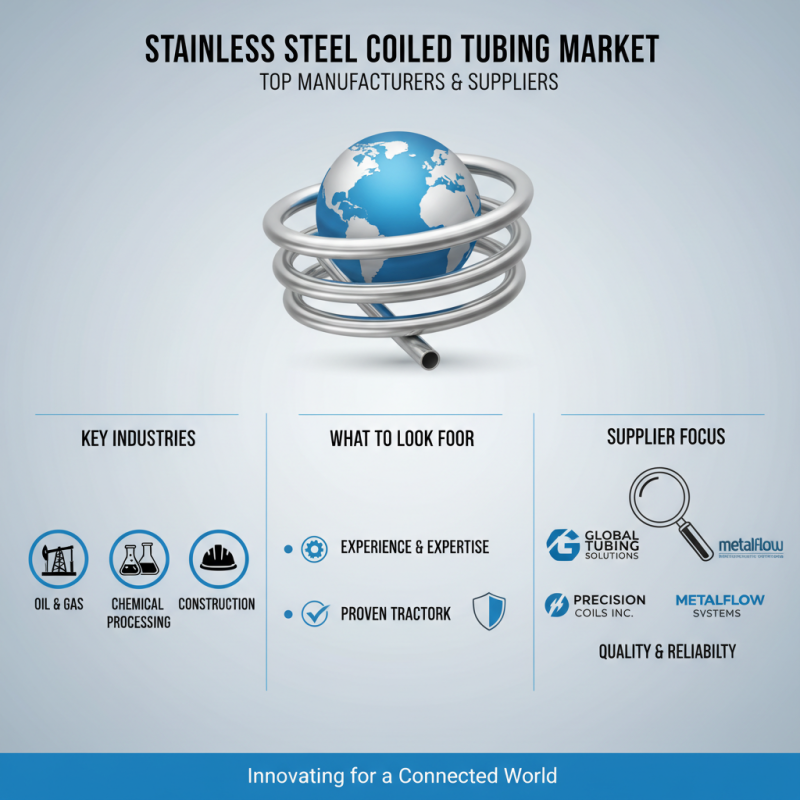
In the stainless steel coiled tubing market, identifying top manufacturers and suppliers is crucial. Many companies offer products suited for various industries, including oil and gas, chemical processing, and construction. The key is to focus on suppliers that highlight their experience and expertise in the field.
Innovative designs and advanced technology are common traits among leading suppliers. They continuously improve their products to meet changing demands. Many manufacturers provide detailed specifications, focusing on durability and efficiency.
However, it's important to consider potential drawbacks. Some companies may excel in production but lack adequate customer support. Reliability of delivery schedules can also be inconsistent. It's wise to conduct thorough research and reach out for recommendations to ensure that your supplier aligns with your needs. This proactive approach helps in sourcing the best stainless steel coiled tubing for your project.
Trends and Innovations in Stainless Steel Coiled Tubing for 2026
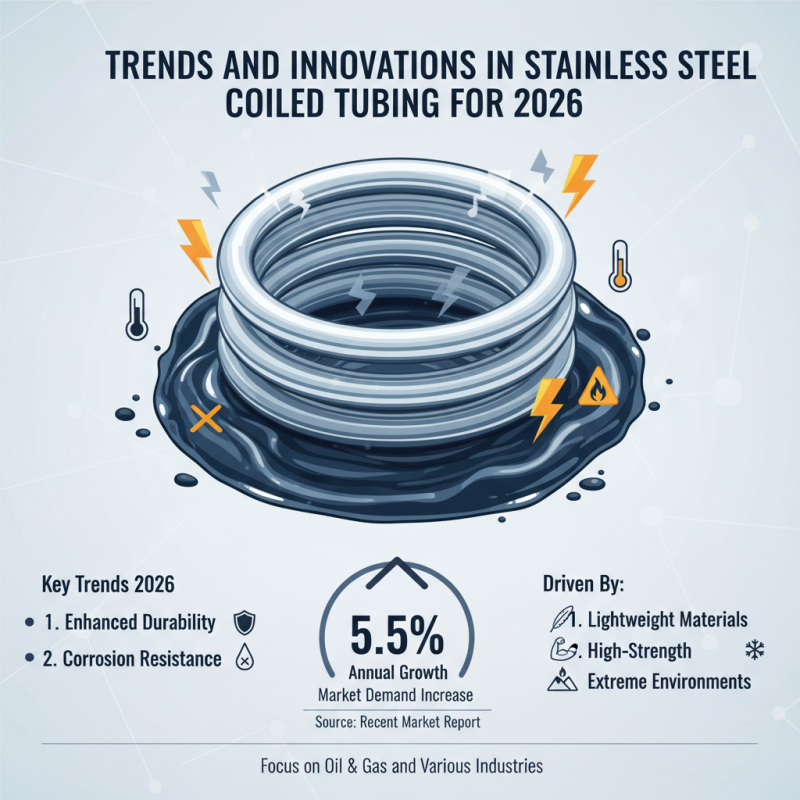
Stainless steel coiled tubing is gaining momentum in various industries, especially in oil and gas. In 2026, the trend focuses on enhanced durability and corrosion resistance. According to a recent market report, the demand for stainless steel coiled tubing is expected to grow by 5.5% annually. This growth is driven by the need for lightweight, high-strength materials that withstand extreme environments.
One notable innovation is the use of duplex stainless steel. This material offers superior strength compared to conventional alloys. Duplex tubing can handle higher operational pressures while reducing maintenance costs. However, sourcing quality duplex tubing remains a challenge. Manufacturers must ensure their processes uphold stringent standards. Potential buyers should be cautious of low-cost options that may compromise integrity.
Tips: Always verify the specifications of stainless steel before purchasing. Seek suppliers who provide transparent material certification. Regularly review industry standards to ensure compliance. Awareness of changing regulations can help mitigate risks in sourcing. Embracing these tips can enhance procurement strategies and secure the right materials for your projects. Data indicates that businesses adopting these practices tend to experience fewer supply chain disruptions.