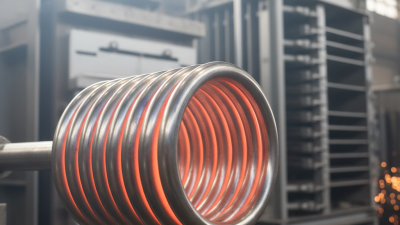
2026 Top Stainless Steel Coiled Tube Suppliers?
Choosing the right Stainless Steel Coiled Tube supplier in 2026 requires more than comparing prices. Engineers must examine material quality, production experience, testing records, and delivery reliability. A polished website proves little.
This guide introduces leading suppliers through practical, industry-focused criteria. It considers stainless steel grades, coil length, wall thickness, dimensional tolerance, surface finish, and pressure performance. It also reviews applications in heat exchangers, hydraulic systems, instrumentation, medical equipment, and energy projects. These details matter when tubing must fit a compact assembly or survive repeated temperature changes.
Reliable suppliers should provide clear mill certificates, traceability records, inspection reports, and consistent technical support. Independent testing can confirm chemical composition, tensile strength, hardness, and corrosion resistance. Ask difficult questions. Good suppliers should answer them clearly.
Real purchasing experience also reveals less visible factors. Packaging must protect each coil from moisture, scratches, and deformation. Lead times should match production schedules, not optimistic promises. Communication matters when specifications change at the last minute.
No supplier is perfect. Some offer excellent customization but limited stock. Others provide fast delivery but weaker documentation. This comparison recognizes those trade-offs instead of presenting a simple winner. Market conditions may also change during 2026, so buyers should verify current certifications, capacity, and export requirements before signing contracts.
The best choice depends on project risk, operating conditions, budget, and long-term service needs. Careful evaluation can reduce installation delays, premature failures, and unexpected maintenance costs. A strong supplier is not merely a seller. It is a technical partner that supports dependable performance from the first coil to final installation.
What Is a Stainless Steel Coiled Tube?
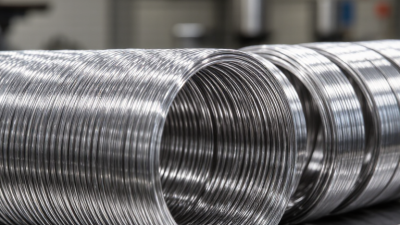
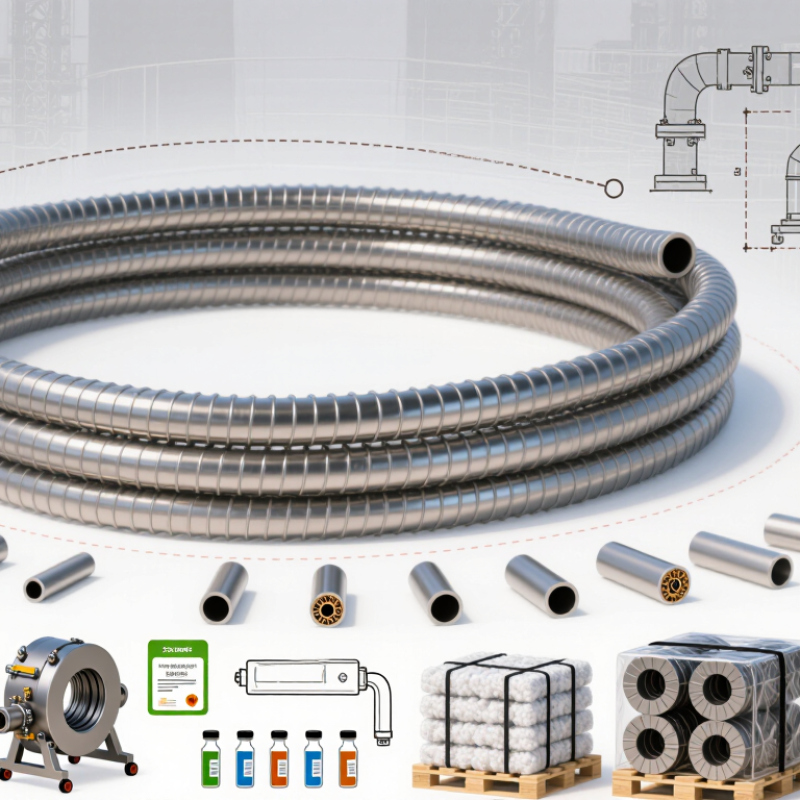
A stainless steel coiled tube is a continuous tube wound into a compact coil. It is usually produced from corrosion-resistant stainless steel strip or seamless tube. The coil shape allows long lengths with fewer joints. This supports heat exchangers, hydraulic lines, instrumentation, and offshore equipment. Common grades include 304, 316L, and duplex stainless steel. Each grade offers different resistance to chlorides, pressure, and temperature.
World Stainless reported global crude stainless steel production at approximately 58.4 million tonnes in 2023. This broad output supports steady demand for precision tubing, but production volume does not guarantee tube quality. In practical inspection, wall thickness, ovality, surface finish, and weld integrity matter more than a polished appearance. ASTM A269 covers many seamless and welded austenitic stainless steel tubes for general service. ASTM A213 applies to heat-exchanger and boiler applications. A supplier should provide material certificates, dimensional records, and pressure-test evidence. The label alone is not enough.
Tips: Match the tube grade to the fluid and environment. For seawater exposure, 316L may still need careful chloride assessment. Check coil length, minimum bend radius, and delivery tolerance before ordering. Ask whether the tube was solution annealed and passivated. I would also request a sample inspection; small defects can become expensive failures. This step is sometimes skipped, and that is a mistake.
Leading Stainless Steel Coiled Tube Suppliers in 2026
In 2026, leading stainless steel coiled tube suppliers are judged by more than low prices. Experienced suppliers match alloy, outer diameter, wall thickness, and coil length to the service environment. Common choices include 304L and 316L stainless steel. For corrosive fluids, engineers may specify 316L, but process conditions must confirm that decision. Good suppliers ask about pressure, temperature, bending radius, and cleaning requirements before quoting.
Reliable suppliers maintain heat-number traceability from mill certificate to finished coil. They provide dimensional reports, hydrostatic or pneumatic test records, and surface inspection results. Their facilities should control welding, annealing, straightening, and coiling tension. Small details matter. A tight coil with flattened turns can complicate installation and restrict flow. Buyers should request sample coils, bend tests, and production references for similar duties. Independent audits can reveal gaps that polished sales documents hide.
The strongest 2026 suppliers also support custom lengths, clean packaging, export documentation, and responsive technical service. They should explain tolerances instead of promising perfection. No supplier is flawless. Even a reputable producer may miss a delivery date or misunderstand a drawing revision. That risk deserves honest review, not marketing language. I would compare inspection plans, corrective-action records, and communication speed before placing a large order. A practical trial order can expose coil memory, surface marks, or inconsistent dimensions earlier than a factory visit.
Product Standards, Materials, and Manufacturing Capabilities
2026 Top Stainless Steel Coiled Tube Suppliers: Product Standards, Materials, and Manufacturing Capabilities
Reliable coiled tube sourcing begins with standards, not attractive catalogs. Suppliers should identify applicable ASTM, ASME, EN, or project-specific requirements clearly. Material certificates must match the heat number, grade, dimensions, and test results. Common options include 304L, 316L, duplex stainless steel, and nickel alloys. Each choice affects corrosion resistance, pressure performance, weldability, and cost. In practical reviews, 316L often suits chloride environments, but it is not automatically the best solution. Temperature, fluid chemistry, and forming conditions still matter.
Manufacturing capability separates a genuine supplier from a simple reseller. Check tube diameter ranges, wall-thickness tolerances, coil lengths, bending limits, welding methods, and heat-treatment controls. A capable factory should explain its eddy-current, hydrostatic, dimensional, and surface inspections. Traceability should continue from raw strip to final coil. Ask for sample inspection records, not only certificates. That small detail can expose weak process control. No supplier performs perfectly across every specification, and buyers should admit that early.
Tips: Request a trial coil before large production. Confirm ovality after coiling. Review weld maps and batch records. Ask how rejected material is controlled. If the answer sounds vague, pause. A second technical review may prevent expensive rework, although it can slow purchasing decisions slightly.
How to Choose the Right Supplier for Your Application
Choosing a stainless steel coiled tube supplier starts with the application, not the catalog. A tube for hydraulic instrumentation faces different risks than one used in a heat exchanger. Define pressure, temperature, fluid chemistry, bend radius, wall thickness, and required cleanliness. Small details matter.
The 2024 World Stainless statistical release reported global stainless crude steel production of about 58.4 million tonnes in 2023. That scale creates many sourcing options, but capacity does not prove technical suitability. Ask suppliers for material certificates, heat numbers, dimensional tolerances, and traceability records. ASTM A269 is commonly referenced for general-service stainless tubing, while ASME B31.3 may guide process piping design. Confirm the exact specification with your engineer.
Request sample coils before approving production. Check ovality after coiling, surface scratches, weld consistency, and springback during installation. For corrosive service, review molybdenum content and corrosion-test evidence. For high-pressure service, examine hydrostatic or eddy-current testing procedures. Do not accept vague claims.
A certificate is not enough.
The 2024 Quality Infrastructure report from the International Trade Centre emphasizes conformity assessment and traceability as important elements in reliable industrial trade. Still, I would not rely on documents alone. Visit the production site when possible, inspect calibration records, and ask how rejected coils are controlled. Delivery history also matters; a technically capable supplier that misses shutdown deadlines can create expensive operational risk. My own selection process would include a trial order, although this step is often skipped under schedule pressure.