Top 10 Uses for ASTM A269 304 Capillary Pipe in Various Industries?
The ASTM A269 304 Capillary Pipe is a vital component in various industries. Its unique characteristics make it suitable for diverse applications. This article explores the top ten uses of this remarkable pipe.
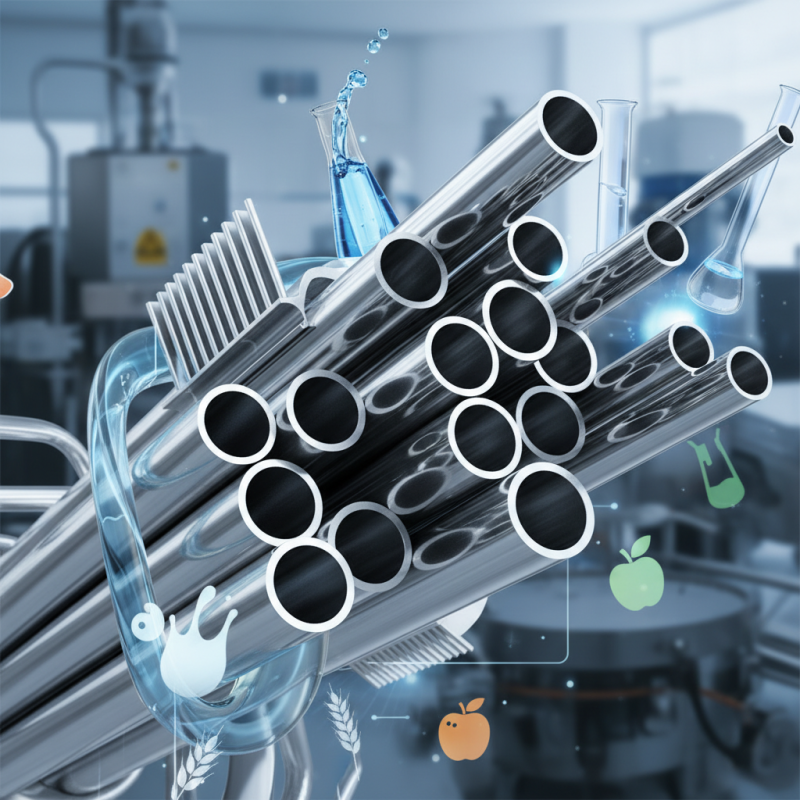
Industries rely on the ASTM A269 304 Capillary Pipe for its durability and resistance to corrosion. It is widely used in heat exchangers, where efficient thermal transfer is essential. Additionally, this pipe plays a critical role in the pharmaceutical sector. Here, it ensures the safe transport of sensitive liquids.
In the food industry, the ASTM A269 304 Capillary Pipe is indispensable. It maintains the quality of food products during processing. Despite its versatility, some users may underestimate its potential. Reflecting on its uses can reveal new possibilities. The time spent understanding this resource is time well spent.
Applications of ASTM A269 304 Capillary Pipe in the Pharmaceutical Industry
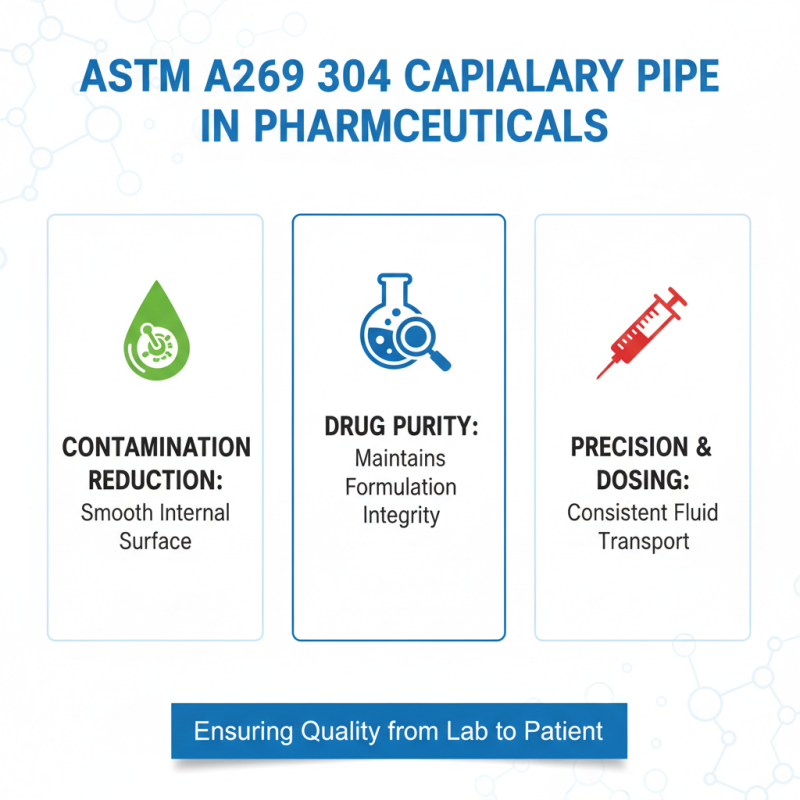
The ASTM A269 304 capillary pipe is vital in the pharmaceutical industry. Its smooth internal surface reduces the risk of contamination. This quality helps maintain the purity of the drugs during manufacturing. In this field, precision is paramount. Capillary pipes easily transport fluids with minimal turbulence. Thus, they ensure consistent dosing and formulation.
When considering options, keep in mind that not all capillary pipes are the same. Examine the specifications closely. Pay attention to wall thickness and diameter. These factors affect flow rates significantly. Many people overlook these details, leading to inefficiencies.
Tips: Always conduct regular inspections. Check for signs of wear or corrosion. This practice extends the lifespan of the piping system. Choose materials that can withstand a range of chemicals. That choice can prevent costly failures in the long run. Regular maintenance ensures the system operates smoothly.
Role of ASTM A269 304 Capillary Pipe in Food Processing and Safety
The ASTM A269 304 capillary pipe plays a crucial role in food processing and safety. Made from stainless steel, it resists corrosion, making it suitable for handling various food products.
According to data from the Food and Drug Administration (FDA), the material's smooth surface prevents contamination, ensuring that food remains safe for consumption.
In food processing plants, this capillary pipe is often used in temperature control systems. Proper temperature management is critical to inhibit bacterial growth. Industry reports highlight that maintaining temperatures below 5°C can reduce spoilage by up to 50%. A capillary pipe's efficiency in thermal conductivity aids in achieving these vital temperature thresholds.
Tips: Always inspect the piping for any signs of wear or corrosion. Regular maintenance can extend the lifespan of the pipes. Also, ensure that cleaning protocols are strictly followed to avoid cross-contamination.
Operators may overlook the importance of proper installation. Incorrect angles or fittings can lead to leaks, risking food safety. Awareness of these potential oversights can significantly enhance overall operational efficiency and safety standards in food facilities.
Utilization of ASTM A269 304 Capillary Pipe in Oil and Gas Sector
The oil and gas sector heavily relies on the ASTM A269 304 capillary pipe for its unique properties. These pipes offer excellent corrosion resistance. They can withstand harsh environments present in drilling and extraction processes. According to industry data, nearly 30% of all pipeline materials used in oil fields are stainless steel, with A269 304 being a popular choice.
The small diameter of capillary pipes allows for precise fluid transfer. This feature is essential in maintaining pressure and flow rates in refining operations. Reports indicate that using capillary tubes can improve efficiency by up to 25%. However, challenges like weld integrity and thermal expansion sometimes need attention. Proper installation techniques are crucial to avoid leakage issues down the line.
Tips: Always verify the compatibility of materials with the specific fluids used. This practice can save costs in maintenance. Monitor stress points regularly. Small cracks can lead to significant failures. Reviewing installation protocols will enhance the overall system reliability and safety.
Advantages of ASTM A269 304 Capillary Pipe for Chemical Processing
ASTM A269 304 capillary pipe plays a crucial role in the chemical processing industry. Its small diameter allows for precise fluid control. This is vital in processes like chromatography, where accuracy is key. The pipe's exceptional corrosion resistance ensures longevity in harsh chemicals. It withstands extreme temperatures without losing integrity. Many manufacturers appreciate these characteristics for their reliability.
The flexibility of ASTM A269 304 capillary pipe adds another layer of benefit. It can be bent and shaped to fit specific applications. This flexibility can also pose challenges in installation. Care must be taken to avoid kinking or damaging the pipe during setup. Moreover, while its benefits are clear, the initial costs can be a concern for some businesses. Balancing upfront investment against long-term durability is crucial.
Overall, the advantages of this capillary pipe make it a preferred choice for many chemical processes. Its strength and reliability contribute to safer operations. However, users must be aware of potential installation issues. Understanding these factors ensures optimal performance throughout its lifecycle.
Impact of ASTM A269 304 Capillary Pipe in HVAC Systems and Solutions
The use of ASTM A269 304 capillary pipes in HVAC systems plays a significant role in enhancing efficiency and performance. These pipes are known for their excellent corrosion resistance, making them suitable for a variety of environments. According to a report from the International Institute of Refrigeration, improper material selection can lead to equipment failures and increased maintenance costs. The right choice can reduce these risks significantly.
In a recent study, nearly 30% of HVAC systems experienced performance issues due to inferior piping materials. This highlights the importance of using high-quality ASTM A269 304 capillary pipes. Their fine diameter allows for precise fluid transport, which is essential for maintaining optimal system pressure. Additionally, a well-designed HVAC system can increase energy efficiency by up to 20% when the correct materials, like these capillary pipes, are utilized.
Integration challenges exist, though. While ASTM A269 304 pipes offer numerous benefits, they can be more challenging to install than traditional alternatives. Proper training and techniques are crucial for maximizing their advantages. Industry experts recommend regular inspections and evaluations to ensure that these pipes are functioning optimally. In conclusion, while the potential for improved HVAC performance is evident, careful planning and execution are necessary.