Top Features of 310s Stainless Steel Pipe for Industrial Applications?
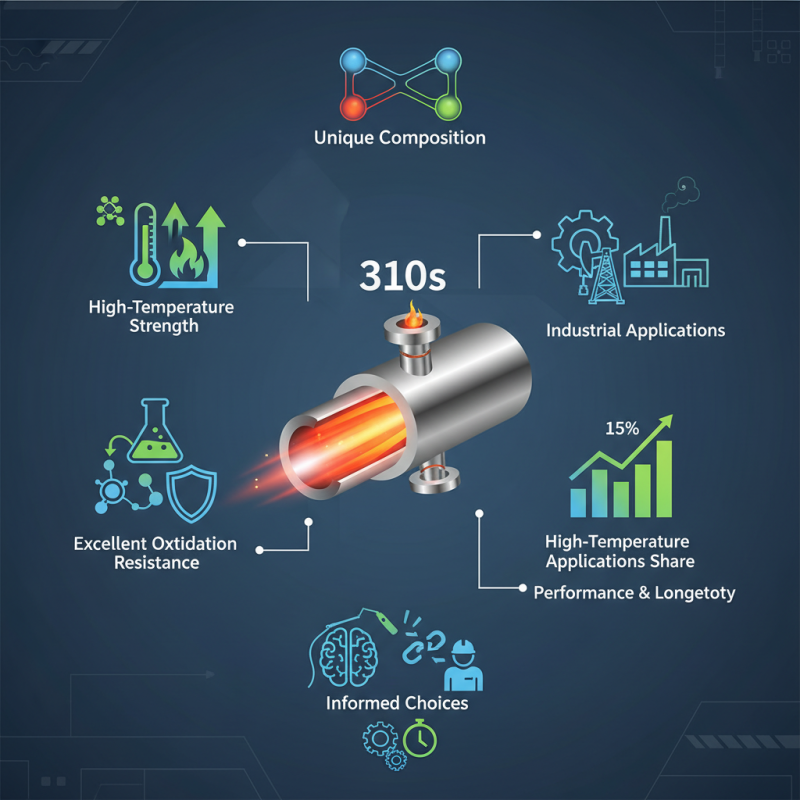
The industrial sector continually seeks materials that offer durability and resistance to high temperatures. One product that meets these demands is the 310s Stainless Steel Pipe. This type of pipe is recognized for its excellent oxidation resistance and high-temperature strength, making it ideal for industries like petrochemical and furnace construction. According to a recent report by the International Stainless Steel Forum, over 15% of stainless steel produced in recent years has been used for high-temperature applications.
Dr. John McCarthy, a noted expert in materials science, states, "The versatility of 310s Stainless Steel Pipe can significantly enhance the performance of industrial systems." Its unique composition, rich in chromium and nickel, allows it to endure harsh environments. Yet, some users have reported challenges with welding and fabrication, which require skilled personnel and precise techniques.
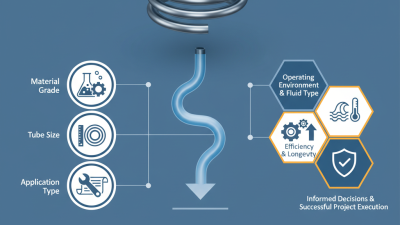
Understanding the features and limitations of 310s Stainless Steel Pipe is crucial for manufacturers. Making informed choices can lead to better performance and longevity in various applications. As industries evolve, recognizing both the strengths and weaknesses of materials like the 310s will drive innovation and efficiency.
Key Properties of 310s Stainless Steel for Industrial Use
The 310s stainless steel pipe is essential in various industrial applications. Its high chromium and nickel content makes it resistant to oxidation. This property is crucial in high-temperature environments. Industries that deal with heat often rely on this material.
Another key property is its ability to withstand extreme temperatures. With a maximum service temperature of around 1100°C, it performs well in furnace components and heat exchangers. The strength of 310s ensures durability, but it can be costly. Many companies find the price a barrier when considering this option.
Weldability is another notable aspect. While it offers good weldability, the process requires care. Improper techniques can lead to distortion. Additionally, the corrosion resistance is impressive but requires maintenance. Regular checks can prevent unexpected failures. Industrial users must weigh these benefits against operational challenges.
Corrosion Resistance of 310s Stainless Steel Pipes
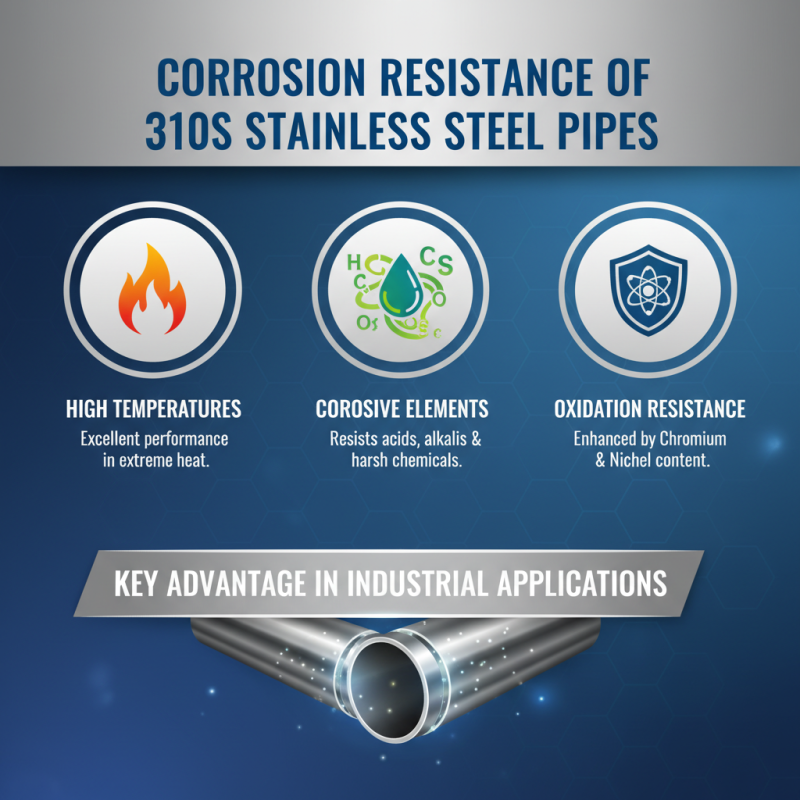
The corrosion resistance of 310s stainless steel pipes is one of their key advantages in industrial applications. This material is specially designed to withstand harsh environments. It performs well under high temperatures and in the presence of corrosive elements. The chromium and nickel content enhances its oxidation resistance, making it suitable for extreme conditions.
In many industries, equipment faces constant wear from corrosive substances. The 310s stainless steel pipes handle these challenges effectively. However, while they resist corrosion, they are not completely impervious. Certain chemicals can still cause degradation over time. Regular inspections are necessary to ensure their longevity.
Another factor to consider is the welding process. When joining 310s pipes, improper techniques can lead to weak points. These weak areas may corrode faster than expected. Controlling the heat input during welding is crucial. By being cautious and attentive, workers can maximize the benefits of these pipes in their applications.
Temperature Tolerance and Strength of 310s Stainless Steel
310s stainless steel is widely recognized for its impressive temperature tolerance and strength. This material excels in high-temperature environments, often exceeding 1100 degrees Celsius. Industries benefit significantly from its ability to withstand harsh conditions. Many applications require reliable materials, and 310s stands out for its durability.
The strength of 310s stainless steel is notable as well. It possesses excellent resistance to oxidation and corrosion. This allows it to maintain its integrity over time. However, it’s important to consider that while it’s strong, it can be vulnerable in specific situations. For example, exposure to acidic environments may impact its durability. Hence, careful material selection is crucial.
Designers must evaluate the specific conditions of use. The interplay of temperature and mechanical stress can lead to unexpected failures. Understanding the limits of 310s stainless steel is essential for long-lasting applications. In industrial settings, small oversights in material selection can have costly consequences. Balancing strength and vulnerability is key in these choices.
Applications of 310s Stainless Steel Pipes in Various Industries
310s stainless steel pipes are versatile components in various industries. Their high levels of chromium and nickel provide excellent resistance to oxidation and corrosion. This feature makes them ideal for high-temperature applications, such as in petrochemical plants. The pipes often endure extreme heat and harsh chemical environments, ensuring reliable performance over time.
In the food and beverage industry, 310s stainless steel pipes are favored for their hygienic properties. They do not harbor bacteria or fungi, which is essential for maintaining product safety. Additionally, these pipes are easy to clean, which simplifies maintenance. However, the cost of 310s pipes can be a concern for some, as they are pricier than other options.
Furthermore, in power generation, these pipes manage steam and gas at high temperatures. Their durability contributes to efficient energy production. Despite their advantages, industries must carefully evaluate the application's specific needs. Balancing cost with performance is crucial for optimal results.
Top Features of 310s Stainless Steel Pipe for Industrial Applications
Maintenance Considerations for 310s Stainless Steel Pipelines
When maintaining 310s stainless steel pipelines, understanding corrosion resistance is essential. This steel is known for its high chromium and nickel content, which provide robustness against oxidation. However, even with its superior properties, it is not immune to corrosion if neglected. Regular inspections are vital. They help in identifying any rust or pitting that may develop.
Tips: Inspect joints and welds. They are common weak points.
Another critical consideration is temperature changes. 310s pipes can withstand extreme heat, but thermal cycling can cause stress. Over time, this may lead to cracks. Proper thermal management is crucial to enhance the lifespan of the pipeline. Industry reports suggest that around 30% of failures in pipelines arise from thermal stress.
Tips: Monitor temperature fluctuations closely. Adjust insulation as needed.
Lastly, cleaning is a necessary practice. While 310s is resistant to many substances, buildup can still occur. Accumulation may affect flow and lead to blockages. It’s essential to choose the right cleaning agents that won’t harm the stainless steel. Regular maintenance checks and proactive cleaning can prevent significant issues down the line.
Top Features of 310s Stainless Steel Pipe for Industrial Applications
| Feature |
Description |
Maintenance Consideration |
| High Temperature Resistance |
Can withstand temperatures up to 1150°C (2100°F). |
Regularly check for thermal expansion and contraction effects. |
| Corrosion Resistance |
Excellent resistance to oxidation and corrosion in high temperatures. |
Inspect joints and welds for signs of corrosion regularly. |
| Durability |
Extremely durable and strong, suitable for harsh environments. |
Evaluate structural integrity periodically to prevent failures. |
| Versatile Applications |
Used in petrochemical, power generation, and heat exchanger industries. |
Tailor maintenance schedules based on specific application demands. |
| Ease of Fabrication |
Can be easily formed and welded for various configurations. |
Ensure proper welding techniques to maintain integrity. |