How to Choose the Right 304l Steel Pipe for Your Project?
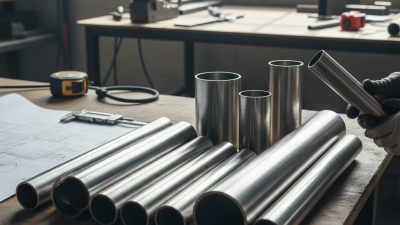
Choosing the right 304l Steel Pipe for your project can be challenging. This alloy is known for its excellent corrosion resistance and durability. However, not all applications demand the same specifications. Evaluating your specific needs is essential. You need to consider factors like thickness, diameter, and any additional treatments.
For instance, the environment where the 304l Steel Pipe will be used is crucial. Is it meant for high-pressure systems, or more for decorative purposes? Understanding these details will guide your selection process. It’s not just about choosing a pipe; it’s about choosing the right solution.
Mistakes can be costly. Selecting an inappropriate 304l Steel Pipe may lead to unexpected failures. This requires reflection on your needs and expectations. Don't rush the decision. Make sure you understand all variables before proceeding. Your project’s success depends on it.
Understanding 304L Steel Pipe Properties and Specifications
When selecting a 304L stainless steel pipe, understanding its properties is crucial.
This material is known for its excellent corrosion resistance. It performs well in both acidic and alkaline environments.
This makes it suitable for various applications, including industrial piping and food processing.
One key characteristic of 304L is its low carbon content.
This offers better weldability and minimizes the risk of carbide precipitation during welding. However, the lower carbon levels can sometimes lead to reduced strength in high-temperature scenarios.
Careful consideration of your project's temperature requirements is important.
Measuring the pipe's diameter and thickness is also essential.
The correct dimensions impact the flow rate and pressure handling.
Improper sizing can lead to inefficiencies. Always ensure that you match the specifications with your project's demands.
These details may seem minor but can significantly affect performance.
Identifying Project Requirements for Steel Pipe Selection
Choosing the right 304L steel pipe for your project starts with identifying your specific requirements. The application environment is critical. For example, 304L stainless steel demonstrates excellent corrosion resistance, especially in acidic conditions. This makes it popular in the food, pharmaceutical, and chemical industries. Data from the ASTM shows that 304L has a maximum carbon content of 0.03%, which enhances its weldability. However, while it’s a versatile option, not all projects require its unique benefits.
Next, consider the pressure and temperature. 304L steel pipes can handle high temperatures up to 800°C. Some reports indicate they can withstand pressures of around 1000 psi in certain conditions. However, using them in high-stress applications may lead to unexpected failures. Regular inspections and validations are necessary to ensure performance under these circumstances. Project managers often overlook this aspect, assuming that the material will always perform as expected. Understanding these variables can prevent costly mistakes later on.
Comparison of 304L Steel Pipe Applications
This chart illustrates the various applications of 304L steel pipes and the estimated usage percentages in different industries.
Evaluating the Different Applications of 304L Steel Pipes
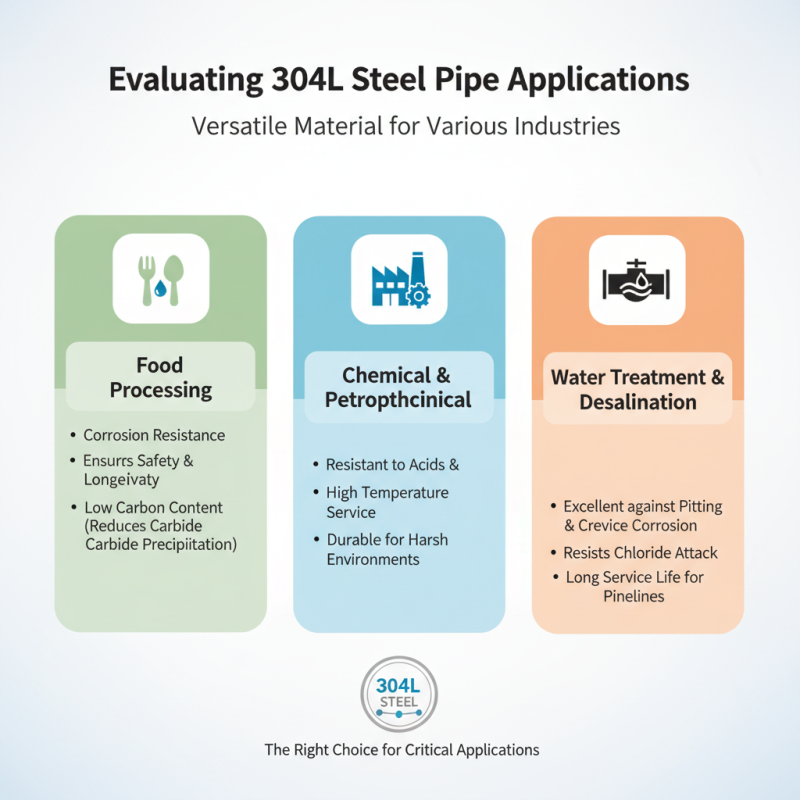
Choosing the right 304L steel pipe depends largely on its applications. This versatile material is popular in many industries. For example, it excels in food processing. Its resistance to corrosion ensures safety and longevity. In such environments, cleanliness is critical. 304L's low carbon content helps reduce carbide precipitation.
Additionally, 304L steel pipes are often used in chemical plants. They can withstand harsh chemicals and high temperatures. However, not every pipe will perform equally well under all conditions. Evaluating the specific environment is vital. Some may overlook the importance of pressure ratings. This could lead to failures.
Another key application is in construction. Architects favor 304L for its aesthetic appeal and strength. Yet, it may not be suitable for every structural need. Assessing load-bearing capabilities is essential for safety. Ignoring these details can result in costly mistakes. Taking the time to analyze the specific application is crucial for success.
Comparing 304L Steel Pipe with Other Types of Stainless Steel
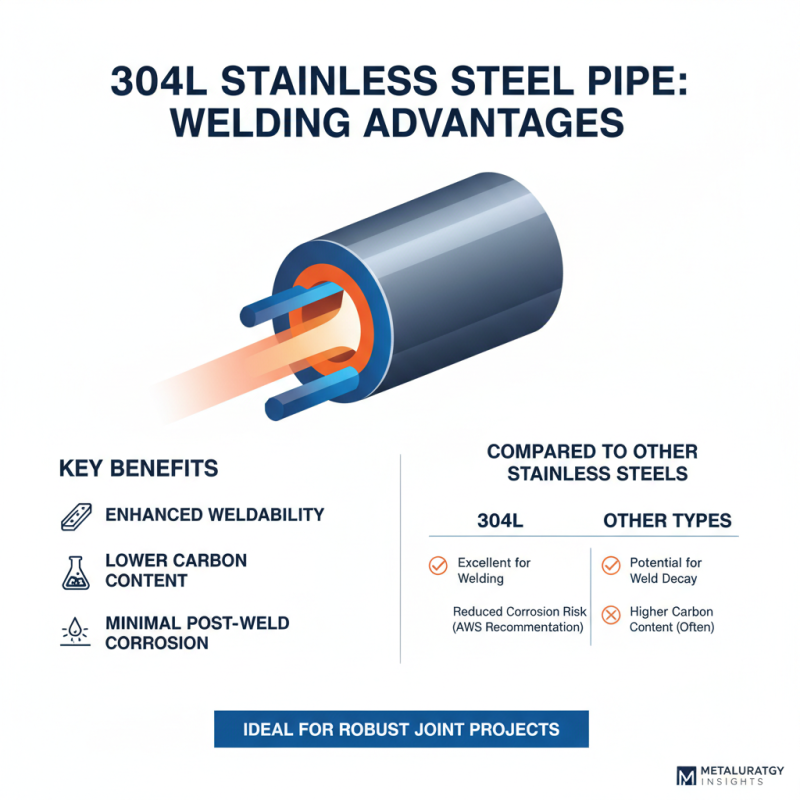
When comparing 304L steel pipe with other stainless steel types, it’s essential to recognize its unique properties. 304L has lower carbon content, which enhances its weldability. This characteristic is crucial for projects requiring robust joints. According to the American Welding Society, 304L is often recommended for welding applications due to minimal post-weld corrosion.
In contrast, 316 and 316L stainless steels contain molybdenum. This addition improves resistance to chlorides, making them suitable for marine environments. Yet, they are generally more expensive than 304L. The increase in cost may not justify their use in all situations. A study by the International Stainless Steel Forum noted that 304L accounts for about 50% of the stainless steel market, reflecting its popularity and versatility.
User needs play a significant role in material selection. If corrosion resistance is non-negotiable, 316L may be the better choice. On the other hand, projects involving food processing or dairy industries might find 304L sufficient. The Department of Defense report from 2021 highlighted that even in mission-critical applications, 304L performs well, albeit it may need more frequent maintenance than its higher alloy counterparts.
Purchasing Considerations: Sourcing and Quality Assurance for 304L Pipes
When purchasing 304L steel pipes, quality assurance is crucial. Begin by identifying reputable suppliers. Look for vendors with solid reputations. They should provide certifications for their materials. Certifications prove that the pipes meet industry standards. This reduces the risk of defects and ensures longevity.
Inspect the manufacturing process. Check if the pipes are subjected to rigorous testing. Common tests include tensile strength and corrosion resistance evaluations. Ensuring these tests are performed can prevent future issues. Additionally, ask about the sourcing of raw materials. Sourcing from responsible suppliers is essential. It affects the end product's durability.
Consider the intended application for the pipes. Different projects may have unique requirements. Not all 304L pipes are created equal, and variations exist. Think about the environment where the pipes will be used. This impacts the choice of thickness and diameter. Small miscalculations can lead to big problems later. Always think critically about these decisions.
How to Choose the Right 304l Steel Pipe for Your Project? - Purchasing Considerations: Sourcing and Quality Assurance for 304L Pipes
| Dimension |
Specifications |
Applicable Industries |
Quality Standards |
Typical Uses |
| 1/2 inch |
ASTM A312, Schedule 40 |
Oil & Gas, Chemical |
ISO 9001, ASTM |
Pipelines, Fluid Systems |
| 3/4 inch |
ASTM A312, Schedule 80 |
Pharmaceuticals, Food Processing |
ASME, ASTM |
Sanitary Applications |
| 1 inch |
ASTM A312, Schedule 10 |
Construction, Marine |
API, ISO |
Water Supply, Structural |
| 1.5 inch |
ASTM A213, Seamless |
Automotive, Aerospace |
EN 10204, ASTM |
Exhaust Systems, Heat Exchangers |
| 2 inch |
ASTM A312, Schedule 40 |
Mining, Power Generation |
ISO 14001, ASME |
Coal Handling, Steam Transport |