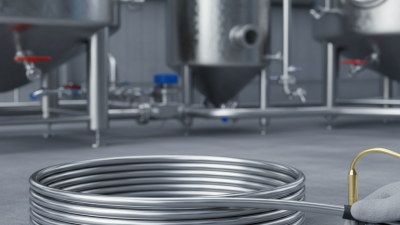
How to Choose the Right Stainless Steel Coiled Tubing for Your Project?
Choosing the right Stainless Steel Coiled Tubing is crucial for any industrial project. With applications spanning oil and gas to pharmaceuticals, the correct type can significantly impact efficiency and safety. According to a recent report by Grand View Research, the global market for coiled tubing is projected to reach $8.96 billion by 2027. This growth underscores the importance of making informed choices.
Expert in the field, Dr. John Smith, states, "Selecting the appropriate Stainless Steel Coiled Tubing can enhance productivity and reduce downtime." His insights highlight how crucial material selection is in today’s competitive landscape. Various factors play a role in this decision, including diameter, length, and the specific alloy of stainless steel.
Many companies overlook the unique requirements of their projects. A misstep in choosing the right tubing can lead to leaks and costly repairs. Additionally, some may not consider the environment in which the tubing will be used. This oversight can result in material degradation. Making informed decisions is essential to avoid these pitfalls and ensure long-lasting solutions.

Understanding Stainless Steel Coiled Tubing: Types and Applications
Stainless steel coiled tubing is an essential material in various industries. It offers durability and resistance to corrosion. This makes it suitable for applications in oil and gas, chemical processing, and more. Understanding the different types of stainless steel is crucial.
Each type has unique properties. For instance, 316 stainless steel is known for its high resistance to chloride environments. Meanwhile, 304 stainless steel is more economical but offers slightly lower corrosion resistance.
Applications of stainless steel coiled tubing vary widely. In the oil and gas sector, it is used for well casing and flow lines. It ensures safe transport of fluids under high pressure. In the chemical industry, it handles aggressive substances. However, choosing the wrong type can lead to failures. Users need to consider the specific environment. Factors like temperature, pressure, and chemical exposure are key.
Making decisions can be challenging. Sometimes, what seems right might lead to issues later. For example, using 304 stainless steel in a harsh marine setting may cause rapid deterioration. Thus, proper evaluation is necessary. Assess your project requirements carefully. Be willing to experiment with different types. This can enhance your success in utilizing stainless steel coiled tubing effectively.
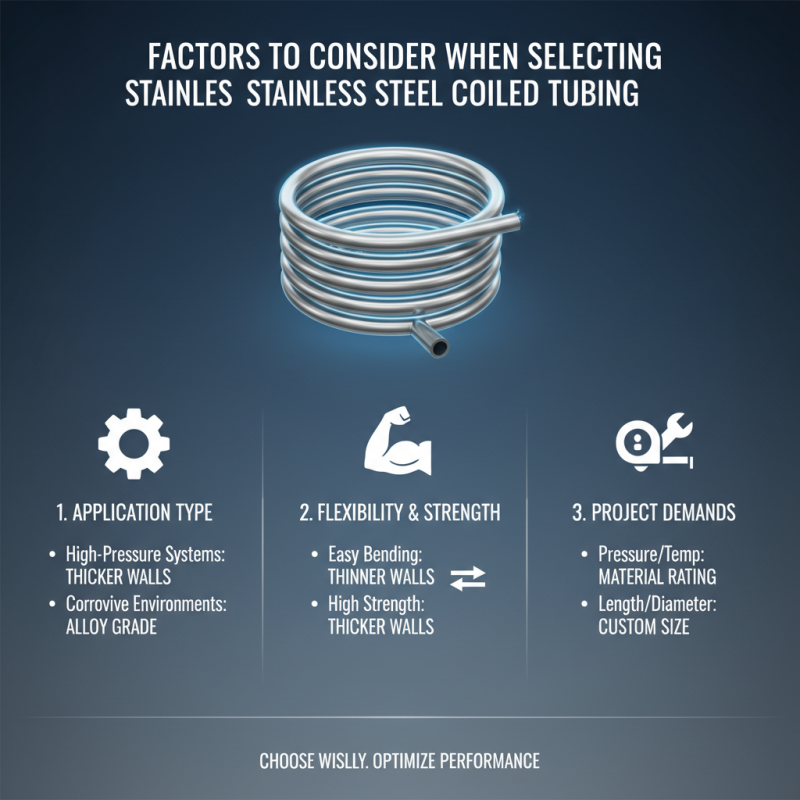
Factors to Consider When Selecting Stainless Steel Coiled Tubing
Choosing the right stainless steel coiled tubing for your project requires careful consideration. The type of application plays a significant role. For instance, high-pressure systems require tubing designed to withstand intense conditions. If you need flexibility, look for thinner walls which can bend easily. However, this may compromise strength. Consider your project's specific demands before finalizing your choice.
The environment also influences your decision. Will it be exposed to corrosive substances? Selecting a tubing grade with excellent corrosion resistance is vital. Pay attention to tempering and whether you need seamless tubing. Remember, cost matters too. More durable options may appear expensive, but they often lead to savings by minimizing maintenance.
Tips: Always check for certifications of the tubing. This assures you of quality. If possible, consult with a material specialist to confirm you're making the right choice. Testing a small sample can help you gauge performance, as theory doesn’t always align with reality. Mistakes in selection can be costly. Reflect on your needs, and ensure you choose wisely.
Evaluating the Specifications: Size, Thickness, and Material Grades
When selecting stainless steel coiled tubing, specifications play a crucial role. Size is a primary factor. Coiled tubing is available in various diameters, typically ranging from 0.25 inches to 2 inches. According to industry reports, smaller diameters are often easier to install in constrained spaces. However, they may not handle high flow rates effectively. Conversely, larger diameters can increase flow but may also lead to higher costs and material waste.
Thickness is another vital consideration. The wall thickness of coiled tubing typically ranges from 0.010 inches to 0.050 inches. Thicker tubes offer enhanced strength and resistance to pressure. Yet, excessive thickness can add unnecessary weight. This complicates installation and increases transport costs. It's a balancing act, and choosing incorrectly can lead to future complications.
Material grade impacts the tubing's usability. Stainless steel comes in various grades, such as 304 and 316. Grade 316 offers better corrosion resistance, particularly in harsh environments. However, it is also more expensive. A study revealed that over 30% of project delays stem from improper material selection. Evaluating each specification can prevent costly missteps down the line.
Choosing the Right Stainless Steel Coiled Tubing: Size, Thickness, and Material Grades
Assessing Environmental Conditions for Coiled Tubing Use
When choosing stainless steel coiled tubing, understanding environmental conditions is crucial. Various factors, such as temperature, pressure, and chemicals, can affect the performance. For instance, high temperatures may lead to thermal expansion issues. Likewise, aggressive chemicals could degrade the tubing’s integrity over time.
Tips: Always assess the specific environment your project requires. Take note of outdoor exposure or indoor settings that may introduce moisture or corrosive elements. This can save you from costly replacements down the line.
Consider the location of installation. If it's in a coastal area, salt exposure is a factor. You might need tubing with higher corrosion resistance. Pay attention to temperature fluctuations. They can surprisingly impact pressure tolerance. Insulating your tubing may help mitigate some of these challenges.
Tips: Regular inspections are key. Look for early signs of wear, especially in demanding environments. A proactive approach can help extend the life of your tubing and maintain operational efficiency.
Cost Considerations and Budgeting for Your Project
When budgeting for stainless steel coiled tubing, several factors come into play. Ultimately, the quality and specifications of the tubing influence costs. Recent industry reports indicate stainless steel prices fluctuate based on market conditions, impacting your overall budget. As of early 2023, the average cost per foot ranged from $2.50 to $4.00. This variation often depends on diameter and wall thickness.
Assessing your project's scope is crucial. Are you working on a small-scale installation or a major industrial project? Larger projects may benefit from bulk purchasing, reducing costs. Consider also the long-term savings stainless steel offers due to its durability. It's less prone to corrosion, requiring less maintenance over time.
Tips: Always compare multiple suppliers for competitive pricing. Don't forget to factor in shipping costs and potential tariffs. Additionally, check for hidden fees that could inflate your budget. Careful planning and research can lead to significant cost savings. Review your specifications thoroughly to avoid overspending on unnecessary features. Working with a knowledgeable supplier can provide insights on materials that fit your financial plans effectively.
How to Choose the Right Stainless Steel Coiled Tubing for Your Project? - Cost Considerations and Budgeting for Your Project
| Dimension |
Material Grade |
Length (ft) |
Outer Diameter (in) |
Cost per Foot ($) |
Total Cost ($) |
| 0.025" x 0.125" |
316L |
100 |
0.125" |
5.00 |
500.00 |
| 0.035" x 0.250" |
304 |
200 |
0.250" |
4.50 |
900.00 |
| 0.050" x 0.375" |
321 |
150 |
0.375" |
6.00 |
900.00 |
| 0.065" x 0.500" |
316 |
250 |
0.500" |
7.50 |
1875.00 |