How to Choose the Right 304 Seamless Steel Tube for Your Project?
In industrial applications, selecting the right 304 Seamless Steel Tube is crucial. According to a recent report by Market Research Future, the demand for seamless steel tubes is projected to grow significantly, driven by their versatility and high corrosion resistance. Expert John Smith, a metallurgical engineer with over 15 years of experience, states, "Choosing the right seamless tube can optimize your project's efficiency."
While 304 Seamless Steel Tubes are known for their durability and reliability, not all products are created equal. Factors like wall thickness, diameter, and manufacturing quality can greatly affect performance. Inconsistent production processes could lead to weaknesses in the material. Engineers must be diligent in assessing these characteristics before making a final decision.
Purchasing a 304 Seamless Steel Tube may seem straightforward, but there are often complex considerations involved. It's important to research suppliers and ask detailed questions about their quality assurance practices. The value of your project depends on the integrity of the materials used, and overlooking these details can lead to failure in critical applications.
Understanding the Basics of 304 Seamless Steel Tubes
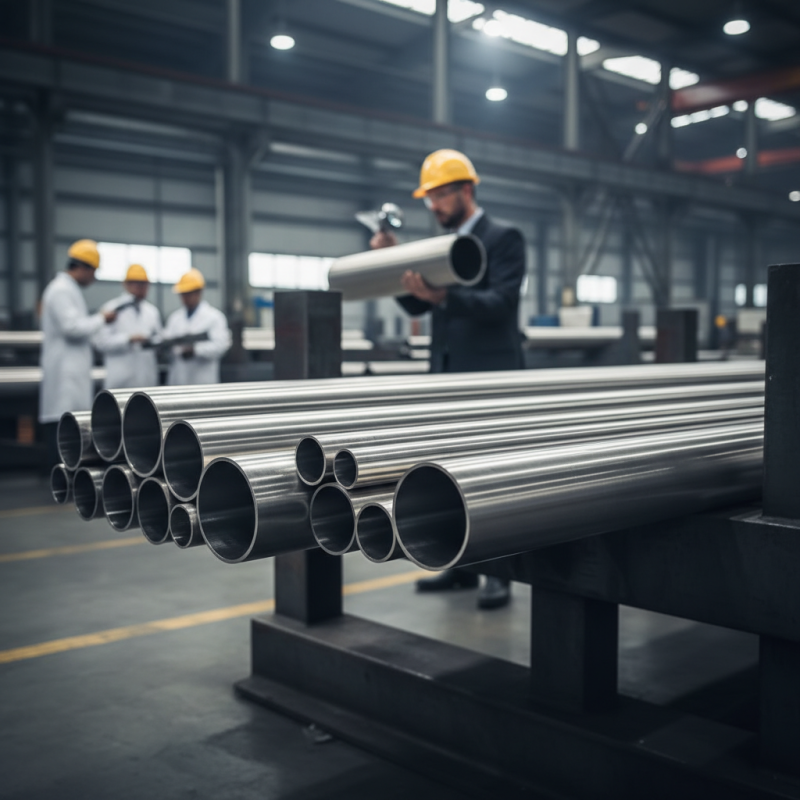
When selecting a 304 seamless steel tube for your project, understanding its basic properties is crucial. The 304 grade is known for its excellent corrosion resistance and durability. According to industry reports, 304 stainless steel contains 18% chromium and 8% nickel, which enhances its rust resistance significantly. This makes it ideal for applications in food processing, chemical industries, and construction.
However, not all 304 seamless steel tubes are equal. Variations in manufacturing processes can affect their strength and longevity. Research shows that improper welding techniques can reduce the tube's integrity, leading to failure under pressure. Thus, seeking tubes that meet ASTM A312 or ASTM A213 standards is essential for ensuring reliability and performance.
It's also important to consider the dimensions and wall thickness needed for specific applications. For example, a tube with a thicker wall offers better pressure resistance, but may also increase costs unnecessarily. Balancing these factors requires careful analysis. Project managers should always weigh the budget against the required specifications to avoid overspending without compromising on safety and quality.
Identifying Project Requirements for Steel Tube Selection
When selecting 304 seamless steel tubes, understanding the project's requirements is crucial. Different industries have varied demands, from construction to automotive. According to a report from the World Steel Association, the global demand for stainless steel is projected to increase by about 2% annually. This growth influences material choices and specifications.
Dimension is a key consideration. Common diameters for 304 seamless tubes range from 1/8 inch to 12 inches. The wall thickness also varies, affecting the tube's strength and pressure ratings. A project may require a specific dimension, impacting the overall integrity of the structure. Improper sizing may lead to safety risks or costly replacements later.
Corrosion resistance is another vital factor. 304 stainless steel offers good resistance to many corrosive environments. However, high chloride areas can lead to pitting. Reports suggest that nearly 20% of structural failures arise from materials not suited for their environment. An evaluation of the exposure conditions can prevent future issues. Knowing the specifics can guide you to the optimal choice for your project.
How to Choose the Right 304 Seamless Steel Tube for Your Project?
| Dimension |
Unit |
Typical Applications |
Specifications |
| Outer Diameter |
mm / inch |
Piping, Structural Support |
ASTM A312, Schedule 40 |
| Wall Thickness |
mm |
Pressure Systems, Fluid Transport |
ASTM A269, 1.5mm to 10mm |
| Length |
mm / ft |
Construction, Manufacturing |
Standard lengths up to 6m |
| Finish |
N/A |
Aesthetic & Corrosion Resistance |
Polished, Passivated |
| Material Grade |
N/A |
Food, Pharmaceutical, Marine |
304 Stainless Steel |
Evaluating Mechanical Properties of 304 Stainless Steel
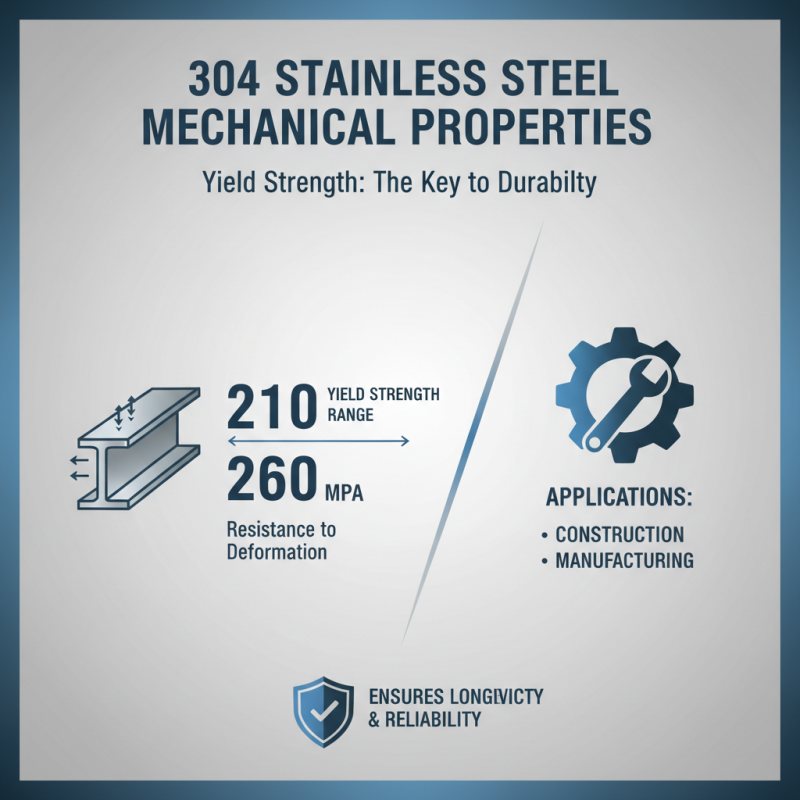
When evaluating the mechanical properties of 304 stainless steel for your project, understanding yield strength is crucial. Typically, 304 stainless steel has a yield strength ranging from 210 to 260 MPa. This range indicates its ability to withstand deformation under stress. Choosing the right specifications ensures durability and longevity in construction and manufacturing.
Another essential property to consider is tensile strength, which for 304 stainless steel is between 520 and 720 MPa. This data demonstrates its strength in resisting tension and is beneficial in applications subjected to various loading conditions. Corrosion resistance is also a notable characteristic, with excellent performance in environments exposed to moisture and chemicals.
Tips: Consider the temperature conditions of your project. At high temperatures, the strength of the 304 grade can diminish. Make sure to review your project's specific needs thoroughly. It’s also wise to examine the specifications from reputable industry reports, ensuring that you’re basing your decision on credible data. Lastly, bounce ideas off peers to gain insights that you might not have considered initially; this can help refine your choice further.
Comparing Manufacturing Standards and Specifications
When selecting a 304 seamless steel tube, understanding manufacturing standards is crucial. Various specifications exist that influence quality and performance. Look for ASTM A312 and A213 standards. These guidelines assure you of material integrity. Compliance with these specifications ensures better corrosion resistance and mechanical properties.
Tips: Always ask suppliers for certification documents. This step confirms that the tubes meet the required standards. Not all manufacturers maintain consistency in quality, so do your homework. Additionally, consider the end use of the steel tube. Different applications may require distinct characteristics, like thickness or diameter.
Not every tube marketed as "304" will have the same quality. Some may deviate from the expected performance. A church may need thin-walled tubes for aesthetics, while a factory could require thicker walls for durability. Delve deeper into your project needs. If you overlook these details, you might face issues down the road. Find reliable suppliers who prioritize quality over mere availability.
Assessing Cost and Availability of 304 Seamless Steel Tubes
When considering the cost and availability of 304 seamless steel tubes, a few factors come into play. The price can vary greatly depending on the supplier and market conditions. It’s essential to get quotes from multiple sources. This can reveal significant price differences. Keep an eye on fluctuations in raw material costs, as they often influence tube pricing.
Availability is another critical aspect. Distinct suppliers may have different stock levels. Some suppliers can offer quick delivery, while others may have longer lead times. If your project has strict deadlines, prioritize suppliers with reliable inventory. This ensures you can access the necessary quantities promptly. Be mindful, though, that stock shortages can occur unexpectedly, impacting timelines.
Assessing local suppliers can also yield better costs. Local sourcing reduces shipping fees and wait times. Yet, smaller suppliers might not have extensive inventory. Understanding your specific needs can help you navigate these choices effectively. Be cautious, however, as cheaper options sometimes come with quality compromises. Always weigh price against quality to make the right decision for your project.