How to Choose Astm A269 304 Coil Tube for Your Next Project?
Choosing the right material is crucial for any project. The Astm A269 304 Coil Tube stands out due to its durability and corrosion resistance. When selecting this product, consider your specific needs. What is the intended application? Will it be exposed to harsh environments?
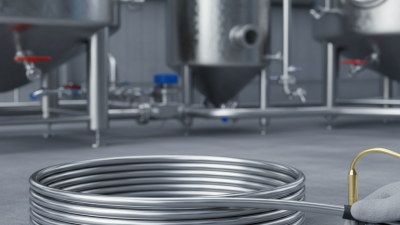
Astm A269 304 Coil Tube offers versatility in design and functionality. It is often used in industries like food processing, pharmaceuticals, and chemical manufacturing. However, some might find it confusing to navigate the various options available. Understanding the specifications and standards is key.
Pay attention to the tube's dimensions and wall thickness. These factors impact the overall performance of your project. There are instances where a perfect fit is not achieved. This can lead to leaks or structural failures. Reflect on these details to avoid costly mistakes. Make informed choices based on thorough research and project requirements.
Understanding ASTM A269 304 Coil Tube Specifications
When selecting an ASTM A269 304 coil tube for your project, understanding its specifications is vital. ASTM A269 is a standard specification for seamless and welded austenitic stainless steel tubing. The 304 alloy offers excellent corrosion resistance and is often used in various industries. According to recent industry reports, around 70% of stainless steels produced are of the 300 series, with 304 being the most popular choice.
The specific dimensions and wall thicknesses of ASTM A269 304 tubes can greatly impact performance. Standard sizes range from 1/8 inch to 24 inches in diameter. The wall thickness generally varies from 0.028 inches to 0.500 inches. A report from a reputable materials research firm highlights that deviations in tube wall thickness can lead to significant issues in applications, such as pressure loss or structural failure.
It is crucial to consider the tube's intended application. While ASTM A269 304 is suitable for many uses, its limitations should not be overlooked. For example, it may not perform well in environments containing chloride solutions. The mechanical properties, such as tensile strength and yield strength, also need attention. Inadequate understanding of these specs can result in costly mistakes down the line. Having reliable data and thorough knowledge of the specifications can truly influence your project’s success.
Identifying the Benefits of Using 304 Stainless Steel Coils
When considering 304 stainless steel coils, their advantages stand out.
304 stainless steel is known for its durability. This type of steel withstands corrosion effectively. Hence, it is a popular choice in various applications. It combines excellent strength and formability. These qualities make it suitable for complex projects.
Using ASTM A269 304 coil tubes can be beneficial. They offer a sleek finish that enhances aesthetics. Moreover, they are easy to clean, maintaining a hygienic surface. This is crucial in industries like food processing. However, while it is versatile, it’s essential to recognize its limitations. For example, 304 stainless steel may not perform as well in high chloride environments.
Before committing to this material, assess your project's unique demands. 304 stainless steel is not always the best choice. Consider your environment and specific application needs. Reflecting on these details can streamline the selection process. Ultimately, the right decision could save time and reduce future costs.
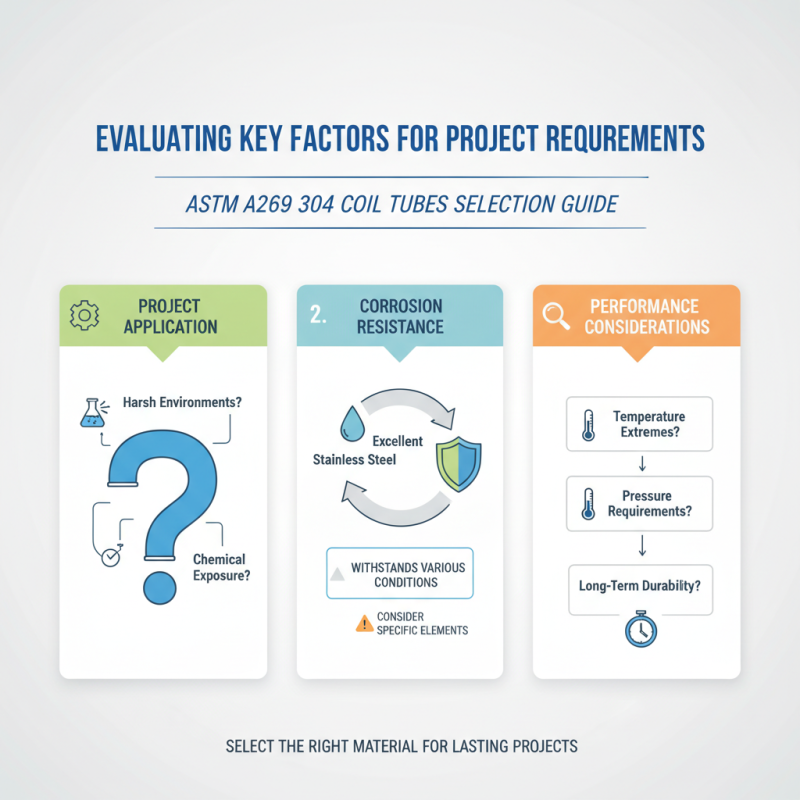
Evaluating Key Factors for Project Requirements
When selecting ASTM A269 304 coil tubes, several factors must be evaluated. Firstly, consider the project’s application. Will the tubes be used in harsh environments? This grade of stainless steel offers great corrosion resistance, but different conditions may still affect performance. Think about the specific chemicals or elements the tubes will encounter.
The dimensions and wall thickness are also crucial. Too thin might lead to failure under pressure. Too thick can add unnecessary weight. Measure carefully to ensure compatibility with existing systems. Prior project specifications can guide these decisions, but don’t overlook the potential need for adjustments.
Another important factor is the manufacturing process. Different methods can impact the final product's consistency. Look into how the coil tubes are manufactured. This might reveal discrepancies in quality. It’s easy to assume all suppliers meet the same standards, but that’s often not true. Engaging with suppliers can provide insight into their production practices. The decision to dive deeper could save money and headaches later.
Assessing Supplier Reliability and Quality Assurance
When choosing ASTM A269 304 coil tube, assessing supplier reliability is crucial. Many projects fail due to poor material choices. According to industry reports, nearly 30% of structural failures relate to inadequate material quality. This highlights the need for a robust selection process. Look for suppliers with a proven track record. Check their certifications and audit reports. A reliable supplier should offer transparent production practices.
Quality assurance is essential for long-lasting results. For instance, suppliers should perform rigorous testing per ASTM standards. This includes tensile strength tests and corrosion resistance evaluations. A reputable supplier's products typically meet or exceed these benchmarks. Yet, even top suppliers can face challenges. Fluctuating materials costs or supply chain issues may affect quality. Be aware of these potential pitfalls. Ask for third-party inspection reports to verify claims.
Seek out feedback from other customers. Their experiences can provide valuable insights. Trustworthy suppliers should have positive reviews and testimonials. However, don’t just settle for popular brands. Sometimes lesser-known suppliers offer unique advantages. They may prioritize customer service or niche expertise. Inquire about their production methods and quality control measures. This diligence will ensure your project receives the best materials available.
Supplier Reliability Assessment for ASTM A269 304 Coil Tube
Comparing Cost-effectiveness and Alternatives in Coil Tubes
When considering ASTM A269 304 coil tubes, cost-effectiveness is a crucial factor. Prices may vary significantly based on material sourcing, manufacturing processes, and local market trends. It's essential to analyze how much you are willing to invest in your project. Sometimes, opting for cheaper alternatives might compromise quality or longevity. Balancing budget constraints with the need for reliability requires careful assessment.
Exploring alternatives can also be beneficial. Options such as different alloys or tubing shapes exist in the market. Alternatively, pre-fabricated components might reduce labor costs. However, these alternatives may not offer the same strength or corrosion resistance. It's a fine line between cost-saving and risk-taking. Weighing the pros and cons should guide your choice. Beyond mere expense, think about the future performance of your project. How will your choices impact long-term use? Reflecting on these questions can clarify your decision-making process.