How to Choose Astm A269 304 Stainless Coil Pipe for Your Project?

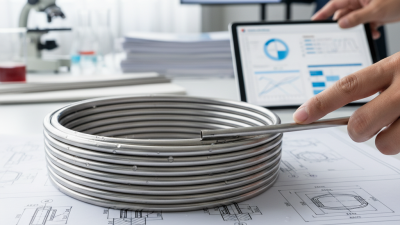
When selecting the right materials for your project, the choice of pipe can significantly impact performance and durability. One such reliable option is the Astm A269 304 Stainless Coil Pipe. Renowned industry expert, John Simmons, emphasizes, "Choosing the right stainless coil pipe can make or break your project."

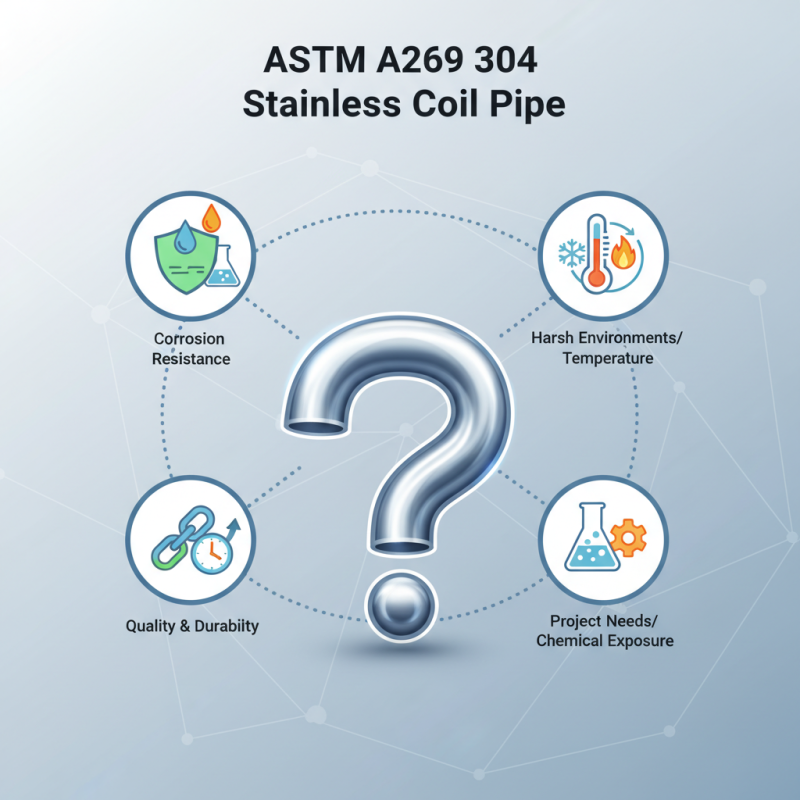
The Astm A269 304 Stainless Coil Pipe offers excellent corrosion resistance. Its properties allow it to endure harsh environments while maintaining structural integrity. However, not all projects require this specific type. Understanding your project's needs is essential. Are you considering temperature fluctuations or exposure to chemicals?

Many buyers overlook the nuances of selecting this pipe. It's not just about cost; quality and suitability for your application matter. A poorly chosen pipe can lead to costly repairs and safety risks. Reflection on these factors is crucial to achieving longevity and success in your projects.
How to Choose Astm A269 304 Stainless Coil Pipe for Your Project?

Understanding ASTM A269 and Its Applications in Projects
How to Choose Astm A269 304 Stainless Coil Pipe for Your Project?

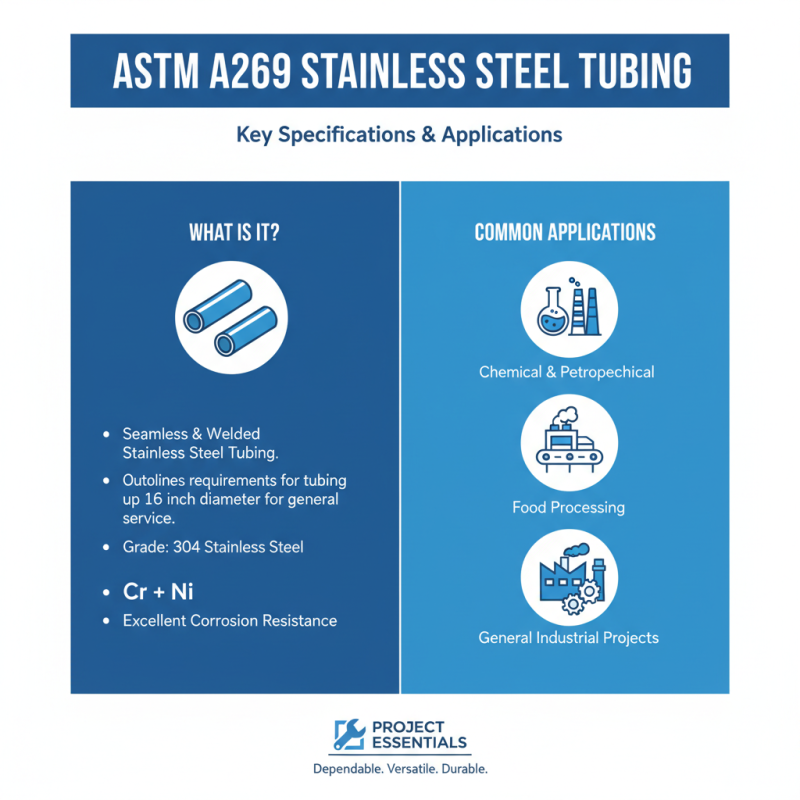
When selecting ASTM A269 304 stainless coil pipe for your projects, understanding its specifications is crucial. ASTM A269 outlines the requirements for seamless and welded stainless steel tubing. This type of tubing is ideal for various applications, including chemical, petrochemical, and food processing industries. It is noteworthy that 304 stainless steel offers excellent corrosion resistance due to its chromium and nickel composition, making it versatile in many environments.

One important aspect is the mechanical properties. ASTM A269 specifies minimum tensile strength of 70 ksi and yield strength of 30 ksi for grade 304L. These values ensure the material can withstand considerable stress, which is essential for structural integrity. Additionally, corrosion resistance testing shows that 304 stainless steel can endure exposure to sulfuric acid and chloride environments, often found in industrial applications.

Tip: Always verify certification with suppliers. This ensures compliance with ASTM A269 standards. Another point to consider is the wall thickness, as it affects pressure ratings. Sometimes, thicker walls are necessary for high-pressure systems, but they can also add weight and cost. Balancing these factors is key in selection. Lastly, while 304L offers lower carbon content, its weldability must be evaluated based on project requirements.
Key Properties of 304 Stainless Steel for Coil Pipe Selection

How to Choose Astm A269 304 Stainless Coil Pipe for Your Project?

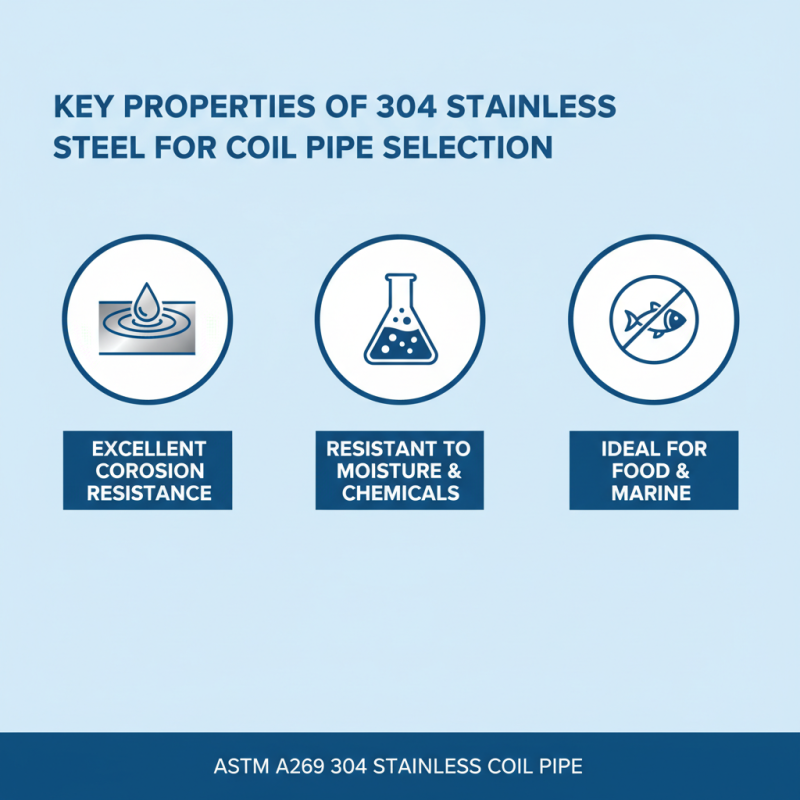
When selecting ASTM A269 304 stainless coil pipe, understanding the key properties of 304 stainless steel is crucial. This alloy is known for its excellent corrosion resistance. It can withstand environments with moisture and various chemicals. This makes it ideal for applications in industries like food processing and marine settings.

A notable feature of 304 stainless steel is its high strength. It retains its structural integrity even at elevated temperatures. However, it can be prone to stress corrosion cracking under certain conditions. This necessitates careful evaluation of the project's specific environment. Additionally, this material exhibits good weldability, which is essential for projects requiring complex fabrication.

While 304 stainless steel is versatile, it is not always the best choice for every application. Its resistance to oxidation is limited compared to other alloys. In some cases, choosing a different grade may provide better performance. As you navigate your options, weigh the benefits against the possible limitations of 304 stainless steel. Being mindful of these properties will aid in making a well-informed decision for your project's needs.

Factors to Consider When Choosing Coil Pipe for Your Needs

When selecting ASTM A269 304 stainless coil pipe, various factors must be considered. The material's corrosion resistance is a primary concern. According to the Stainless Steel Institute, 304 alloy provides excellent resistance to a range of corrosive environments. This characteristic makes it suitable for various applications, including food processing and chemical industries.

Another important factor is the mechanical properties. ASTM A269 304 stainless steel exhibits a tensile strength of approximately 70,000 psi. This durability lends itself well to high-pressure applications. However, users should note that while it is robust, it is not suitable for use in elevated temperatures above 870°F without losing its mechanical integrity.

Finally, assess your project's specific requirements. Consider variables like pipe diameter, wall thickness, and length. Research shows that appropriate wall thickness can significantly affect the pipe's performance in specific environments. While a thicker wall provides added strength, it also increases cost. Balancing these aspects is crucial. Opting for coil pipes that accurately fit your project needs can prevent unexpected failures or costly downtime. Make informed choices to enhance the efficacy of your project.

How to Choose Astm A269 304 Stainless Coil Pipe for Your Project?

Factor Description Importance
Material Grade 304 stainless steel is corrosion-resistant and suitable for various applications. High
Pipe Diameter Select diameter based on flow requirements and installation constraints. Medium
Wall Thickness Determines pressure rating and durability against external factors. High
Length of Coil Depends on the project scope; longer coils reduce joints. Medium
Temperature Resistance Check the temperature limits of the material for specific applications. High
Corrosion Resistance Evaluate the environment to ensure the material will hold up over time. High
Cost Consider overall budget and long-term investment for maintenance. Medium

Comparative Analysis: ASTM A269 vs Other Stainless Steel Standards

When selecting stainless steel for your project, understanding the nuances between standards is crucial. ASTM A269 is commonly compared with other standards like ASTM A312 and ASTM A554. Each has unique specifications. ASTM A269 focuses on seamless and welded tubes, primarily for general service. This standard offers excellent corrosion resistance, but does not specify mechanical properties.

In contrast, ASTM A312 is intended for pressure applications, featuring higher strength and durability. ASTM A554, often used for structural applications, emphasizes appearance and finishes. Knowing these differences can help in selecting the right pipe for your needs. The ASTM A269 pipe may suffice for non-critical applications, but relying on it for high-stress environments can lead to failures.

Tips: Always review material data sheets. Check chemical compositions against project requirements. Sometimes, what seems acceptable might not hold up under specific conditions. Even slight variations in alloy composition can affect performance greatly. Ensure you know the environment your pipe will face. Rust does not always indicate failure, but it may compromise lifespan. Take the time to educate yourself on each standard to avoid costly mistakes. Make informed choices to ensure project success.

Practical Tips for Sourcing and Purchasing ASTM A269 304 Coil Pipe

When sourcing ASTM A269 304 stainless coil pipe, consider the specific requirements of your project. Look for suppliers who have a solid track record and can provide certifications to prove the material meets industry standards. This can save time and money in the long run, ensuring you receive quality products.

Inspect product samples whenever possible. Assess the finish, wall thickness, and overall dimensions. Some manufacturers may cut corners, resulting in inconsistent quality. If the samples don’t meet your expectations, consider exploring other sources. Asking for reports from previous clients can also provide insight into a supplier’s reliability.

Don’t forget to inquire about lead times and shipping options. Delays can be costly for your project. Establish a solid timeline and ensure your supplier can meet it. Communication is key; ensure you are on the same page regarding specifications and delivery. Understanding the finer details can help avoid potential frustrations down the line, making the purchasing process smoother.