Exploring China Top Stainless Steel Coil Tube Factory Innovations?
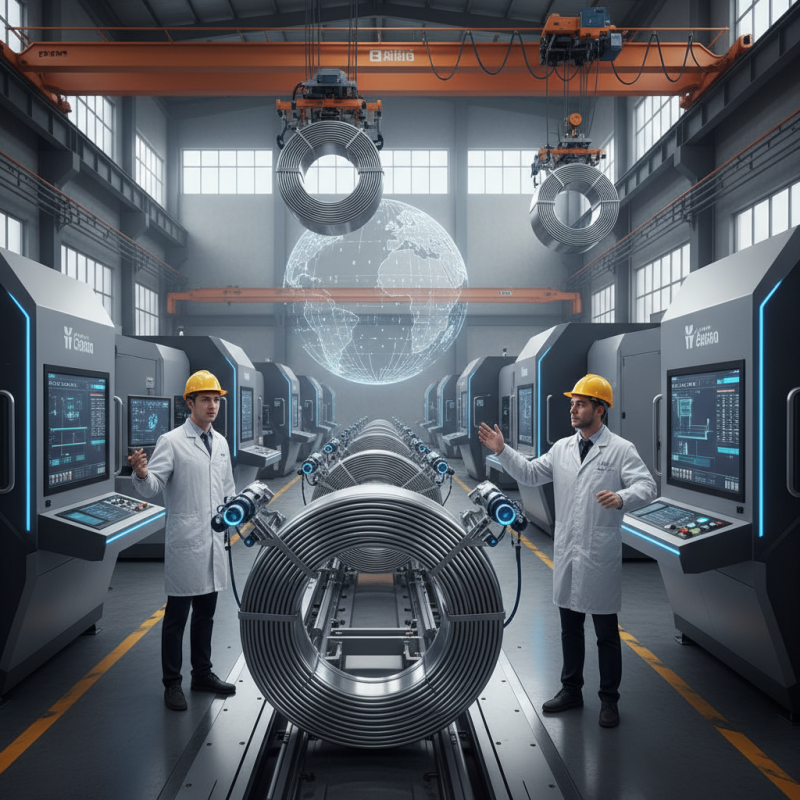
The stainless steel coil tube factory sector is witnessing remarkable innovations that reshape industry standards. With advancements in manufacturing techniques and materials, these factories are enhancing productivity and efficiency. Notably, many factories are integrating artificial intelligence into their operations. This evolution is crucial for meeting the growing demand for high-quality stainless steel products.
At the upcoming 139th Canton Fair, the spotlight will shine on these innovations. The introduction of AI-driven tools enables buyers to efficiently identify certified suppliers. This technological leap can significantly improve the overall purchasing experience. However, the heavy reliance on technology raises concerns. Can these factories maintain quality control amidst rapid automation?
While there is great promise in these developments, challenges remain. Not every factory can keep up with these innovations. Some may struggle to adapt, risking their competitiveness in the market. As the industry moves forward, it is essential to reflect on how to balance technology and craftsmanship effectively.
Overview of China's Stainless Steel Coil Tube Industry
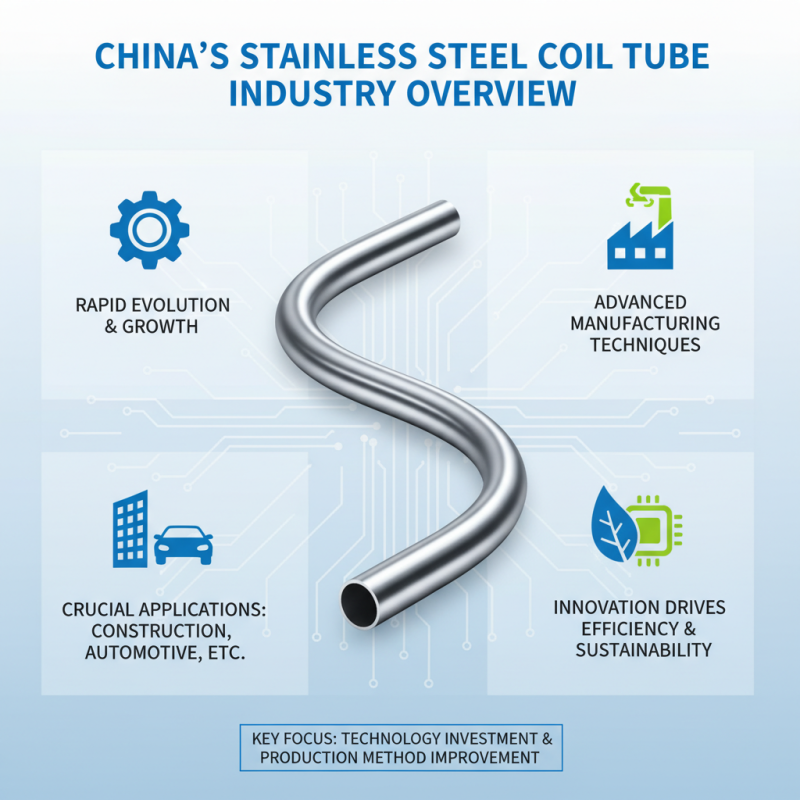
China's stainless steel coil tube industry is rapidly evolving. This sector is crucial for various applications, from construction to automotive industries. Significant advancements in manufacturing techniques have emerged. Companies focus on improving efficiency and sustainability. Investment in technology has led to innovative production methods.
However, challenges remain. Some manufacturers struggle with quality control. Consistency can be a concern in a fast-paced market. It's essential for companies to address these issues to maintain global competitiveness.
Tips: Always examine product specifications closely. Pay attention to the materials used. Understanding the production process can greatly impact your selection. Investing in reliable suppliers can save costs in the long run. Don't overlook the importance of sustainability in your choices.
Key Innovations in Manufacturing Techniques of Coil Tubes
China's stainless steel coil tube factories are leading the way in innovation. Manufacturers are adopting advanced technologies to enhance their production processes. For instance, the use of automation in welding has improved precision and reduced human error. This shift helps in creating more consistent products, but it may overlook the importance of skilled labor.
Another fascinating technique is the application of laser cutting. This method offers high accuracy and minimizes waste. It allows for intricate designs and shapes that were previously hard to achieve. However, this technology requires constant monitoring and can be costly, which raises questions about long-term sustainability.
Furthermore, these factories are exploring environmentally friendly practices. Recycling scrap metal has become a common approach. While it reduces the ecological impact, the process itself can be inefficient. Challenges remain in ensuring that the recycled material meets quality standards. Innovations in manufacturing techniques are essential, but reflections on their impacts are equally important.
Sustainability Practices in Stainless Steel Coil Tube Production
In the realm of stainless steel coil tube production, sustainability is gaining traction. Many factories are focused on eco-friendly practices. They are shifting towards innovative technologies that reduce waste. Using renewable energy sources is becoming more common. Solar panels and wind energy play vital roles. These changes aim to minimize the carbon footprint.
Water conservation methods are also crucial. Some factories recycle water used in their processes. This helps reduce the consumption of fresh water. Recycling not only saves resources but also cuts costs. Additionally, there is an effort to reduce harmful emissions. Factories implement advanced filtration systems to achieve cleaner air.
However, challenges remain. Not every factory can afford the latest technology. Smaller factories might struggle with these upgrades. There’s a need for more industry support and funding. Balancing sustainability with production efficiency is complex. Still, the push for greener practices in stainless steel coil tube manufacturing is underway. Reflection on these methods can lead to better approaches in the future.
Market Trends and Demands for Stainless Steel Coil Tubes in China
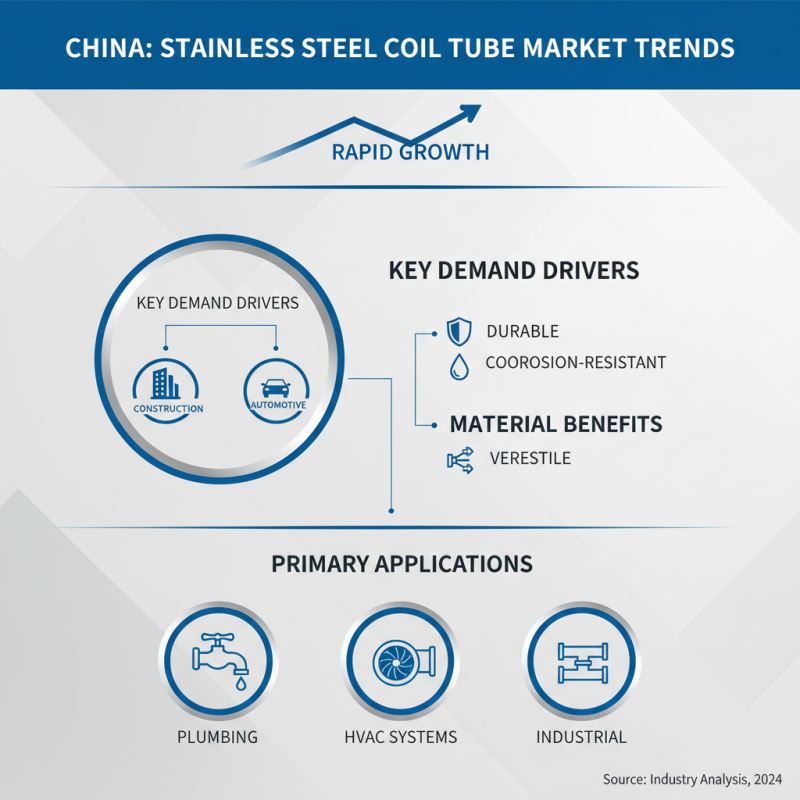
The stainless steel coil tube market in China is rapidly evolving. Increased demand is driven by various industries, including construction and automotive. These sectors require durable and corrosion-resistant materials. The significance of stainless steel coil tubes lies in their versatility. They are used in applications ranging from plumbing to HVAC systems.
Market trends indicate a shift towards innovative manufacturing techniques. Factories are exploring advanced technologies to enhance production efficiency. However, some challenges remain. Not all manufacturers have adopted these innovations. Inconsistent quality can be an issue, affecting customer satisfaction. Moreover, there is pressure to reduce costs while maintaining high standards.
Consumer preferences are also changing. There is a growing demand for eco-friendly materials. Sustainability has become a priority for many businesses. This shift may require factories to rethink their sourcing strategies. Balancing cost, quality, and environmental impact is a complex task. It's essential for manufacturers to stay aware of these trends and adapt accordingly.
Case Studies of Leading Stainless Steel Coil Tube Factories in China
China's stainless steel coil tube factories are at the forefront of innovation. These facilities leverage advanced technologies to improve production efficiency. Reports indicate that the global stainless steel market is projected to reach $120 billion by 2025. This growth fuels competition among manufacturers.
A case study shows one factory increased its output by 30% through automation. Automated systems reduce human error and speed up manufacturing processes. Another factory focused on sustainable practices. They implemented recycling systems for scrap materials, which reduced waste by 25%. These initiatives show a commitment to both efficiency and ecological responsibility.
However, challenges remain. Some factories struggle with quality control despite high output rates. Variability in raw materials can impact the final product, leading to rework or waste. Continuous improvement in quality management systems is crucial for long-term success. The journey toward innovation is ongoing, with many factors needing attention.