Top China Best Stainless Steel 304 Piping Options for Your Projects?
When choosing piping for various projects, Stainless Steel 304 Piping stands out as a leading option in China. Its durability and corrosion resistance make it ideal for diverse applications. These characteristics contribute to its popularity in construction, plumbing, and industrial sectors.
However, not all Stainless Steel 304 Piping is created equal. Sourcing quality materials can be daunting. Some products may lack the necessary certifications or exhibit inferior craftsmanship. This uncertainty can lead to challenges in ensuring long-term performance, raising concerns for project managers.
Understanding the best suppliers and their offerings is crucial. A strong reputation and a track record of reliability are key indicators of quality. By focusing on trusted brands and scrutinizing product specifications, you can enhance your project's success. Investing time in research can save costs and ensure the longevity and efficiency of your installations.
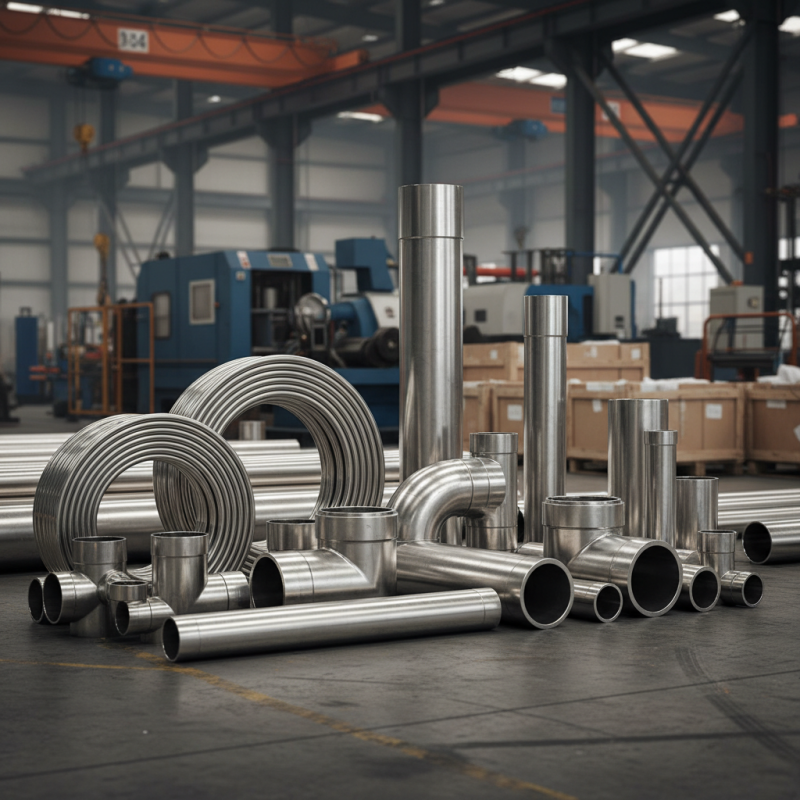
Top Characteristics of Stainless Steel 304 for Piping Applications
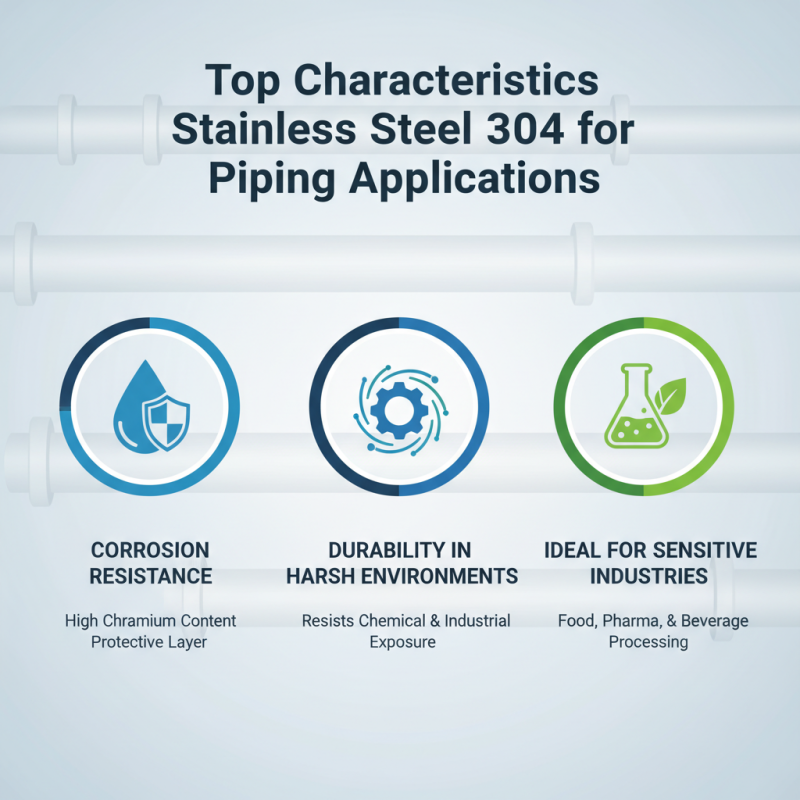
Stainless steel 304 is a popular choice for piping applications due to its excellent properties. This material is known for its corrosion resistance. It performs well in harsh environments. The high chromium content provides a protective layer. It is especially valuable in industries like food processing and pharmaceuticals.
The mechanical strength of stainless steel 304 is notable. It can withstand high pressure and temperatures. This resilience makes it ideal for various applications. Additionally, its ease of fabrication allows for versatile designs. However, it does have limitations. It is not suitable for chloride environments, which could lead to pitting.
Another important characteristic is its aesthetic appeal. Stainless steel 304 has a polished finish that is visually attractive. This makes it a popular choice for visible piping systems. It is also easy to clean and maintain. Yet, it is essential to consider cost factors, as it may be more expensive than other materials. Understanding these features allows for better decision-making in projects.
Key Advantages of Using Stainless Steel 304 in Industrial Projects
When it comes to industrial projects, Stainless Steel 304 is a popular choice. Its excellent corrosion resistance is one of the main advantages. This makes it ideal for various environments, especially where moisture is present. The durability of 304 stainless steel adds to its appeal. It can withstand extreme temperatures, and this strength often translates into lower maintenance costs over time.
Tips: Consider the specific requirements of your project. If high corrosion resistance is necessary, 304 won't disappoint. However, if your project involves extremely acidic or basic materials, you might need a different grade.
Stainless Steel 304 is also easy to fabricate. It can be welded and machined with relative ease. This flexibility can sometimes lead to inefficiencies. Projects may require more precise cuts and fittings. Hence, planning is essential. Ensure that your fabricator understands the intricate details to avoid costly mistakes.
The aesthetic appeal of 304 stainless steel should not be overlooked. Its shiny surface provides a modern look. This can enhance the overall visual aspect of your industrial installations. However, keep in mind that its surface can scratch, revealing the base metal. Regular cleaning and maintenance can help mitigate this issue.
Top China Best Stainless Steel 304 Piping Options for Your Projects
The chart above illustrates the key advantages of using Stainless Steel 304 in industrial projects. It highlights attributes such as corrosion resistance, durability, cost efficiency, ease of fabrication, and recyclability, showing their relative importance based on percentages.
Comparison of Stainless Steel 304 Piping Options in the Chinese Market
When exploring the stainless steel 304 piping options in the Chinese market, it's crucial to assess their mechanical properties. Stainless steel 304 is renowned for its excellent corrosion resistance and good weldability. According to a recent industry report, 304 stainless steel accounts for approximately 50% of the stainless steel market in China, highlighting its popularity. This material often meets ASTM A312 standards, which are essential for piping applications.
However, not all 304 piping is created equal. Variations in manufacturing methods can lead to differences in tensile strength and yield strength. Some pipes may exhibit lower durability than expected, primarily if sourced from lesser-known manufacturers. Inspections are paramount since tests indicate that some products do not meet the specified quality standards. Reports show that up to 30% of stainless steel pipes fail under stress tests, raising concerns about reliability.
Further, there’s an increasing focus on sustainability in manufacturing processes. Many companies now explore eco-friendly practices to minimize the environmental impact. While the push for greener solutions is commendable, it can sometimes lead to inconsistencies in product quality. Buyers must consider these factors when choosing the best piping options for their projects. The future of 304 stainless steel in China will likely involve navigating these challenges while ensuring high standards are maintained.
Recent Trends and Innovations in Stainless Steel 304 Manufacturing
Recent trends in stainless steel 304 manufacturing show a focus on sustainability and efficiency. Many companies are adopting eco-friendly practices. For instance, using recycled materials is becoming standard. This approach reduces waste and conserves resources. Manufacturers are also investing in energy-efficient processes. These innovations not only lower costs but also minimize environmental impact.
Improved technologies are making the production of stainless steel 304 more precise. Automated systems ensure consistency in quality. However, relying heavily on automation raises questions about traditional craftsmanship. Some experts argue that machine-made products lack the character of handcrafted items. Additionally, the push for speed can sometimes compromise quality. It’s essential to find a balance between innovation and maintaining high standards.
Customer demands are shaping the market. Projects require piping options that are not only durable but also customizable. The trend for specialized sizes and finishes is growing. However, not all manufacturers can keep pace. This inconsistency can lead to frustration among clients. Challenges in the supply chain also contribute to delays. Addressing these issues is crucial for the future of stainless steel 304 piping.
Top China Best Stainless Steel 304 Piping Options for Your Projects
| Piping Diameter (mm) |
Wall Thickness (mm) |
Length (m) |
Finish Type |
Applications |
| 50 |
2 |
6 |
Polished |
Water Supply |
| 76 |
3 |
6 |
Brushed |
Food Industry |
| 100 |
4 |
6 |
Galvanized |
Chemical Processing |
| 150 |
5 |
12 |
Pickled |
Oil and Gas |
| 200 |
6 |
12 |
Varnished |
Construction |
Selecting the Right Supplier: Quality and Certifications for Stainless Steel 304
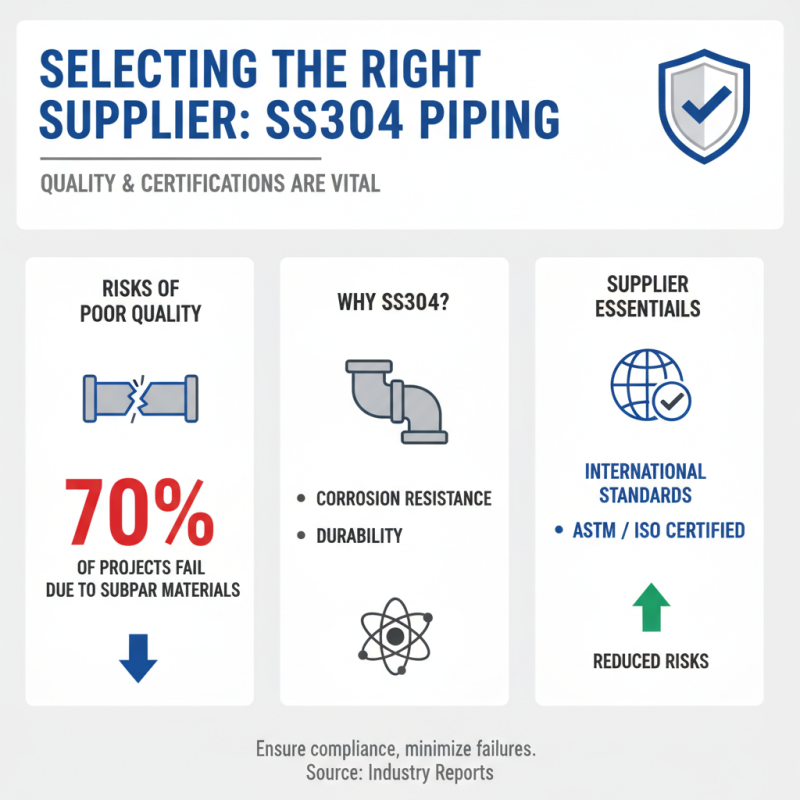
When selecting a supplier for Stainless Steel 304 piping, quality and certifications are vital. Industry reports indicate that nearly 70% of projects fail due to subpar materials. Stainless Steel 304 is renowned for its corrosion resistance and durability. Choosing a supplier that adheres to international standards, such as ASTM or ISO, can significantly reduce risks.
Certifications serve as a proof of quality. Suppliers with certifications demonstrate adherence to strict manufacturing processes. Look for companies that undergo regular audits and quality checks. As per a recent market analysis, certified materials have a 40% lower failure rate in harsh environments.
However, not all certified suppliers guarantee the best products. Some may obtain certifications through shortcuts. It's crucial to investigate their supply chain and manufacturing practices. Requesting recent test reports and third-party evaluations can help verify their claims. A closer look can reveal discrepancies that might affect project success.