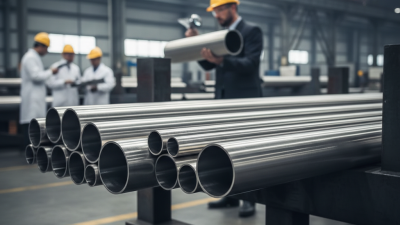
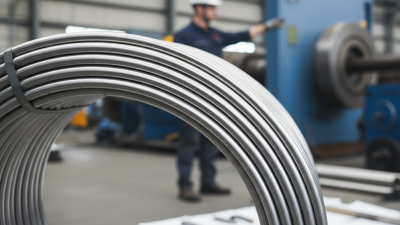
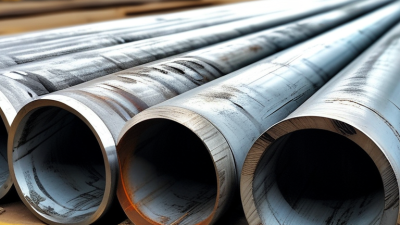
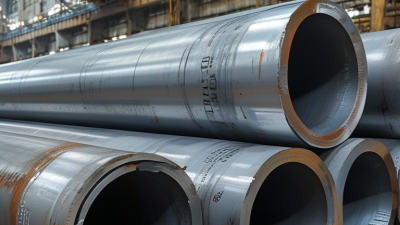
Choosing among China’s ASTM 304 stainless steel pipe suppliers takes more than comparing prices. A dependable supplier should explain how its pipes are manufactured, inspected, and documented. Ask for material test certificates that identify the grade and heat number, then check that the paperwork matches the delivered bundle. Details matter.
For an Astm 304 Stainless Pipe, compare the actual specifications: outside diameter, wall thickness, length, finish, and permitted tolerances. A polished sample may look excellent under warehouse lights, while a rough cut edge or inconsistent wall thickness tells a different story. Request sample photos or inspection records when an in-person visit is not practical. Also ask how the supplier handles packaging, marking, and export documents. These steps help reduce surprises, but no checklist replaces a clear purchase specification.
Experience is useful when a supplier can answer practical questions without vague promises. Can it explain the difference between seamless and welded pipe for your application? Does it provide inspection options and realistic lead times? Verify its claims through current certificates, references, and consistent communication. Be cautious of unusually low quotes with unclear scope. Cheap can become expensive. Even careful buyers can miss a small mismatch, so record agreed requirements in writing before production. This guide explores supplier evaluation in China and the checks that make a comparison more useful, fair, and grounded in evidence.
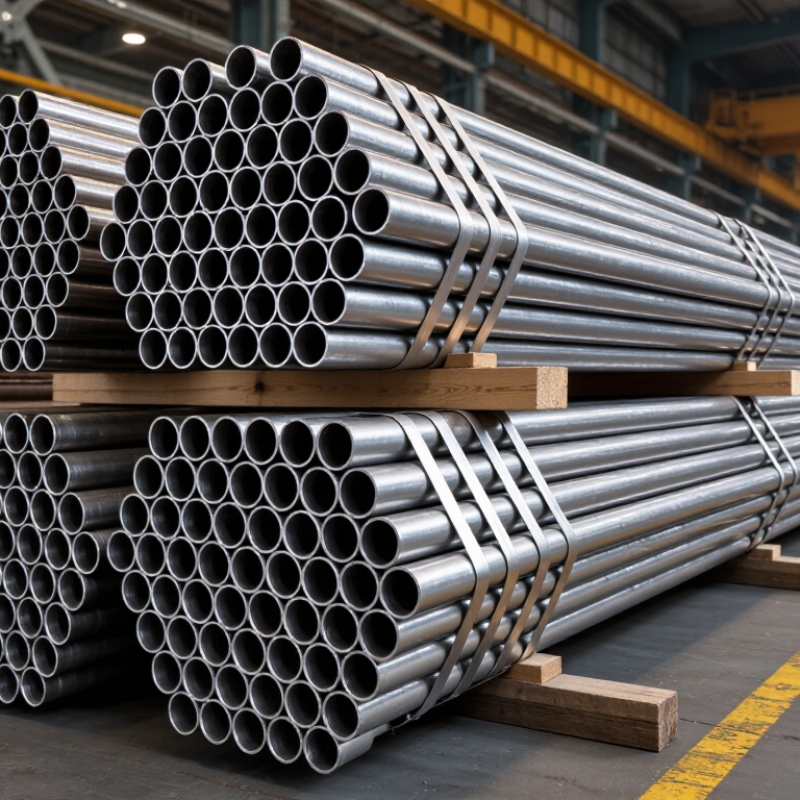
ASTM 304 stainless steel pipe is valued for its balance of corrosion resistance, formability, and everyday practicality. Its typical composition includes 18–20% chromium and 8–10.5% nickel, with carbon limited to 0.08% in standard 304. The chromium forms a thin protective surface layer when exposed to oxygen. Nickel helps maintain toughness and supports forming and welding. Exact limits depend on the applicable product specification, so check the material test report rather than relying on a grade label alone.
In service, 304 pipe handles many indoor and mildly corrosive environments. It is common in food-processing lines, building services, kitchen equipment, and general industrial systems. It is also readily welded, though good cleaning after welding helps reduce surface contamination. One detail is easy to overlook: annealed 304 is usually nonmagnetic, but bending or cold working can make parts slightly magnetic.
And it is not a universal choice. Chloride-rich water, coastal spray, and some chemical solutions may cause pitting or crevice corrosion. A pipe can look bright and still be poorly matched to its surroundings. Check temperature, fluid chemistry, pressure, and cleaning conditions before selecting it.
ASTM A312/A312M is the main product specification for seamless, welded, and heavily cold-worked austenitic stainless steel pipe. It includes Grade TP304. For TP304, the specification sets chromium at 18.0–20.0% and nickel at 8.0–11.0%; carbon is limited to 0.08% maximum. These limits matter. A material test report should link the heat number to the supplied pipe and list its measured chemistry and mechanical results. Check the applicable edition and purchase requirements, too.
ASTM A999/A999M provides general requirements for stainless and alloy steel pipe, including testing and dimensional provisions. For nominal pipe sizes and schedules, buyers commonly specify ASME B36.19M dimensions. State the size, schedule, length, manufacturing route, and end finish clearly. A thin-walled tube is not automatically interchangeable with a scheduled pipe. Small wording differences can change what arrives at the loading dock.
The International Stainless Steel Forum reported 58.4 million tonnes of global stainless-steel melt-shop production in 2023, up 4.6% from 2022. That market figure signals scale, not product quality. Ask for traceable records and inspect markings against the order. One caveat remains: a correct certificate cannot show every dent, handling mark, or storage issue. Check the actual bundle.
| Category | Standard or Specification | Key Details | What Buyers Should Verify |
|---|---|---|---|
| Pipe product standard | ASTM A312/A312M | Covers seamless, straight-seam welded, and heavily cold-worked austenitic stainless steel pipe, including Grade TP304. | Confirm the ordered grade, manufacturing route, dimensions, testing, and applicable edition are stated on the purchase order and inspection documents. |
| General requirements | ASTM A999/A999M | Provides general requirements applicable to many alloy and stainless steel pipe standards, including requirements referenced by ASTM A312. | Check the applicable A312 and A999/A999M requirements together; the product specification and order determine the required tests and documentation. |
| Grade identification | ASTM A312 Grade TP304; UNS S30400 | TP304 is the standard grade designation commonly used for 304 stainless steel pipe under ASTM A312. | Ensure markings, material test reports, and order documents consistently identify TP304. Do not treat TP304L as identical to TP304. |
| Typical specified chemistry for TP304 | ASTM A312 chemical requirements | Carbon: 0.08% maximum; chromium: 18.0–20.0%; nickel: 8.0–11.0%; manganese: 2.00% maximum; phosphorus: 0.045% maximum; sulfur: 0.030% maximum. | Compare the heat analysis on the material test report with the limits in the applicable standard edition and the ordered grade. |
| Specified tensile properties | ASTM A312 mechanical requirements for TP304 | Minimum tensile strength: 515 MPa (75 ksi); minimum yield strength: 205 MPa (30 ksi); minimum elongation: 35%. | Verify reported results, test method, specimen details, and acceptance criteria against the applicable standard and purchase requirements. |
| Pipe dimensions | ASME B36.19M | Common dimensional standard for stainless steel pipe outside diameters and wall thicknesses. Schedule 10S examples: NPS 1/2 — OD 21.3 mm, wall 2.11 mm; NPS 2 — OD 60.3 mm, wall 2.77 mm; NPS 4 — OD 114.3 mm, wall 3.05 mm; NPS 6 — OD 168.3 mm, wall 3.40 mm. | Specify nominal pipe size, schedule or wall thickness, length, and dimensional standard. Confirm tolerances against the governing product standard. |
| Manufacturing route | As specified in ASTM A312 and the purchase order | TP304 pipe may be supplied as seamless or welded product when permitted by the specification and ordered requirements. | State the required route explicitly. Review product markings and inspection records to confirm the supplied pipe matches the order. |
| Inspection and traceability | Applicable ASTM A312/A999 requirements and purchase order | Inspection, testing, marking, and certification requirements depend on the applicable standard, product type, and agreed order terms. | Request a material test report with heat number and chemistry/mechanical results; check heat-number traceability and any specified additional inspection. |
| Supplier qualification | Documented quality and supply controls | Useful evaluation points include specification compliance, traceability, inspection capability, consistent dimensional control, and export documentation where required. | Assess sample certificates, inspection procedures, packaging, delivery commitments, and the supplier’s ability to meet the exact grade, size, and testing requirements. |
Specifications and dimensional examples are for reference. Confirm the current applicable standard edition, tolerances, supplementary requirements, and final acceptance criteria in the contract documents.
For an ASTM 304 stainless steel pipe purchase, evaluate the supplier’s evidence, not just its quoted price. Ask for current mill test certificates that link each heat number to the delivered bundle. The report should show chemical composition and mechanical results, while pipe markings should match the documents. For pipe ordered to ASTM A312, confirm the grade, dimensions, schedule, and testing requirements in writing. Small mismatches matter.
Request inspection records for dimensional checks, hydrostatic or nondestructive testing, and surface condition, as specified in the order. If the application is sensitive, arrange an independent inspection or verify a sample before shipment. A handheld PMI check can help confirm alloy identity, but it does not replace full material documentation. Ask how the supplier handles nonconforming pieces. The answer should be specific.
Check production capacity against your required sizes and delivery window. Ask for recent export packing photos; capped ends, dry wrapping, and secure supports can reduce transit damage. Review response speed, but assess the details too. A quick reply can still be vague. Clarify payment milestones, replacement terms, and reinspection costs before ordering. Supplier evaluation is rarely perfect: certificates may look complete while traceability remains weak. Cross-check several heat numbers and retain your findings.
Choosing an ASTM 304 stainless steel pipe supplier takes more than comparing prices. Ask how each batch is checked, from incoming material to finished pipe. A reliable quality plan may include alloy verification, dimensional checks, surface inspection, and pressure testing when the application requires it. Ask for records tied to the pipe’s heat number, not just a general quality statement.
Details matter. Request mill test certificates and confirm that the stated grade, wall thickness, outside diameter, and tolerances match your order. If available, independent inspection reports can add useful evidence. Certification claims should be specific and current; verify the issuing body, scope, and validity. No checklist catches everything. A supplier should also explain what happens when a test result falls outside the agreed range.
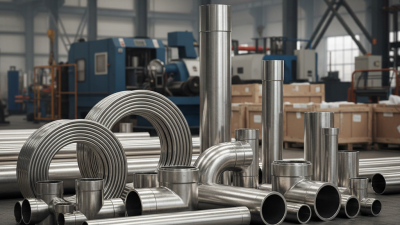
Customization can include cut lengths, end preparation, polishing, or protective packaging. Share drawings, operating conditions, and installation limits before production begins. This reduces avoidable changes, though it may not eliminate them. Ask for a sample or inspection plan when the finish or fit is critical. Clear answers, traceable documents, and realistic lead times are stronger signs of capability than broad promises.
ASTM A312/A312M TP304 chemical composition limits by mass (%) provide a practical reference for reviewing material test certificates.
Chromium and nickel are shown as specified ranges; the other elements are maximum limits. These are standard limits, not test results or a rating of any supplier. Confirm the applicable standard edition and request traceable mill test certificates when assessing quality-control capabilities.
When comparing ASTM 304 stainless steel pipe suppliers in China, look beyond the quoted price per ton. Ask whether the offer covers the same outside diameter, wall thickness, finish, and tolerance. A lower price may reflect a different specification, not better value. Check the material test certificate and confirm that its heat number matches the pipe markings. Small details matter.
Lead times need the same scrutiny. Request separate estimates for production, inspection, packing, and port handling. For example, a supplier may quote three weeks of production while excluding the time needed to bundle pipes, prepare export documents, and book vessel space. Confirm how delays are communicated and whether partial shipments are possible. Dates can shift.
Export support can reduce avoidable friction. Ask who prepares the packing list, commercial invoice, and certificate documents, and whether wooden supports or protective caps are included. Clarify the loading port, shipment terms, and who arranges transport. A useful supplier answers technical questions in writing and flags gaps before payment. Still, no checklist removes every risk; I would compare several detailed quotations, not just the cheapest one.
13295445693