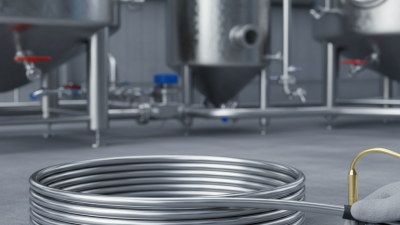
What is 310 Steel Coil Tube and its Applications?
The 310 Steel Coil Tube is a metallic marvel known for its exceptional properties. It is composed of a high chromium and nickel content, offering remarkable resistance to extreme temperatures and corrosion. This unique composition allows it to perform well in harsh environments. Many industries utilize the 310 Steel Coil Tube for applications such as furnace components and heat exchangers.
Manufacturers appreciate its durability and strength. However, sourcing quality 310 Steel Coil Tubes can sometimes be challenging. There are different grades, and not all suppliers provide the same quality. It is essential to assess each provider carefully. This ensures that the desired specifications are met. Potential buyers must weigh their options diligently.
In conclusion, the 310 Steel Coil Tube presents significant benefits. Yet, it poses challenges in quality assurance. Its applications are broad, making it a sought-after material. Users must remain aware of the complexities involved in its procurement and application.
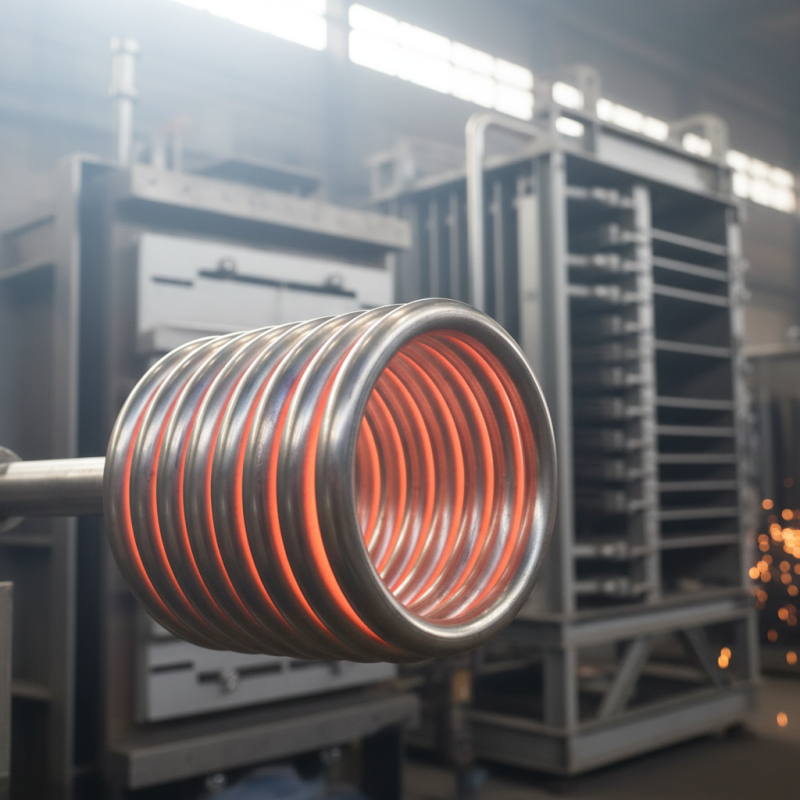
What is 310 Steel Coil Tube?
310 Steel Coil Tube is a type of stainless steel known for its high temperature and corrosion resistance. This alloy primarily contains chromium and nickel, which enhance its durability and performance. It is particularly suitable for harsh environments. Many industries rely on it for critical applications.
The design of the 310 Steel Coil Tube allows for efficient heat resistance. It can operate at elevated temperatures without losing its structural integrity. This makes it ideal for applications in chemical processing, power generation, and oil refining. Sometimes, people overlook its importance in high-temperature applications. Not using the right material can lead to failures or accidents.
In addition to practical applications, 310 Steel Coil Tubes require careful handling and installation. Inadequate preparation can cause issues later. Users must ensure they follow guidelines to maintain quality. While this material offers great advantages, improper use can negate its benefits. Reflection on best practices is essential for optimal performance.
What is 310 Steel Coil Tube and its Applications?
| Property |
Value |
| Material Type |
310 Stainless Steel |
| Chemical Composition |
C: 0.25%, Cr: 24-26%, Ni: 19-22% |
| Density |
7.9 g/cm³ |
| Melting Point |
1400 - 1450 °C |
| Applications |
Heat exchangers, furnaces, chemical plant equipment, and oil and gas applications. |
| Corrosion Resistance |
Excellent resistance to oxidation and corrosion. |
| Weldability |
Good weldability, suitable for many welding methods. |
Composition and Properties of 310 Steel
310 steel is a high-performance alloy known for its unique composition. It typically contains 25% chromium and 20% nickel. This combination enhances its resistance to oxidation and corrosion. There are various applications, especially in high-temperature environments.
The properties of 310 steel make it ideal for furnace parts, heat exchangers, and chemical processing equipment. It maintains strength and stability at elevated temperatures. The material can withstand continuous exposure to high heat, often reaching up to 1,200 degrees Celsius.
However, 310 steel is not without its drawbacks. Its price can be a hurdle for some projects. Moreover, welding it can be tricky, requiring expertise. Limited availability in certain regions may also pose challenges. Despite these imperfections, its advantages often outweigh the downsides in specific applications.
Key Manufacturing Processes for 310 Steel Coil Tubes
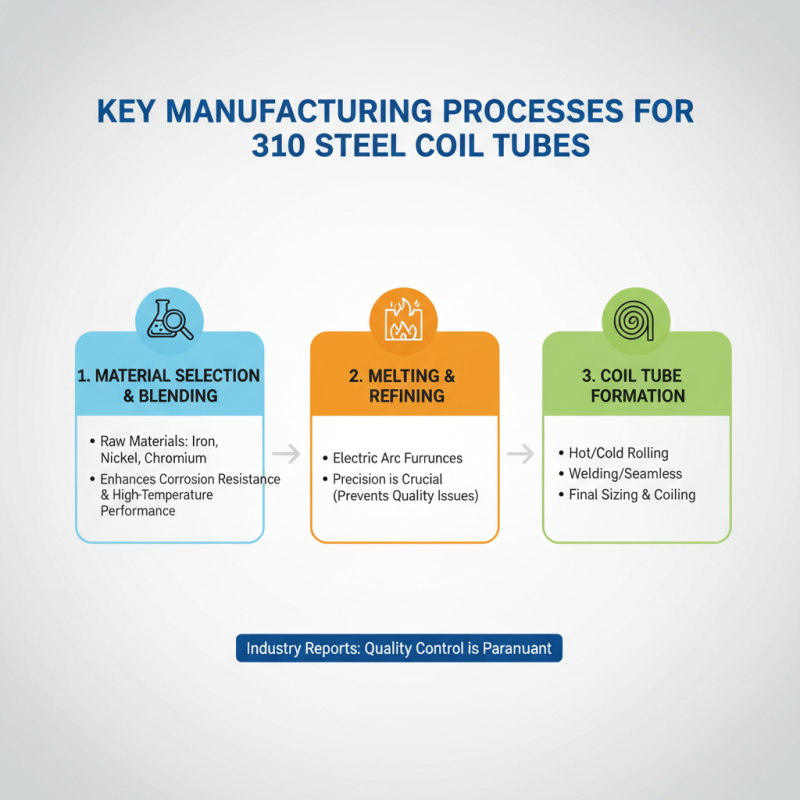
The manufacturing process of 310 steel coil tubes involves several critical steps. Initially, raw materials like iron, nickel, and chromium are carefully selected. According to industry reports, the proper blend enhances corrosion resistance and high-temperature performance. Melting and refining these materials occur in electric arc furnaces. This stage demands precision, as inconsistencies can lead to quality issues.
Next, hot rolling transforms the molten metal into thin coils. The rolled coils must maintain uniform thickness. This is vital for applications in high-temperature environments. Studies show that variations can weaken the final product, impacting performance. After rolling, the coils undergo annealing. This process relieves internal stresses and improves ductility.
Finally, cold working can be applied to enhance mechanical properties. However, achieving the desired finish can be tricky. It requires close monitoring to avoid overshooting specifications. Many manufacturers still grapple with tooling issues at this stage. Data indicates that even slight deviations can affect the structural integrity of the tubes. These challenges leave room for improvement in quality control practices.
Common Applications of 310 Steel Coil Tubes in Industry
310 steel coil tubes have gained popularity due to their excellent properties. They can withstand high temperatures. This makes them ideal for various industrial applications. One significant area of usage is in the aerospace sector. The tubes support critical structures that need to endure extreme conditions.
Another vital application lies in the chemical processing industry. Here, 310 steel coil tubes resist corrosion and oxidation. This durability is essential when handling aggressive chemicals. They are also used in heat exchangers. Their ability to transfer heat efficiently improves energy management.
In power generation, these tubes find a place in several systems. Boiler tubes made from 310 steel can handle high pressures. However, their production quality must always be monitored. Any deviation might affect performance and safety. Industries often overlook this aspect, leading to unexpected failures. Being aware of these factors is crucial for a successful operation.
Advantages of Using 310 Steel Coil Tubes for High-Temperature Environments
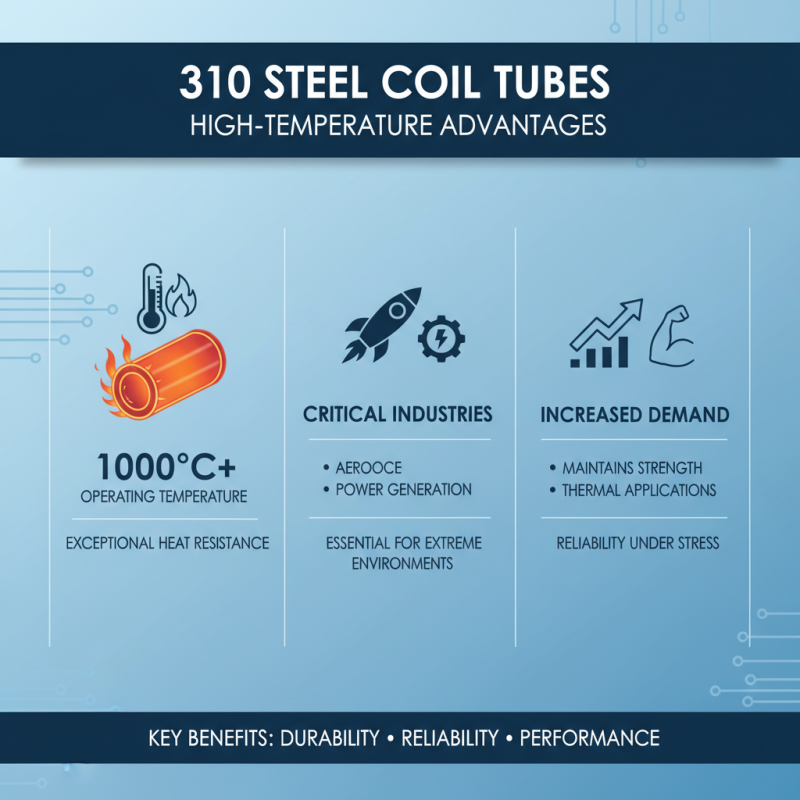
310 stainless steel coil tubes are known for their exceptional high-temperature resistance. They are suitable for environments that exceed 1000°C. This makes them essential in industries like aerospace and power generation. According to a recent industry report, demand for 310 steel tubing in thermal applications has increased significantly. This is due to its ability to maintain mechanical properties in extreme conditions.
One major advantage of 310 steel is its high chromium and nickel content. This composition enhances oxidation resistance. It also provides excellent strength to withstand thermal cycling. In practical applications, such as furnace components, 310 steel coils excel. They show less wear compared to lower-grade materials. However, choosing the right tube thickness is crucial. Too thin a wall can lead to premature failure.
It’s essential to consider the limitations of 310 steel. While it performs well at high temperatures, it may not be as cost-effective for all applications. Some industries might find better alternatives in specific scenarios. Regular test reports indicate varied performance under different conditions. Ensuring proper application based on reliable data is vital for success. Many businesses still overlook this, leading to suboptimal performance in critical infrastructure.